
Last updated November 16, 2026
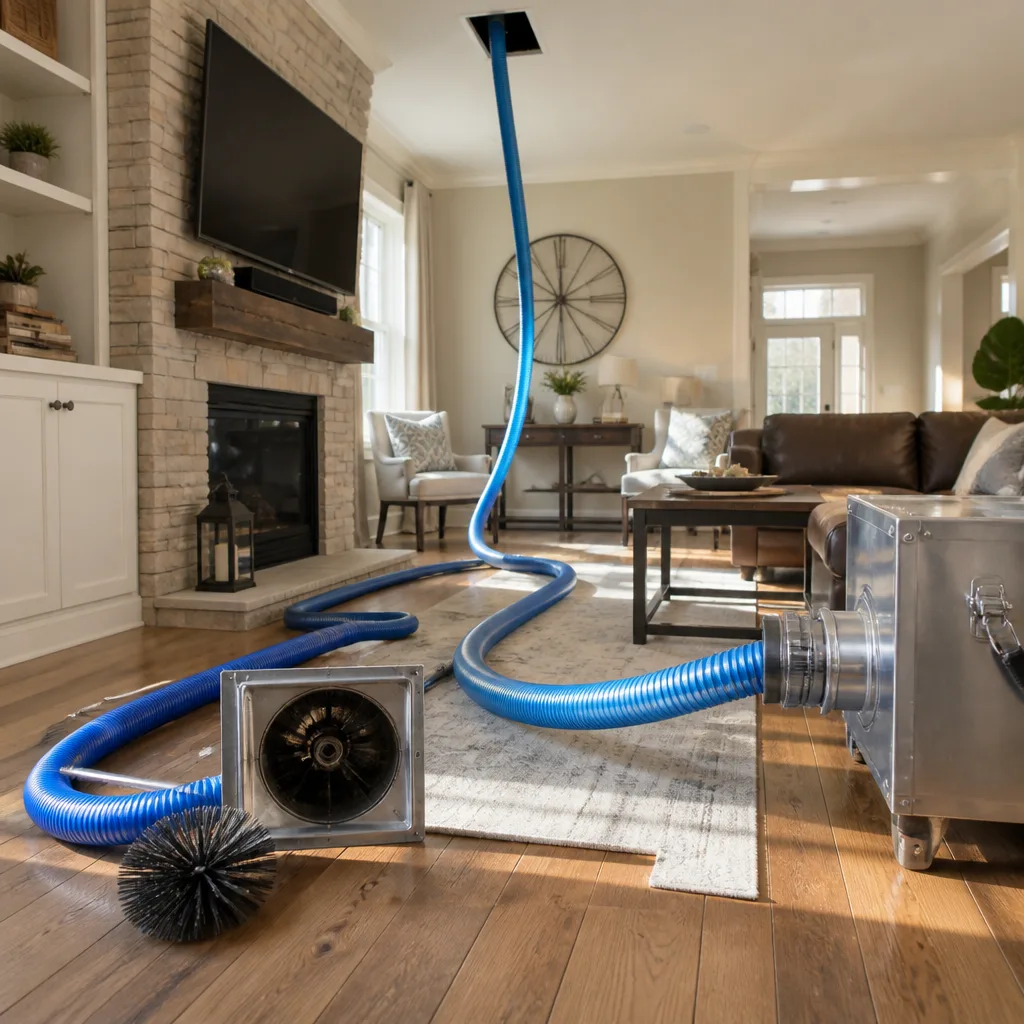 Whole-home duct cleaning
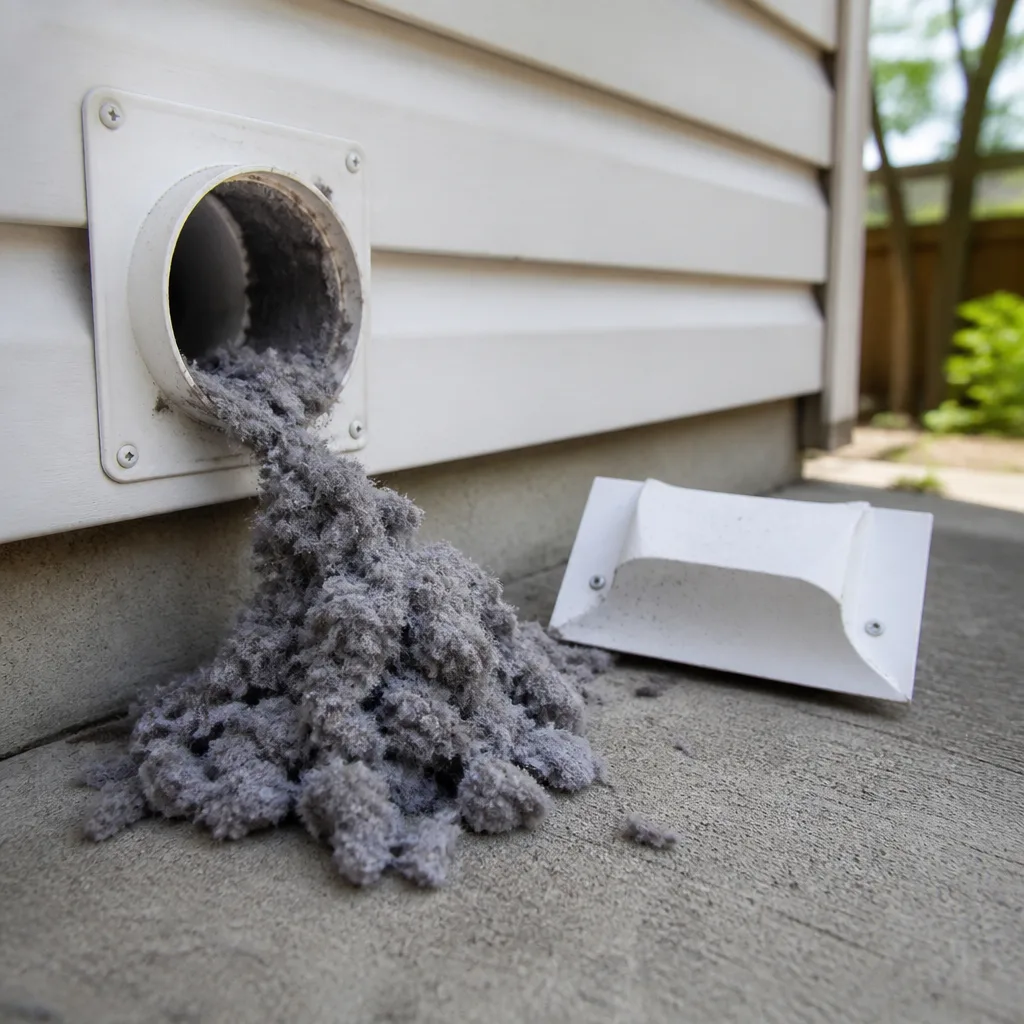 Dryer vent cleaning
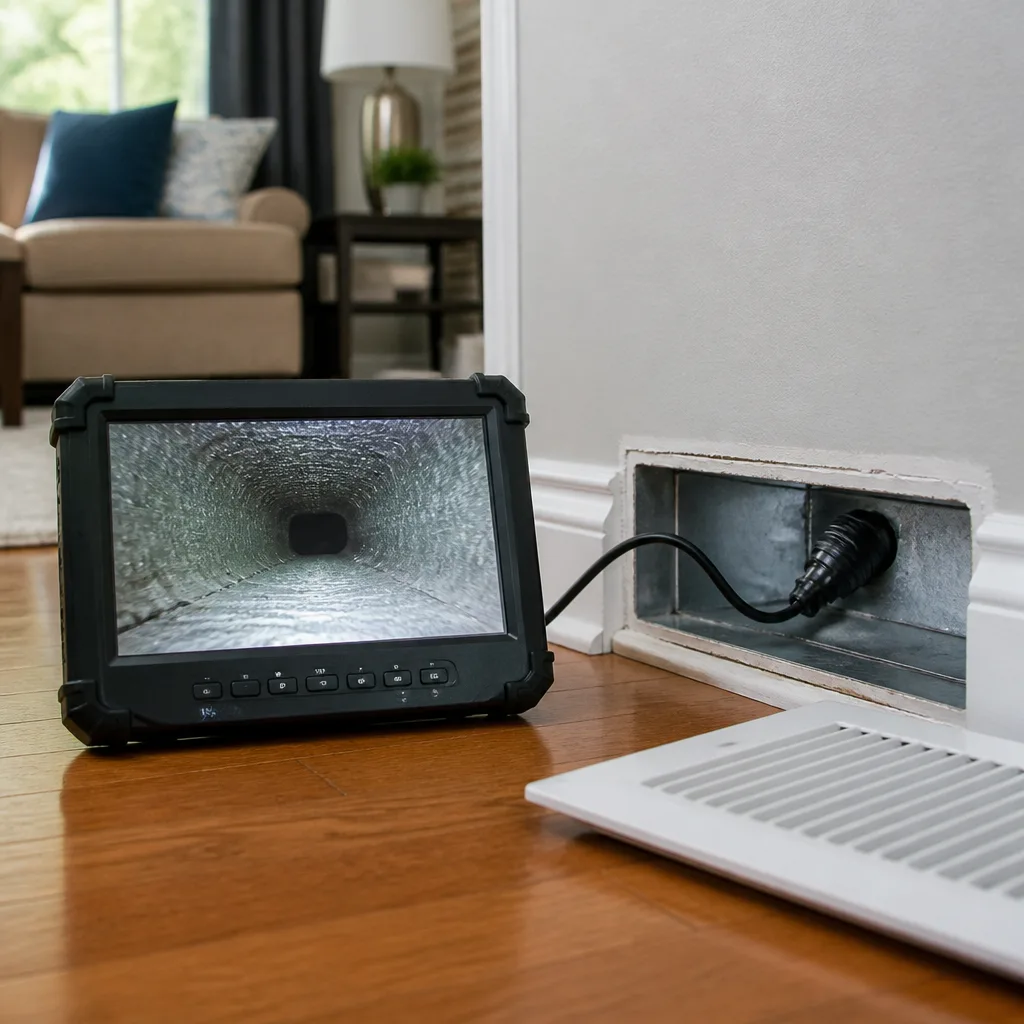 Camera inspection
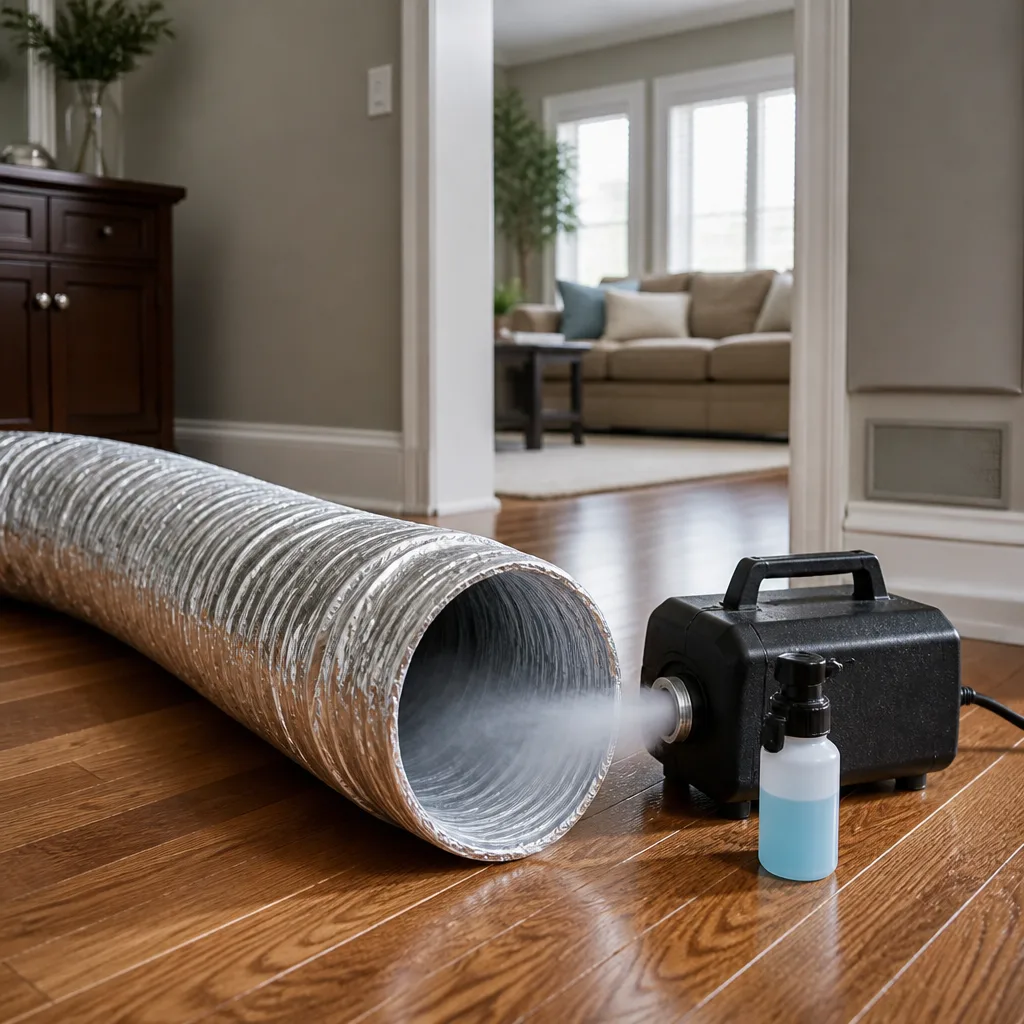 Sanitizing & deodorizing
Whole-system duct and dryer vent check with before-and-after photos - you see exactly what came out of your vents
That "$99 whole-house special" is a bait ad - the real number appears once they are in your hallway, or the "clean" is a shop-vac at the register. We photograph the inside of your ducts before and after instead.
How to Hire an Air Duct Cleaning Contractor in Centennial: A Step-by-Step Guide
Most people hire duct cleaning the way they hire a plumber: something breaks, they call someone, and they trust whoever shows up. That approach works fine for a burst pipe. It fails badly for duct cleaning, because the work happens inside your walls where you can’t see it, and the trade has a long history of operators who arrive with a shop vac, spend forty minutes, and hand you a bill for work that never really happened. The trap is almost always set before the technician arrives, in what the quote leaves out and what the phone rep won’t confirm. This guide walks you through the exact questions, documents and line items to check before you hire anyone in Centennial, so the person who shows up is equipped to do the job you’re paying for.
Quick Answer
To hire an air duct cleaning contractor in Centennial, ask three equipment questions before booking: whether they use a truck-mounted or portable vacuum with a real CFM rating, whether they run a rotary contact-cleaning system rather than compressed air alone, and whether they’ll do an on-site walk-through before quoting. Get general liability and workers’ comp documentation in writing, and read the quote for line items that separate supply from return and list the number of vents. A legitimate contractor will answer all of it without hesitation.
Styles & brands we work with
- Whole-home duct cleaning
- Dryer vent cleaning
- Camera inspection
- Sanitizing & deodorizing
Table of Contents
- Why Colorado’s Duct Cleaning Trade Is Largely Unregulated
- The Three Equipment Questions That Expose Underequipped Operators
- NADCA Membership and ACR Compliance: Baseline, Not a Selling Point
- How to Read a Duct Cleaning Quote Line by Line
- What a Legitimate Walk-Through Looks Like
- Colorado’s License Gap and the Insurance Documents to Request
- What Makes Duct Cleaning in Centennial Different
- Common Mistakes to Avoid
Why Colorado’s Duct Cleaning Trade Is Largely Unregulated
Here’s the fact that shapes everything else in this guide: Colorado does not issue a duct-cleaning-specific license. There is no state board that certifies duct cleaners the way it certifies electricians or plumbers. Anyone with a business filing, a phone number and a vacuum can advertise duct cleaning in Centennial, and no state agency will check whether their equipment can actually clean a residential duct system. That’s not a knock on the trade. It’s the reality of how this particular service is regulated, and it means your due diligence is the only quality filter in the process.
What this does to the market is predictable. Operators who can’t afford real equipment compete on price, because price is the only thing they can offer. A whole-house special that sounds too cheap to be true usually is, and the upcharge happens after the technician is standing in your hallway with hoses already unrolled. The homeowner feels trapped, the work is scoped to whatever gets them out the door, and the ducts are barely different when they leave.
The better operators work the opposite way. They scope the job before touching anything, quote a flat price per system, and use equipment that justifies the number. In our experience, the gap between a properly equipped job and a coupon job is not a matter of degree. It’s a completely different process.
None of this means you need to become a duct expert. You need three questions and the willingness to ask them on the phone, before anyone is scheduled. That’s the whole defense.
Key takeaway: Because Colorado doesn’t license duct cleaning specifically, your pre-hire questions are the only meaningful check on quality. Ask them before booking, not after the van pulls up.
The Three Equipment Questions That Expose Underequipped Operators
If you ask nothing else, ask these three. They’re specific enough that an underequipped operator can’t fake the answers, and any legitimate contractor will answer them in plain language.
1. Truck-mounted or portable vacuum, and what’s the CFM rating?
CFM means cubic feet per minute, and it’s the measure of how much air the vacuum moves. A real duct cleaning requires a vacuum strong enough to create negative pressure in the system and hold it there while the ducts are disturbed. Truck-mounted units are the benchmark because they generate far more airflow than a portable unit can. Some quality portable setups exist, but they need to be stated plainly, with a CFM number attached.
What you’re listening for: a clear answer with a number, not “we use the best equipment in the industry.” If the rep can’t tell you whether it’s truck-mounted or portable, they don’t know their own equipment well enough to clean your ducts with it.
2. Do you use a rotary contact-cleaning system, or compressed air only?
This is the single most important question in the list. Compressed air alone blows dust loose and stirs it into your airstream. It may not remove it from the duct walls, and it can redistribute debris through the house if the vacuum isn’t strong enough to capture it. A rotary contact-cleaning system physically brushes the interior surfaces of the ducts while the vacuum pulls the loosened debris away. The brush contacts the duct wall. Compressed air doesn’t.
What you’re listening for: a named rotary brush system. At Duct Cleaning Centennial, we run a Rotobrush rotary brush system on every air duct cleaning job, paired with Nikro HEPA-vacuum equipment for contained debris removal. You don’t need to demand those specific brands. You do need to confirm that a rotary brush is part of the process, because compressed air alone isn’t a full clean.
3. Will you do a walk-through before quoting?
A quote given over the phone without anyone seeing your system is a guess. Duct layouts vary enormously from house to house, and the number of vents, the length of runs and the access points all affect the scope. Covered in more detail below, but the short version: a contractor who skips the walk-through can’t accurately price the job, and the price will either be padded or short. Either way, you’re the one absorbing the difference.
Key takeaway: Ask about the vacuum, the rotary brush and the walk-through on the first call. Specific answers signal a contractor who knows their equipment. Vague answers signal the opposite.
NADCA Membership and ACR Compliance: Baseline, Not a Selling Point
The NADCA (National Air Duct Cleaners Association) publishes the ACR standard, short for Assessment, Cleaning and Restoration. It’s the widely accepted industry standard for how duct cleaning should be done: assessment first, cleaning second, restoration of any damaged components after. If a contractor belongs to NADCA and follows the ACR standard, they’re operating on a documented process rather than improvising.
Here’s the part most guides get wrong. NADCA membership and ACR compliance are the floor, not the ceiling. They tell you a contractor has agreed to a standard. They don’t tell you the contractor’s equipment can actually meet it, or that the crew on your job has the training to follow through. Plenty of member companies are excellent. Membership alone doesn’t prove it.
So what do you ask beyond the credential?
- Which equipment are they running? Rotobrush rotary systems and Nikro HEPA vacuums are the standard in professional residential work. Ask which and what CFM.
- What happens to the debris? A real HEPA-vacuum rig contains it and extracts it from the home. Ask where the debris goes and how it’s contained.
- What about air quality during and after? Ask whether they use air-scrubbing equipment. Operators who stock Abatement Technologies air-scrubbing units are built for IAQ-sensitive homes, and that’s a strong signal.
- What post-treatment do they apply? Guardsman protective products are used after a clean to help protect the duct surfaces. Ask what, if anything, gets applied.
- Do they work with existing air quality components? If your home already has Honeywell or Aprilaire air quality systems, ask how they’ll handle the components. A contractor who knows those brands can work around them without damaging them.
The point of asking beyond the credential is that NADCA membership tells you a contractor wants to be seen as legitimate. The equipment and process answers tell you whether they actually are.
How to Read a Duct Cleaning Quote Line by Line
A legitimate duct cleaning quote has line items. A vague quote has a number and maybe a word like “complete.” You want the former, because the line items are where the scope gets pinned down and where you catch an operator who intends to surprise you once the job is underway.
Line items that should appear on a real quote
- Supply and return sides treated separately. Supply ducts deliver conditioned air. Return ducts pull it back. They get cleaned differently and need to be quoted separately. A quote that says “all ducts” without splitting supply from return hasn’t been scoped.
- The number of vents. Every vent cleaned should be counted. A quote that says “whole house” without a vent count leaves the number open, and “open” is where upcharges hide.
- Main trunk access. The main trunk runs are the big rectangular ducts that feed the branches. Getting access to them takes more than snaking a hose into a vent. A real quote notes the access and how it’s handled.
- The rotary brush and vacuum setup being used. Name it. If they can’t write it down, ask why.
- Any repair findings. If the walk-through turned up disconnected joints, crushed flex runs or a damaged boot, those go on the quote. Duct repair is a separate line item, not folded into the cleaning price.
- A flat price for the system. One number, agreed before work starts. That’s the standard we hold ourselves to, and it’s what you should demand from anyone you hire.
Red-flag language that should make you pause
- “Complete whole-house clean, one low price” with no vent count.
- “We’ll assess once we’re inside” for anything beyond a walk-through.
- Any quote that includes a chemistry set of add-ons (sanitizers, sealants, “enzyme treatments”) without you asking.
- Phone quotes with no walk-through.
- A number dramatically lower than the rest. It’s not a deal. It’s a setup.
One more point on scope: keep the services narrow. A contractor who only does air duct cleaning, dryer vent work and duct repair is a duct specialist. A contractor who also does general HVAC maintenance, installation and mold work is spread across too many trades to be a specialist in any of them.
What a Legitimate Walk-Through Looks Like
The walk-through is the scoping visit. It happens before anyone unrolls a hose, and it’s the contractor’s chance to see what they’re actually cleaning. Skip it, and the quote is fiction. Here’s what a proper walk-through involves.
- Full round of the home to count vents. Every supply and every return gets counted and noted, room by room. You should see this happening, not hear about it later.
- Furnace and air handler inspection. The contractor should look at the equipment, not just the ducts. If the filter is clogged or the blower is packed, they need to know before they start.
- Access point identification. Where does the main trunk connect? Are there existing access panels, or do new ones need to be cut? How will the hose reach the far runs?
- Flex duct versus hard duct. Flexible duct and rigid metal duct require different handling. A walk-through that ignores the difference is a walk-through that will produce a surprise later.
- Visible damage flagged. Disconnected joints, collapsed runs, crushed elbows and pest evidence should be identified on the spot. If duct repair is needed, you should know before the cleaning quote is finalized.
- Air quality components checked. If you have a Honeywell or Aprilaire system in line, the technician should know how to work around it. If you don’t, the walk-through is the moment to talk about whether you need one.
- The written quote issued after, not before. The number you get should reflect what the walk-through actually found. A quote given before the walk-through is a marketing number. A quote given after is a scope.
If a contractor won’t walk the house, or offers a “phone special” with a walk-through “on arrival,” you’re not looking at a scoped job. You’re looking at a sales call.
Colorado’s License Gap and the Insurance Documents to Request
Since Colorado doesn’t license duct cleaning specifically, the accountability mechanism moves to insurance. That’s the paperwork that actually matters, and you should ask for it in writing before work begins, not on the day of the job.
- General liability insurance. This covers damage to your home during the work. A hose gets loose and cracks a duct or a technician knocks over something on the way through, and general liability is what handles it. Request a certificate of insurance in writing. A serious operator will send it without argument.
- Workers’ compensation insurance. This covers the technicians if they’re injured on the job. If a contractor doesn’t carry workers’ comp, and a technician gets hurt at your house, the exposure can shift toward you. Ask for proof in writing and don’t accept a verbal assurance.
- Business registration. A basic Secretary of State business filing doesn’t prove quality, but its absence is a red flag. It should be easy to verify.
- Written scope confirmation. The flat price per system, the vent count, the services included and any repair findings should all be in writing before the job is scheduled. That covers you if the invoice doesn’t match the handshake.
If any of these requests get resistance, or a contractor gets defensive when asked, take that as your answer. Real operators carry real insurance and can produce the documents. The ones who can’t are the ones you most need to avoid.
What Makes Duct Cleaning in Centennial Different
Centennial sits along the southern edge of the Denver metro, and the housing stock across the city runs from older ranch homes and split-levels built in the 1970s and 80s to newer construction on the eastern edge. That range matters for duct work because the duct systems are genuinely different. Older homes in areas like Cherry Knolls and Willow Creek were built with a mix of hard metal trunk lines and flex branch runs, and many of them have never had a proper cleaning. Newer neighborhoods tend to have longer, more complex duct runs, sometimes with mechanical rooms that make access trickier than it looks from the outside.
Colorado’s dry climate plays into this too. Low humidity raises airborne dust that the system pulls through the return side on every cycle. Add in cottonwood season and the dust that comes with the region’s winds, and the return ducts in particular can load up faster than homeowners expect. Duct cleaning in Centennial isn’t the same as duct cleaning in a humid coastal climate, and a contractor who’s worked this market knows the difference.
Centennial homeowners are also right to be cautious about what “duct cleaning” means in this city specifically. The metro market has no shortage of operators who advertise duct cleaning and show up with nothing more than a shop vac and a hose. Being an independent city also means no larger county department hovering over the trade. The evaluation is yours to do, which is exactly why this guide focuses on equipment and process first.
If you’re near the Centennial area and want a straight answer about your duct system, we’ll walk it with you. No chemistry set, no coupon, no surprise.
Other Signals Worth Checking Before You Book
Equipment and insurance are the core, but a handful of secondary signals tell you how a contractor operates. None of them replace the equipment questions, but together they round out the picture.
- Service scope. A shop that does three things well beats a shop that does fifteen things adequately. Duct cleaning, dryer vent and duct repair cover the full system without drifting into trades the crew doesn’t specialize in. Dryer vent work is worth its own look because a clogged dryer vent is a genuine fire risk and demands the same equipment standard, covered in dryer vent cleaning.
- Air quality component familiarity. If your home has an Aprilaire humidifier or a Honeywell air cleaner inline with the duct system, the contractor needs to know how to clean around it. A crew unfamiliar with the brands may damage or bypass the components.
- Post-clean treatment. A proper clean ends with attention to the surfaces. Guardsman protective products are used to protect duct interiors after the clean, and a contractor who carries them is thinking past the cleaning event.
- Proof of work. Ask whether they take before-and-after photos of your ducts. A real cleaning leaves visible evidence, and any contractor willing to show you is confident in the result.
- Walk-away vibes. If the sales rep pressures you to sign today, offers a phone-only special, or dodges the three equipment questions, that’s a signal you don’t need any more information to read.
You can also verify a contractor by asking for a couple of local references, though on residential duct cleaning that has limited value. Most homeowners who get a good clean don’t have a reason to rebook for several years, so the references can be thin on any legitimate operator. Weight equipment and insurance more heavily.
Common Mistakes to Avoid
- Booking before asking the equipment questions. Once the technician is in your hallway, the negotiation is already lost. Ask on the phone, before the appointment is scheduled.
- Falling for the phone-only special. A whole-house figure quoted without a walk-through is a marketing number, not a real price. It exists to get the technician in the door so the real number can be delivered after the hoses are out.
- Accepting “all ducts” as a scope. Without a vent count and split supply/return line items, the scope is undefined and any upcharge is on the table. Insist on specifics.
- Skipping the insurance request. Colorado doesn’t license duct cleaners, so insurance documentation is the accountability you actually have. Ask for general liability and workers’ comp in writing.
- Hiring a generalist HVAC contractor. Duct specialists have seen the configurations, know the access problems and run the right equipment. Generalists do it as a side job and it shows.
- Thinking “sanitizer” upgrades are part of the clean. If the quote includes a chemistry set you didn’t request, ask what problem it solves. If the answer is vague, it’s not part of the clean.
- Overlooking the dryer vent. A dryer vent isn’t a duct in the HVAC sense, but a clogged one is a fire risk, and cleaning it needs the same extraction standard. If a contractor bundles it cheap, ask what equipment they’re using on that side too.
See the difference
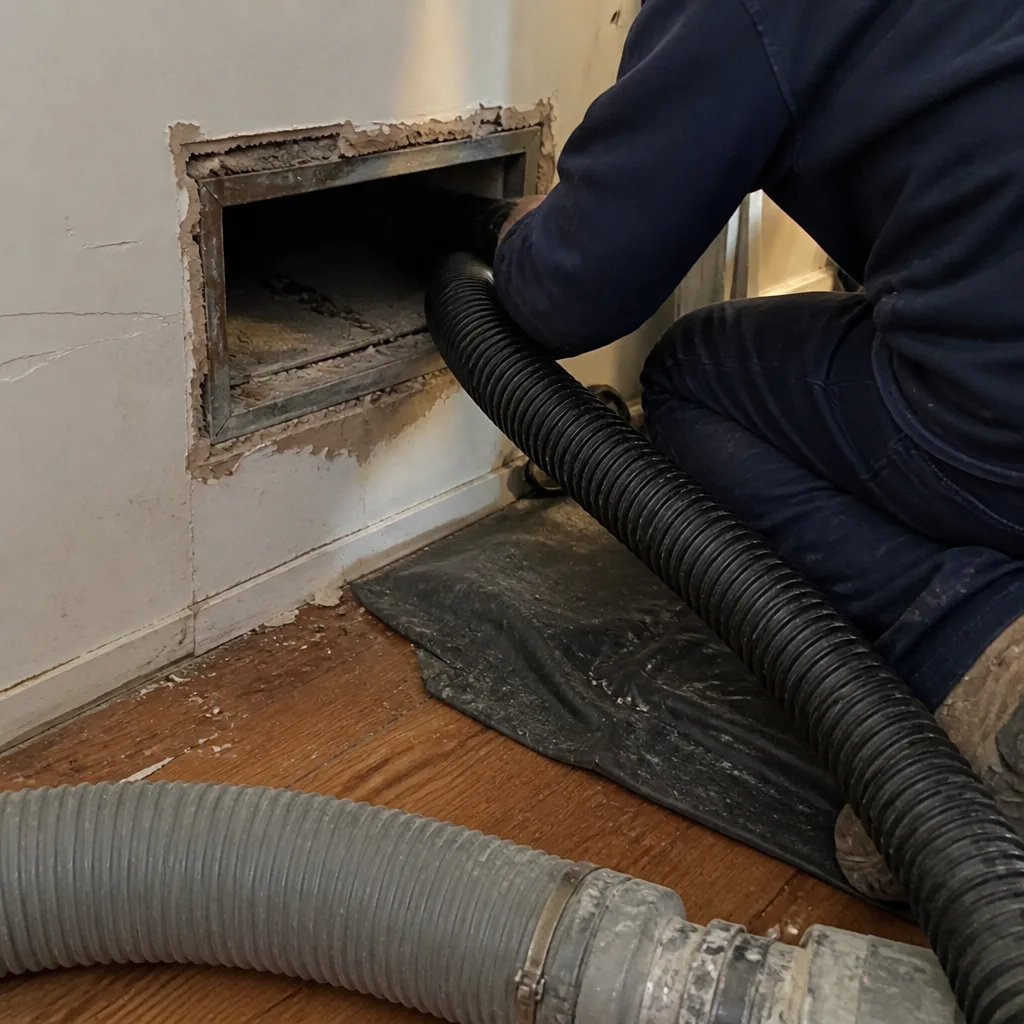 Before
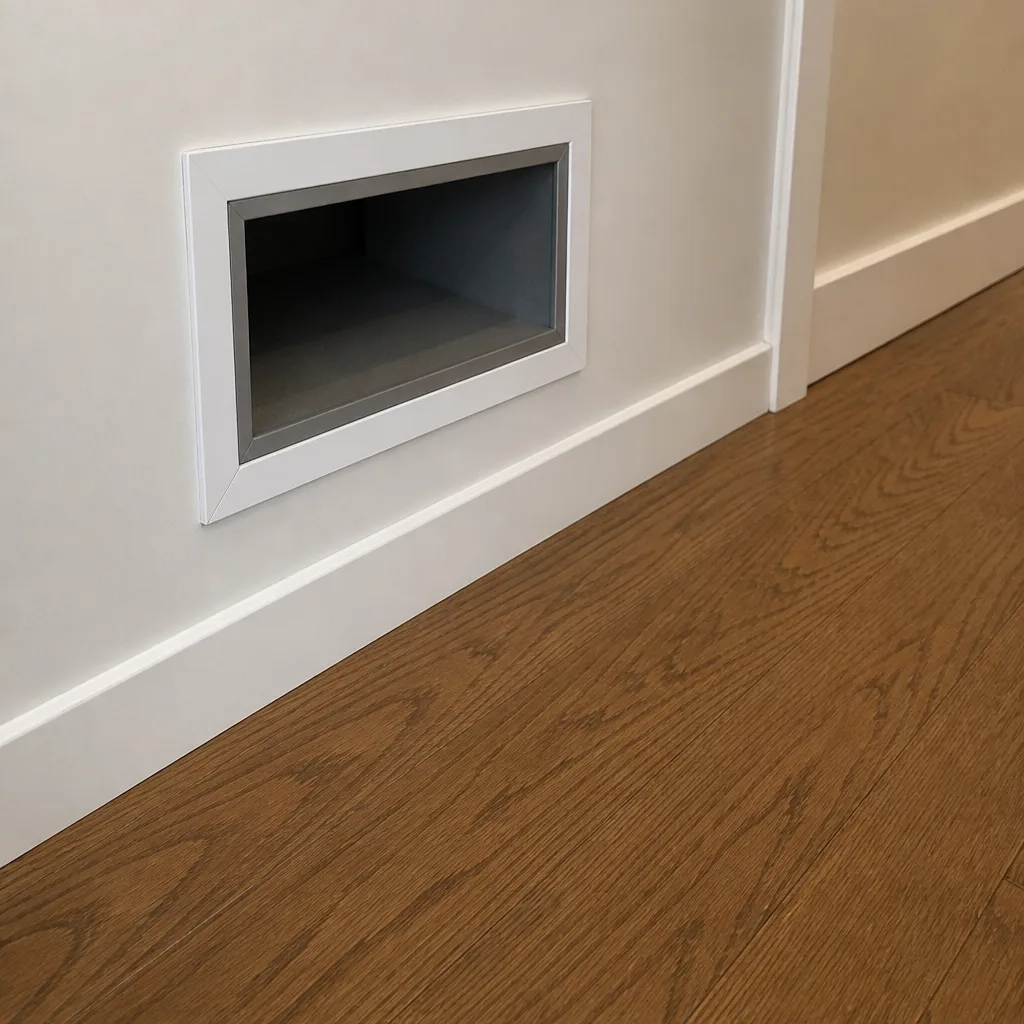 After
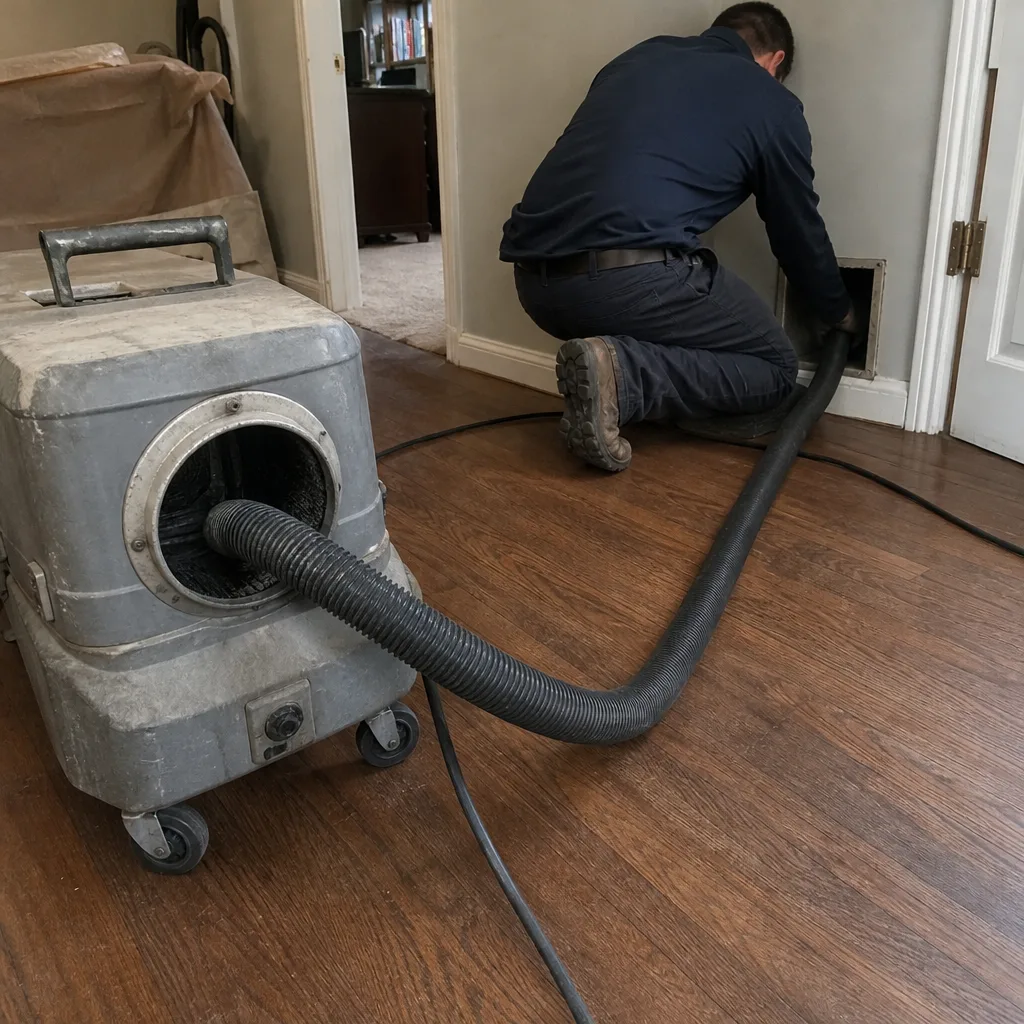 Before
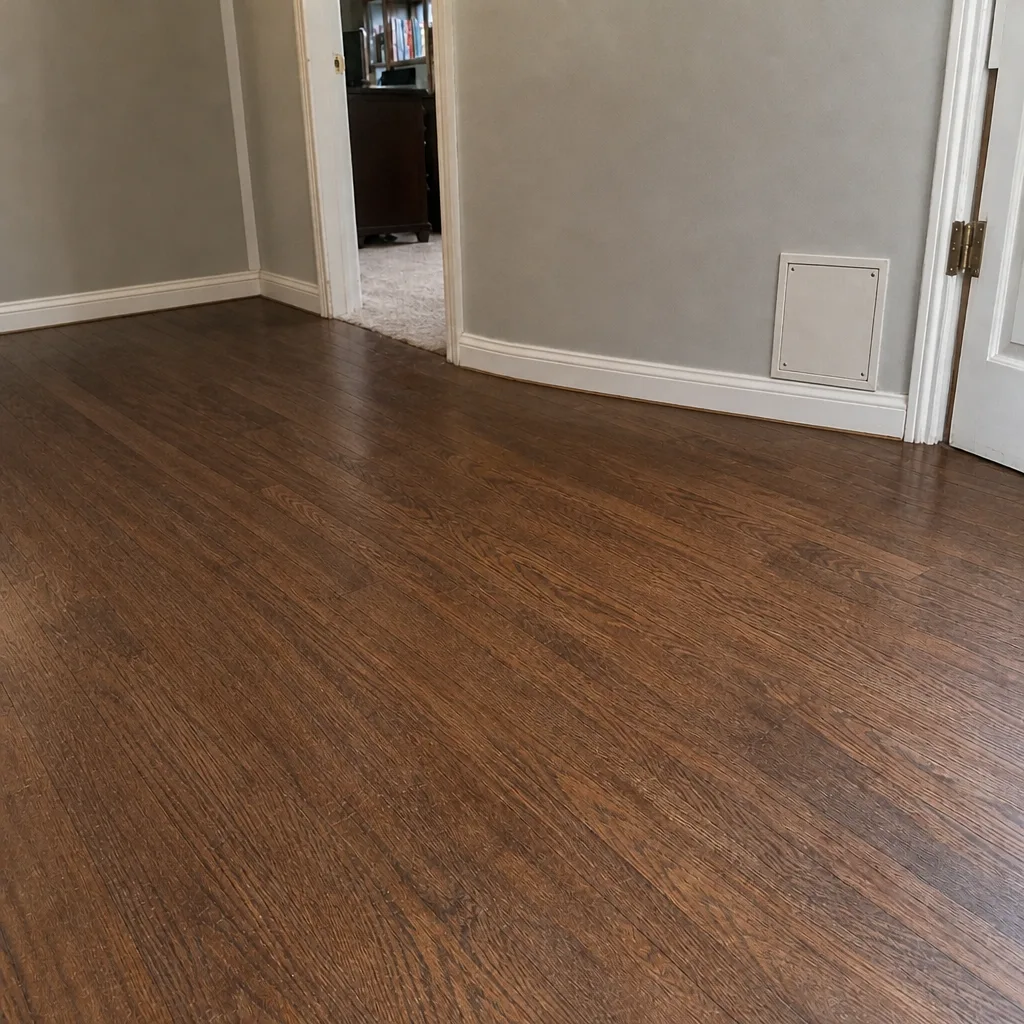 After
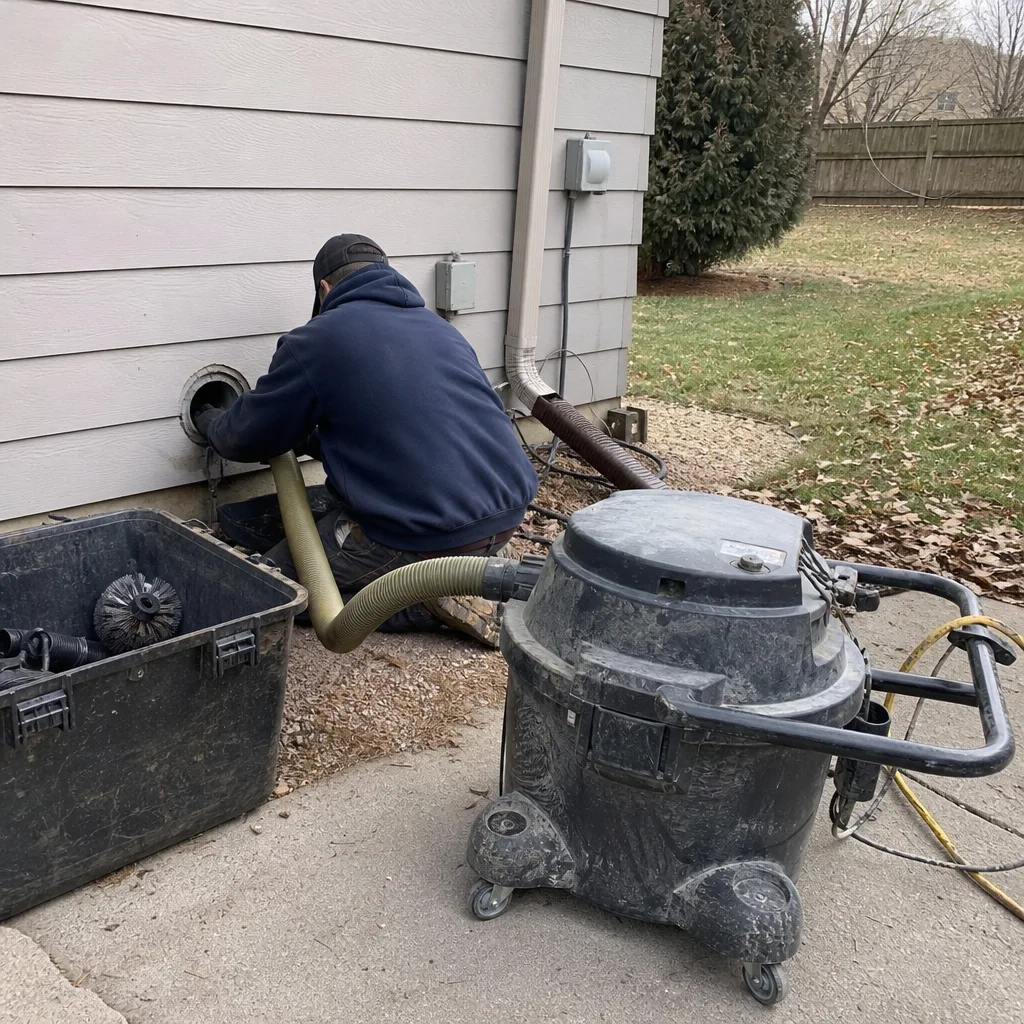 Before
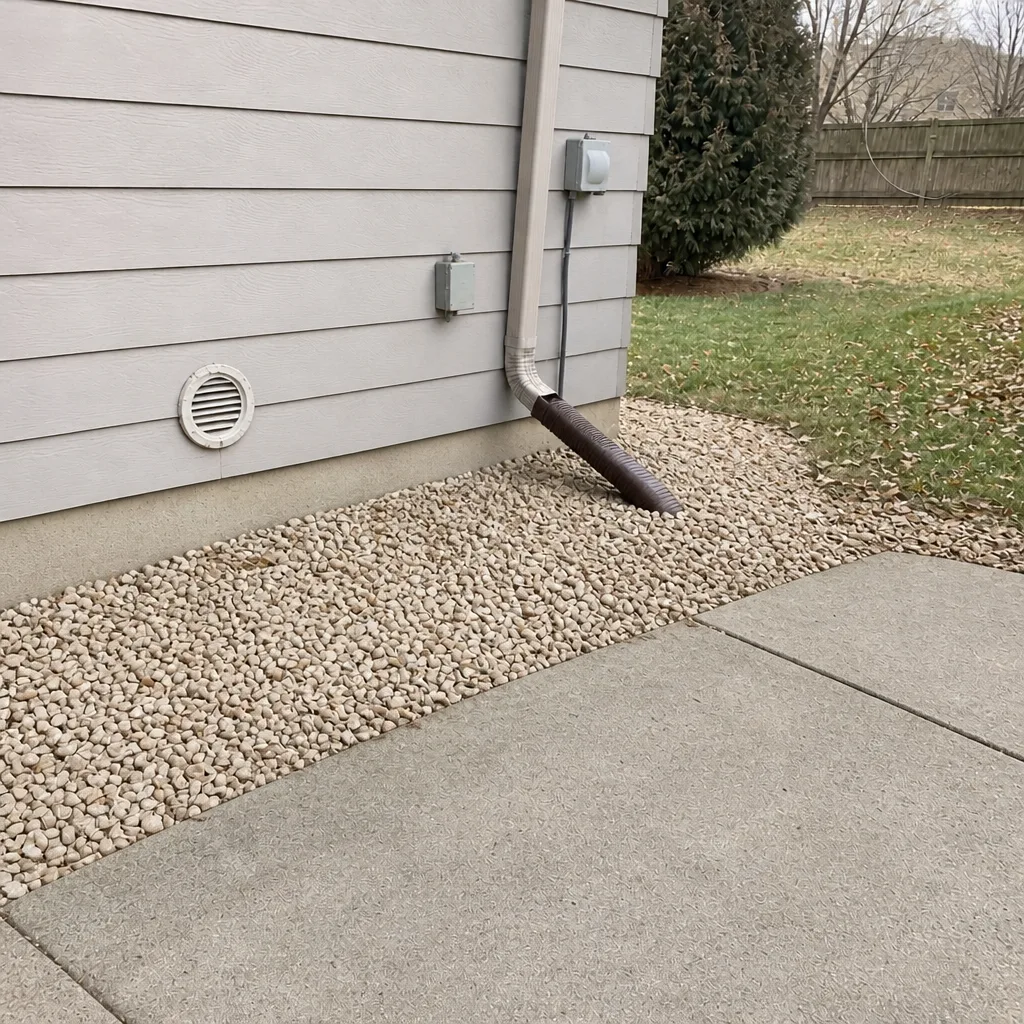 After
When to Call a Professional
Some duct problems are obvious and some aren’t. Visible dust blowing from the registers right after the furnace kicks on is a signal. So is a system that hasn’t had the ducts cleaned in five to seven years, a recent remodel that generated debris, or a noticeable musty smell that shows up when the fan runs. Repeated allergy flare-ups inside the house, without an obvious outdoor trigger, are another reason to have the ducts inspected. Crushed flex runs or disconnected joints you can see from a register also warrant a professional look, because those fall under duct repair, not just cleaning. And if your dryer takes two cycles to dry a load, that’s your cue to get the dryer vent checked before it becomes something worse. Duct Cleaning Centennial offers free estimates in Centennial, and the number is (888) 597-0329. We answer 24/7, with fast dispatch from 7am to 7pm, Sunday through Friday. Estimates are free, and the price is set per job by the written estimate.
Frequently Asked Questions
Pricing in Centennial is set per job, by a written estimate after a walk-through, because duct systems vary too much for a phone quote to be honest. A flat price per system, agreed before work starts, is standard in this trade for operators who walk the job first. Anyone quoting a whole-house figure over the phone without seeing the system is guessing, and that guess tends to move once the technician sees the house. Call (888) 597-0329 for an exact quote, and the estimate is free.
Cheap quotes are usually cheap because the work being scoped is smaller than what you think you’re buying. A “whole-house special” that doesn’t count vents and doesn’t split supply from return isn’t the same job as a properly scoped clean with a rotary brush system and a HEPA vacuum. The cheap number is often a starting point, and it becomes a bigger invoice once the technician is inside. Ask the three equipment questions and the cheap quote usually explains itself. Call (888) 597-0329 if you want to know what a properly scoped job looks like.
Ask for before-and-after photos of your own ducts. A real clean leaves visible evidence, and any operator running a Rotobrush rotary system paired with a Nikro HEPA vacuum can show the difference in the duct runs. If a contractor hesitates to provide proof, that’s your answer. A flat price per system with photo evidence on completion is the standard we hold. Call (888) 597-0329 for a free estimate and we’ll walk you through what proof of work looks like.
Most homes in Centennial land in the five-to-seven-year window for a full duct clean, though it depends on the house. Dry climate raises the load on the return side, and homes near construction or with pets tend to need it sooner. A walk-through will tell you more than a general rule. If it’s been longer than that and the system feels sluggish, it’s worth a look. Call (888) 597-0329 to schedule a free estimate.
Colorado doesn’t issue a duct-cleaning-specific license, so there’s no state credential to check. That’s why insurance documentation and equipment specifics matter more here than in licensed trades. Request general liability and workers’ comp in writing, and ask which vacuum, which rotary system and what CFM before booking. If a contractor dodges those questions, hire someone else. Call (888) 597-0329 for a free estimate from a crew that answers them.
Yes, provided the technician knows the components. Homes with Aprilaire or Honeywell air quality systems inline with the ductwork need a crew that knows those brands well enough to clean around them without damage. That’s part of the reason we work with those systems and stock Abatement Technologies air-scrubbing capability for IAQ-sensitive homes. If the contractor can’t identify your system on the walk-through, they shouldn’t be cleaning around it. Call (888) 597-0329 to talk through your setup. We answer 24/7, with fast dispatch from 7am to 7pm.
The Bottom Line
Hiring a duct cleaner in Centennial comes down to three things: the equipment questions you ask before booking, the documents you request in writing, and the walk-through that happens before the quote. Colorado’s trade is largely unregulated at the licensing level, which is uncomfortable but also predictable. The upside is that a scam is easy to spot once you know what to look for, and legitimate operators are happy to answer every question this guide raised. Rotary brush systems, HEPA vacuums, real insurance paperwork, a scoped quote and a pre-work walk-through are all baseline. Anything less, walk away. Call (888) 597-0329 for a free estimate and get a straight answer on your duct system.
If you’re still comparing options and want to understand what a properly equipped duct cleaning in Centennial job actually involves, we’re glad to walk it with you. Our technicians have up to 10 years of experience, we hold to one flat price per system agreed before work starts, and we provide before-and-after photos of your own ducts. Call (888) 597-0329 for a free estimate. We answer 24/7. Fast dispatch from 7am to 7pm, Sunday through Friday.
Written by the team at Duct Cleaning Centennial.