
Last updated November 16, 2026
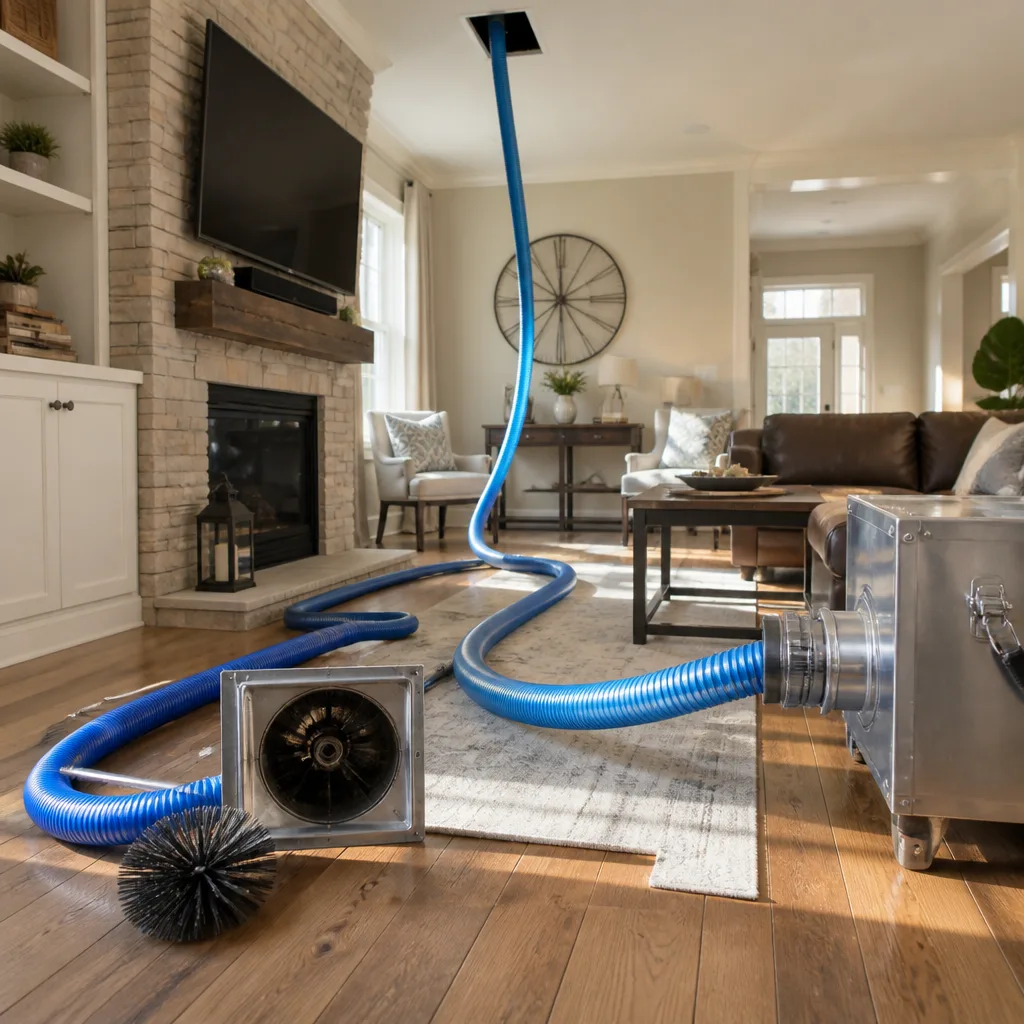 Whole-home duct cleaning
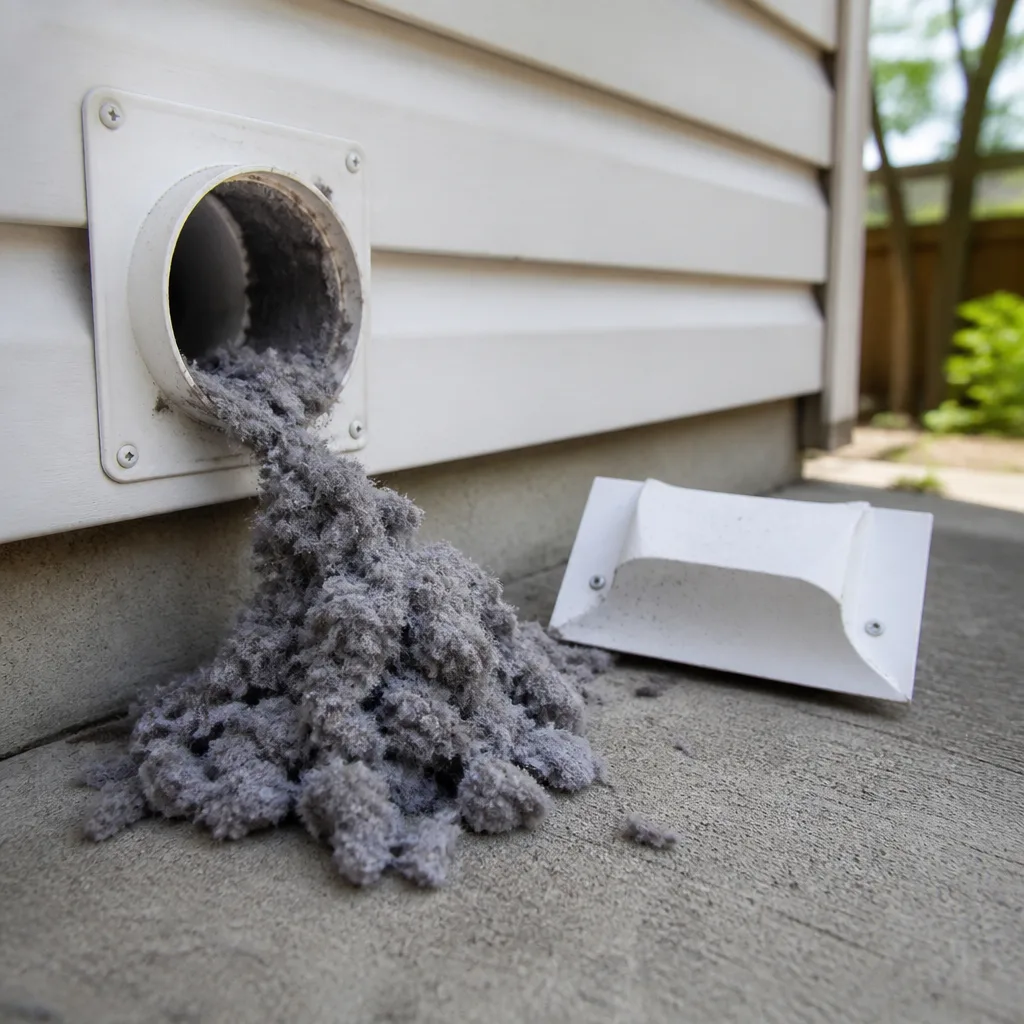 Dryer vent cleaning
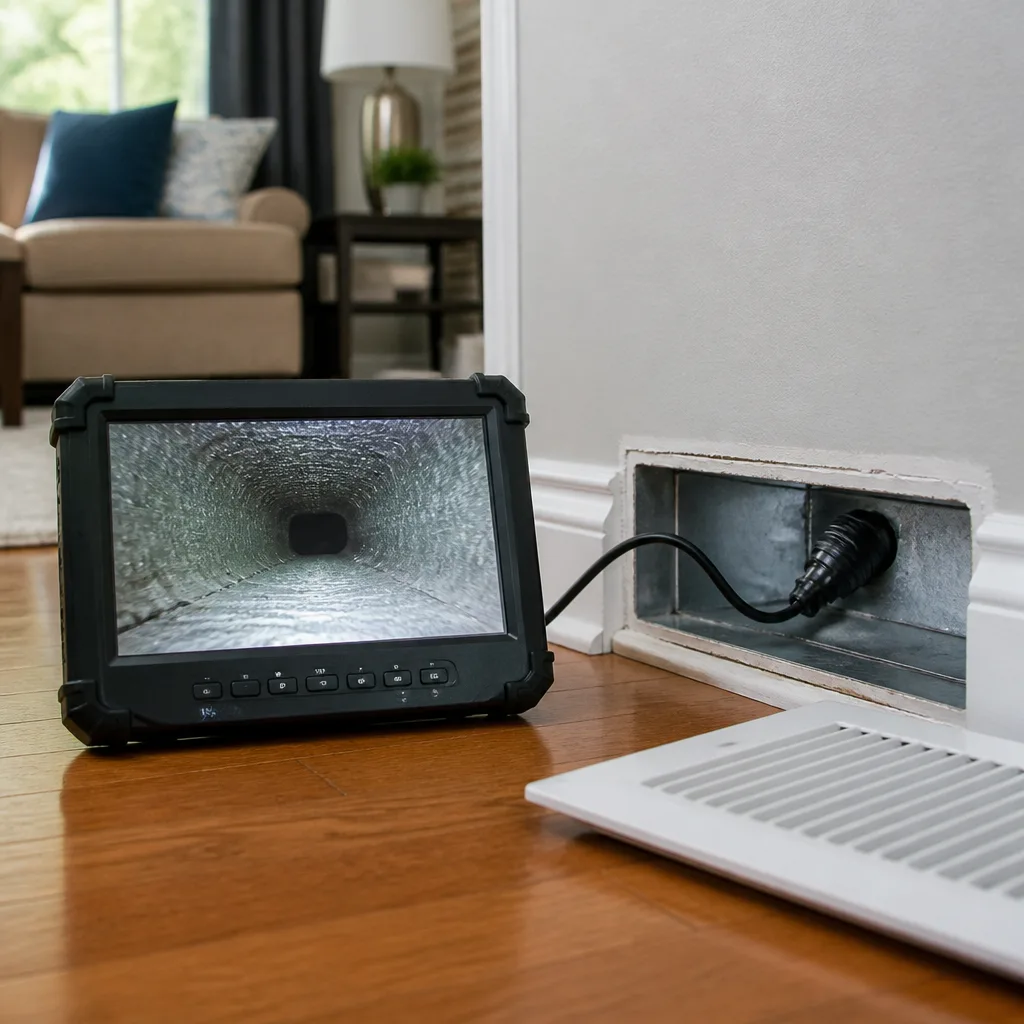 Camera inspection
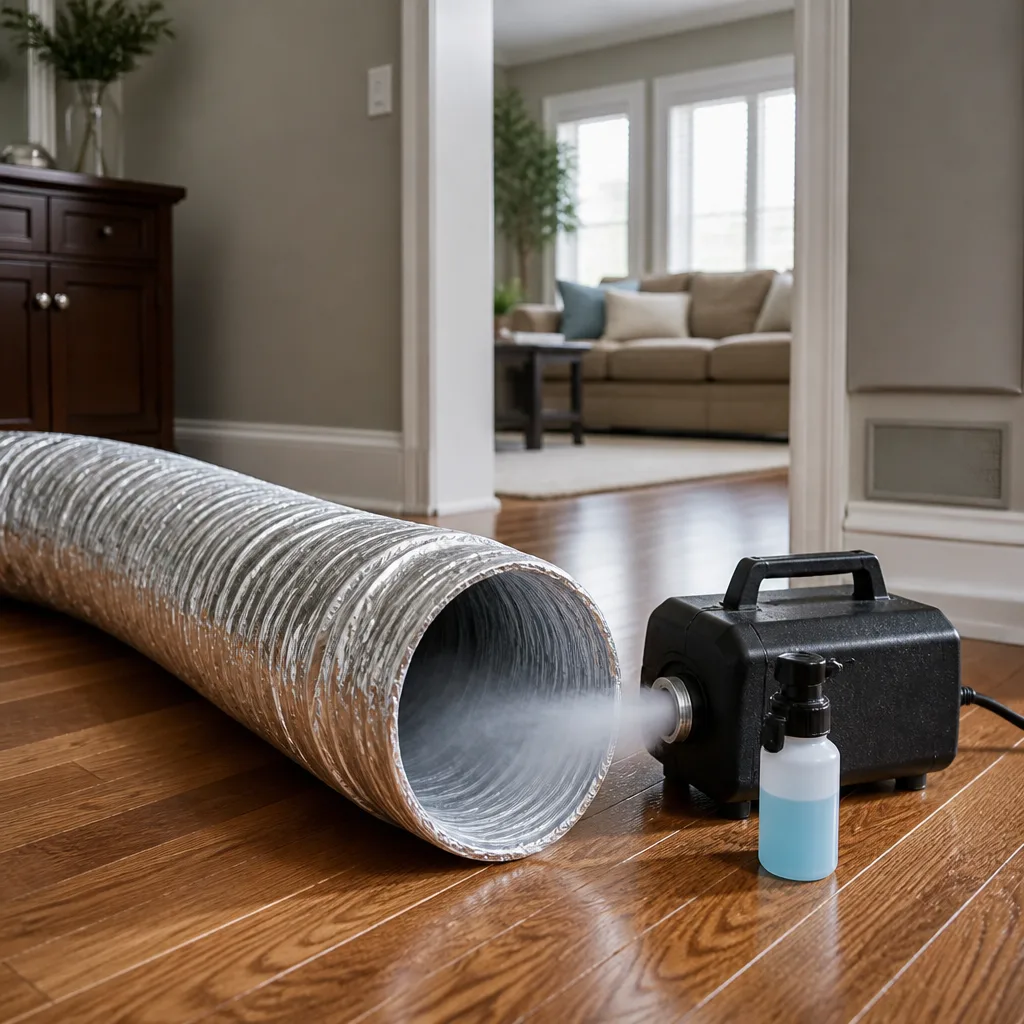 Sanitizing & deodorizing
Whole-system duct and dryer vent check with before-and-after photos - you see exactly what came out of your vents
That "$99 whole-house special" is a bait ad - the real number appears once they are in your hallway, or the "clean" is a shop-vac at the register. We photograph the inside of your ducts before and after instead.
Seasonal Air Duct Cleaning Care for Centennial: Year-Round Homeowner’s Guide
Scheduling duct cleaning in January is one of the least effective times for most Centennial homes. By then the system has already pushed winter air for months, and the debris that settled during fall switchover has had time to compact against duct walls. Most homeowners pick a date by convenience rather than by what’s actually collecting inside the system, and that timing error costs them real airflow. This guide walks through what each Centennial season deposits in your ducts, which cleaning window delivers the most return, and how to time dryer vent work so it lines up with your laundry load.
Quick Answer
For most Centennial households, late spring is the highest-ROI window for air duct cleaning – after the pollen peak and before Front Range wildfire season. A second critical window is fall, when you clean the return side before the first heating cycle and clear the dryer vent before cold-weather laundry loads ramp up. A single arbitrarily scheduled annual cleaning misses both, which is why timing matters as much as the cleaning itself.
Styles & brands we work with
- Whole-home duct cleaning
- Dryer vent cleaning
- Camera inspection
- Sanitizing & deodorizing
Table of Contents
- What Each Centennial Season Deposits in Your Ducts
- Why Late Spring Is the Highest-ROI Cleaning Window
- Wildfire Smoke and Red Flag Days: What Happens Inside Your Ducts
- The Fall HVAC Switchover Checklist
- Dryer Vent Timing: Why Fall Is the Critical Window
- Winter Dry Air, Static, and Dander Concentration
- What a Proper Cleaning Actually Involves
- How to Time Your Duct Cleaning Around Your Calendar
What Each Centennial Season Deposits in Your Ducts
Centennial sits in the Front Range corridor, which means your duct system sees four distinctly different contamination cycles rather than one steady accumulation. Treating all four as the same load is where most cleaning strategies go wrong. Here’s what actually builds up across the year.
Spring: Pollen and Construction Dust
Spring along the Front Range is a pollen drop. Cottonwood, ash, and elm push fine particulate across the Denver metro, and every open-window afternoon pulls some of it into the return side. Centennial’s steady new-home and remodel activity around the Centennial Airport corridor adds drywall dust, sawdust, and concrete particulate to the mix. Both settle on the return-side duct walls and in the trunk transitions where velocity drops.
Summer: Wildfire Particulate
June through September on the Front Range brings Red Flag days and smoke events from regional fires. When the wind pushes smoke into the metro, your HVAC system pulls that fine ash and volatile organic compounds through the filter and into the return plenum. Even with a good filter, some particulate reaches the duct walls and settles in the elbows. That’s the summer deposit.
Fall: Switchover Dust and the First Heat Cycle
The HVAC switchover is the most overlooked contamination event of the year. When the furnace fires for the first time in months, it burns off summer dust and pushes it through the supply side. Meanwhile, the return side still holds spring and summer accumulation. If you don’t clean before the first heat cycle, you season the whole system with last season’s debris.
Winter: Dead Skin, Dander, and Dry-Air Concentration
Heating season is when the house closes up. Windows stay shut from November through March, and the system recirculates whatever enters. Dead skin cells, pet dander, and fine dust concentrate in the return trunk. Low indoor humidity makes the particulate lighter, so more of it stays airborne and cycles through your filter repeatedly. Winter isn’t a contamination source so much as a concentration window – but it’s the season when that accumulation is most noticeable in the air.
Every area of Centennial sees these four cycles, but the balance shifts with local geography. Homes closer to the Cherry Creek corridor and open parkways take more pollen. Homes near busy arterials like Arapahoe Road take more road grit. The seasonal pattern is the same; the load is not.
Why Late Spring Is the Highest-ROI Cleaning Window
Late May and early June – after the pollen peak and before Front Range wildfire season peaks – is the highest-return air duct cleaning window for most Centennial homes. The reasoning is simple: you’re removing spring’s accumulation before summer adds wildfire particulate on top of it, and you’re restoring airflow before the first heavy cooling cycle drives the system at full load.
Compare that with the two timing patterns we see most often:
- January cleaning: clears winter concentration but leaves the system running with fresh spring pollen that lands a few months later with nothing to catch it.
- September cleaning: clears summer wildfire debris but arrives after the cooling season has already run with the load, and the fall switchover dump follows within weeks.
Late spring is the schedule that gives you the longest clean interval. If you clean in late May, the system runs the entire cooling season – peak airflow demand – on clean ducts with a fresh, well-sealed enclosure. By the time wildfire smoke hits, you’ve already removed the substrate that fine ash clings to. And by fall, the accumulation is one season deep, not three.
The Airflow Argument
Buildup on return duct walls reduces the effective cross-section of the duct. That increases static pressure in the system, which forces the blower to work harder to move the same air volume. Cleaning late spring restores the return duct to full cross-section right before the cooling season, when airflow demand peaks. It’s the same cleaning at a better time. Our technicians have up to 10 years of experience reading static pressure signals and airflow behavior, and they’ll tell you the same thing: ventilation timing produces as much return as ventilation quality.
What About Homes With Pets or Allergies?
Homes with pets, allergy-sensitive residents, or occupants with respiratory conditions often need a second cleaning window in fall. Late spring and early fall together cover the year. For most other Centennial households, one well-timed cleaning in late spring is the schedule that makes sense. For more on what a full cleaning covers, see our page on air duct cleaning.
Wildfire Smoke and Red Flag Days: What Happens Inside Your Ducts
Red Flag days on the Front Range are a regular summer fixture, and each one pulls fine smoke particulate into your return ducts unless you’re running the system fully closed with a well-sealed filter housing. Smoke particulate is fine enough to pass through most standard filters and cling to duct walls. It also carries odor compounds that deposit alongside the ash.
This is where a homeowner’s instinct and the physics genuinely align: if the air smells smoky inside during a Red Flag event, some of it is reaching the duct walls.
What Actually Helps During a Smoke Event
- Run the system on fan-only with a fresh filter. Continuous fan circulation with a good filter pulls smoke out of the room air efficiently – but only if the filter housing is sealed and the filter is fresh.
- Do not open windows during Red Flag days. This is the obvious one, but it matters because every open-window hour pulls smoke directly into the return side.
- After the smoke clears, inspect the return side. Fine ash deposits visibly on the return duct interior and on the blower wheel. If film buildup is present, cleaning removes it before the winter months cycle it back into the air.
The Abatement Technologies Angle
For homes where air quality is genuinely a health issue – allergy-sensitive residents, asthmatic occupants, or homes in the path of regional smoke events – we use Abatement Technologies air-scrubbing equipment alongside the standard Rotobrush and Nikro systems. That’s a meaningful step up from a basic clean-and-leave visit. It’s the right tool for homes where air quality isn’t optional.
How Often for Smoke-Exposed Homes
Homes that see multiple Red Flag events per season often benefit from a second air duct cleaning in early fall to clear the summer deposits before the heating season. A second cleaning in a smoke-heavy year is not over-cleaning. It’s keeping the system clean at the contaminant load the actual climate produces.
The Fall HVAC Switchover Checklist
The first heat cycle of the year is when duct condition matters most. Before the furnace fires, walk the system with a technician and verify these points in order. This is the checklist we run before the heating season in Centennial homes.
Before the First Heat Cycle
- Check the return-side buildup. Return trunks, transitions, and blower compartment interiors should be free of visible film and settled dust. Film on the return mouth is a signal that duct cleaning is overdue.
- Verify the filter housing seal. A loose or torn housing seal lets unfiltered air bypass the filter entirely. That’s a common source of return-side dust in older Centennial homes.
- Inspect heat exchanger proximity for combustion safety. On forced-air gas furnaces, the supply plenum sits adjacent to the heat exchanger. Ask a licensed HVAC technician to confirm the heat exchanger is intact before driving the system through a season. Small cracks can allow combustion byproducts into the supply side, and that’s a gas-safety issue, not a duct-cleaning issue.
- Verify the supply registers clear. Dampers should move freely, and registers should open fully. Loose registers can whistle or leak conditioned air into the wall cavity.
- Inspect for pest intrusion. Rats and mice enter duct runs through exterior penetrations. A visible chew mark or nesting material in the return trunk is a repair job before it’s a cleaning job.
- Check the dryer vent as well. Fall switchover is the right moment to do the dryer vent – see the next section for why.
What the Switchover Actually Reveals
In our experience, the fall switchover is the diagnostic window that tells you the most about the state of the system. The first heat cycle pushes any dust load on the return side into the supply side, so if you have a buildup problem, it announces itself to the house through the first hot-air smell of the season. That burn-off smell is the residual dust load. A clean system produces almost none.
Dryer Vent Timing: Why Fall Is the Critical Window
Dryer vent cleaning is a duct-side service that most homeowners leave to memory, which is why it gets skipped. Fall is the critical window for it, and the reasons are practical:
- Heavier laundry cycles begin in November. Winter means more laundry loads, more heavy jackets, more blankets, and more back-to-back drying cycles. Lint accumulates faster.
- Cold-weather lint compression. Lint exiting a warm dryer into a cold vent run condenses and compacts faster. The lint layer that forms in cold-weather vent runs is denser than the summer lint layer.
- The safety margin narrows. A partially clogged dryer vent in fall becomes a fully clogged vent by January if left alone. Clogged dryer vents are the recognized fire hazard in residential laundry systems.
What Gets Checked in a Proper Dryer Vent Cleaning
- Full-run extraction. The entire vent run from the dryer connection to the exterior termination should be cleared with an extraction tool – not just the visible lint trap and hose.
- Termination check. The exterior damper should open freely and seal well. A damaged termination flap lets in cold air and pests.
- Run-length verification. Long vent runs with multiple elbows hold more lint. A short, straight run cleans faster and stays cleaner longer than a long run with elbows.
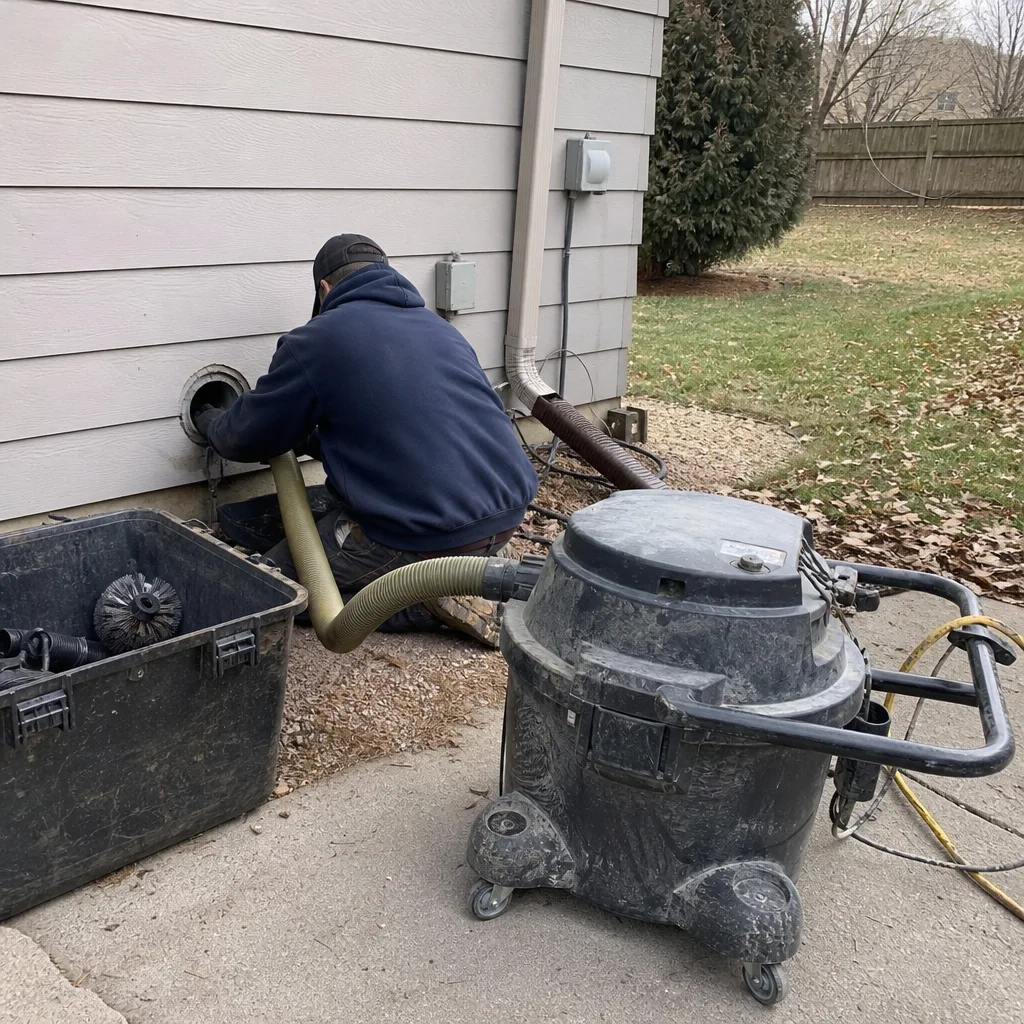
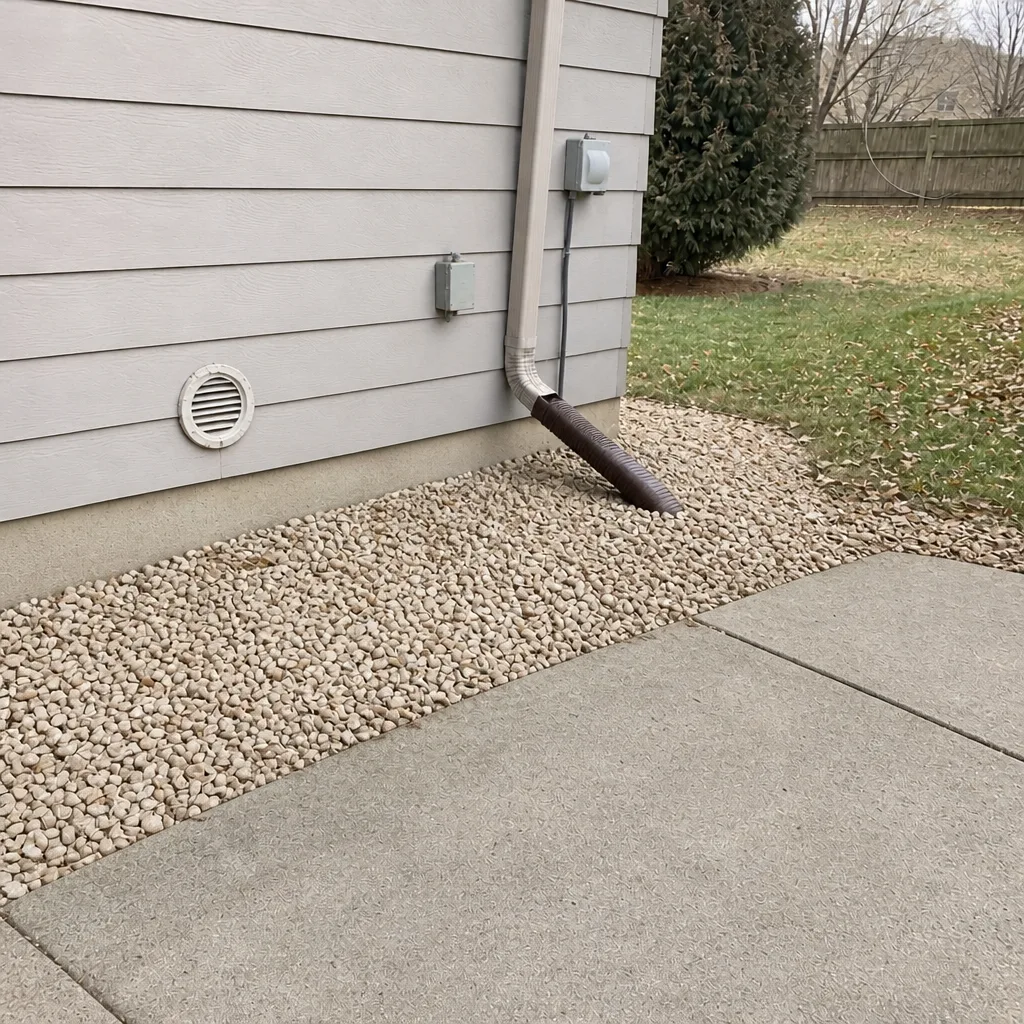
- Visual confirmation with photos. A proper dryer vent cleaning produces a before-and-after recorded image of the extraction – not just a “done” report.
If you’re booking a fall duct cleaning, booking dryer vent cleaning on the same visit makes sense. It’s the same equipment truck and the same specialist scope. Our three-service focus – air duct cleaning, dryer vent cleaning, and duct repair – means the technician who walks into your home for the air ducts is the same specialist qualified on the dryer vent and any repair that turns up along the way.
Winter Dry Air, Static, and Dander Concentration
Winter is when the recirculating system shows its true load. Windows close, humidification drops, and the entire house air volume cycles through the return ducts repeatedly. What gets concentrated isn’t new contamination – it’s everything the system has been carrying since late spring.
What to Watch for in Winter
- Static on light switches and door handles. Low indoor humidity is the direct cause – but the sensation of static in a ducted home is also an indicator that fine dust is airborne in the system, not settled on duct walls.
- Whitish dust on dark surfaces near supply registers. Fine particulate from the supply side settling out onto horizontal surfaces is a visible signal.
- Increased allergy or sinus symptoms in winter. Dead skin, dander, and winter dust concentration in a sealed house typically peak early January. If symptoms peak when the house closes, the duct side is worth checking.
- Dryer loads taking longer than usual. A partially clogged vent from fall lint compression slows drying time. If your towels take two cycles in January, the vent is overdue.
How Winter Cleaning Fits the Schedule
Winter cleaning is generally a corrective cleaning, not a preventive one. If you clean on the recommended late-spring schedule and did a fall switchover check, winter is the season the system should still be running clean. The exception is homes that saw multiple wildfire events, added a pet mid-year, or skipped the fall check. For those homes, a corrective winter cleaning restores the system before the concentration window closes in spring.
The Ambient Air Quality Systems
If your home already runs Aprilaire or Honeywell air quality components – humidifiers, air purifiers, or smart thermostats that manage filtration – those systems work best when the ducts they connect to are clean. We integrate with those systems during a cleaning, so the assessment covers the full air quality ecosystem, not just the ducts. That integration matters because a whole-home humidifier drawing from a dust-loaded supply plenum distributes that load through every room.
What a Proper Cleaning Actually Involves
Not every company that answers the phone for air duct cleaning shows up with the same equipment. That’s the number one reason “why are quotes so different” is the most common question in this trade.
The Equipment Question
A genuine air duct cleaning uses two things together:
- Agitation. A rotary brush system (we use the professional Rotobrush system) mechanically loosens debris from duct walls. It’s the brush that actually removes the film and settled dust from return ducts, supply runs, and trunk transitions.
- Extraction. A high-powered HEPA vacuum (we run Nikro HEPA-vacuum rigs) pulls the loosened debris into a contained collection system. The vacuum is what makes the process a cleaning rather than a redistribution.
Shop-vacs and subcontractor visits are common in this market because they’re cheap to run. They don’t produce the same result, and the visible evidence is usually clear – if a cleaning crew shows up without a rotary brush and a HEPA vacuum rig, that’s the wrong visit.
Post-Cleaning Treatment
After the clean, we apply Guardsman protective products to the duct interior. That’s a post-treatment step that keeps the newly-cleaned surface protected against premature re-soiling. It’s a small add-on that shows the visit is engineered end-to-end, not just a one-pass vacuum.
Repair During Cleaning
Duct repair comes up during most cleanings – a loose joint, a disconnected run, a crushed flex duct at a register boot, or a pest penetration in a return trunk. We handle those in the same visit rather than sending a second crew. Read more about the repair scope on our parent page at Duct Cleaning Centennial, or check the local service page at Centennial for neighborhood-specific details.
How to Time Your Duct Cleaning Around Your Calendar
Timing comes down to matching the cleaning to the contamination cycle your home actually runs. Here’s a schedule that lines up with the Centennial climate cycle.
Recommended Annual Schedule for Most Homes
- Late May to early June: Primary air duct cleaning. Post-pollen, pre-wildfire. The highest-return window.
- September: Fall switchover check. Verify the return side, filter housing, and heat exchanger proximity before the first heat cycle.
- September or October: Dryer vent cleaning. Clear fall lint before winter laundry load builds.
- January or February: Visual inspection only, unless winter symptoms suggest corrective cleaning.
Recommended Schedule for Smoke-Exposed or Allergic Households
- Late May: Primary air duct cleaning.
- August to September: Second air duct cleaning if the household saw multiple Red Flag events.
- October: Dryer vent cleaning and full visual review.
What to Ask Before You Book
- What equipment will be on the truck? (Rotobrush and Nikro HEPA are the answers you want.)
- Will the price be a flat price per system, agreed before work starts – or per vent?
- Will you show before-and-after photos of the actual ducts in my house?
- Does the visit include post-treatment, or is that an extra line?
- Can the same crew do a dryer vent cleaning and minor repair in the same visit?
The written estimate sets the final price. If a company won’t give you a flat price per system before work starts, that’s a meaningful signal about how the invoice will read at the end.
Common Mistakes to Avoid
- Booking a cleaning by calendar convenience rather than by season. A January cleaning misses the spring pollen and pre-wildfire window that produces the most return. Pick the season based on the accumulation your home actually cycles through.
- Skipping the fall switchover check. The first heat cycle pushes any return-side accumulation into the supply side. If you clean once in late spring and skip the fall review, the switchover dump lands in the ducts right before winter closes up the house.
- Leaving dryer vent cleaning to memory. Fall is the window that matters, and winter load builds fast. A partially clogged dryer vent in September becomes a real safety concern by January.
- Accepting per-vent pricing. Duct cleaning priced per vent invites a low quote that gets larger as more vents are discovered. A flat price per system agreed before work starts is the answer to this industry’s bait-and-switch reputation.
- Assuming the shop-vac crew is the same service. It isn’t. Ask what equipment is on the truck before you book. Rotary brush agitation plus HEPA extraction is the standard that produces a durable result.
- Skipping the heat exchanger proximity check in fall. Air duct cleaning is a duct service, not a combustion appliance service. A licensed HVAC technician should confirm the heat exchanger is intact before the first heat cycle.
- Ignoring winter static as a signal. Static on light switches plus visible dust on dark surfaces plus a winter-peaking symptom pattern together point to a duct-side concentration. Cleaning before spring prevents the cycle from compounding.
See the difference
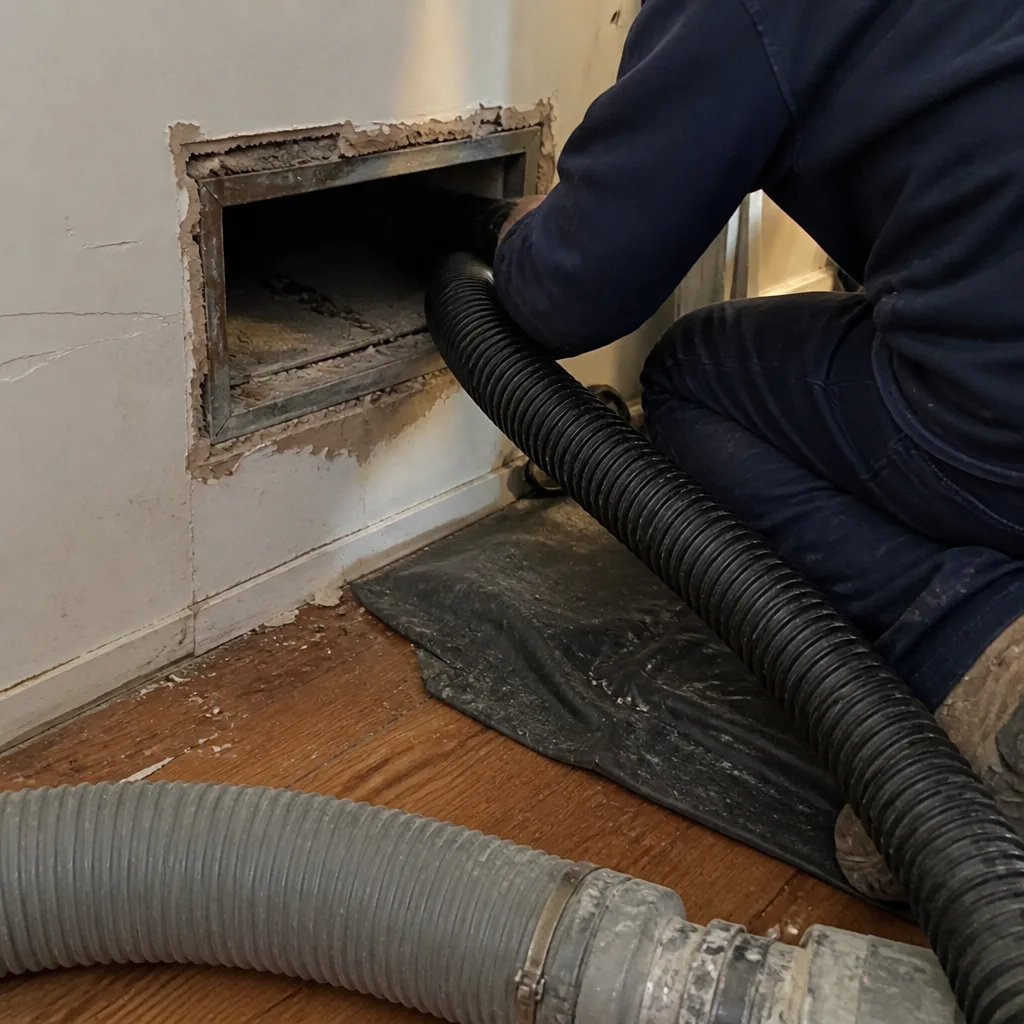 Before
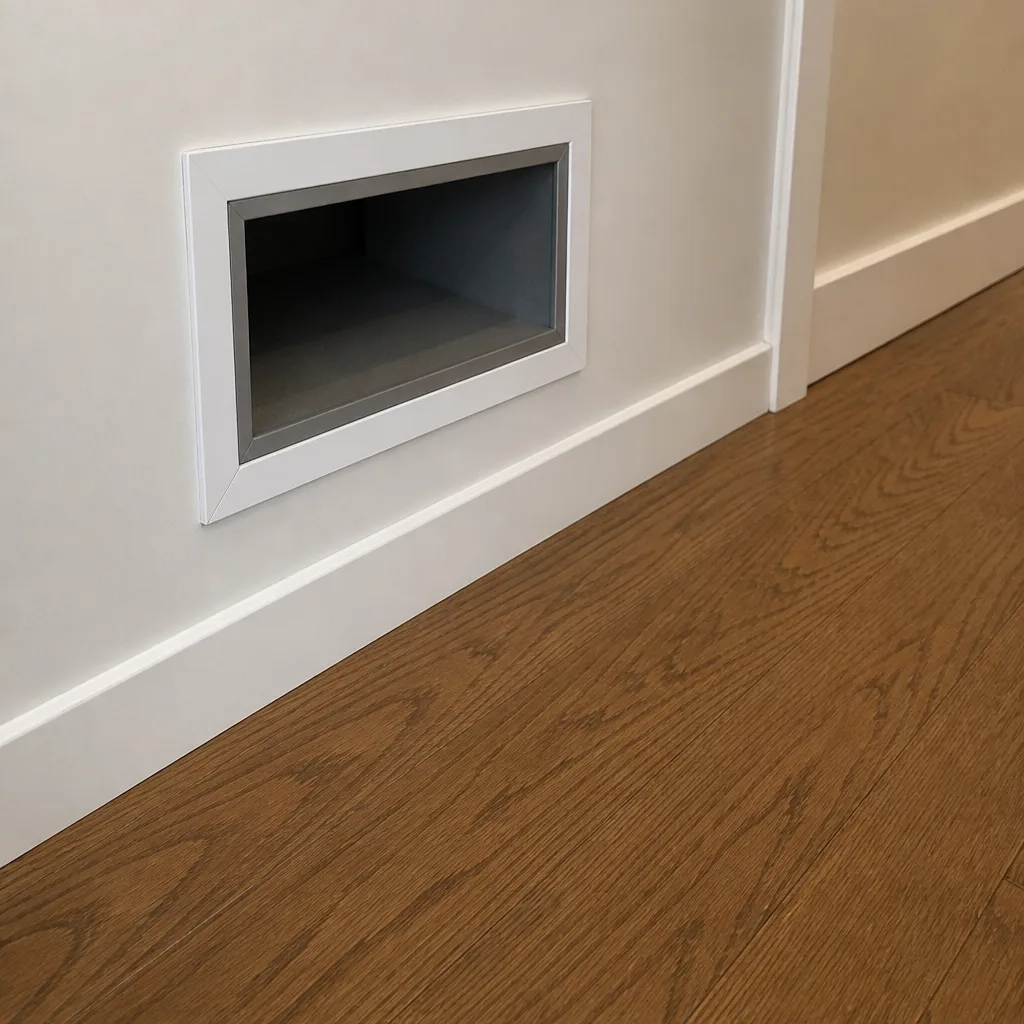 After
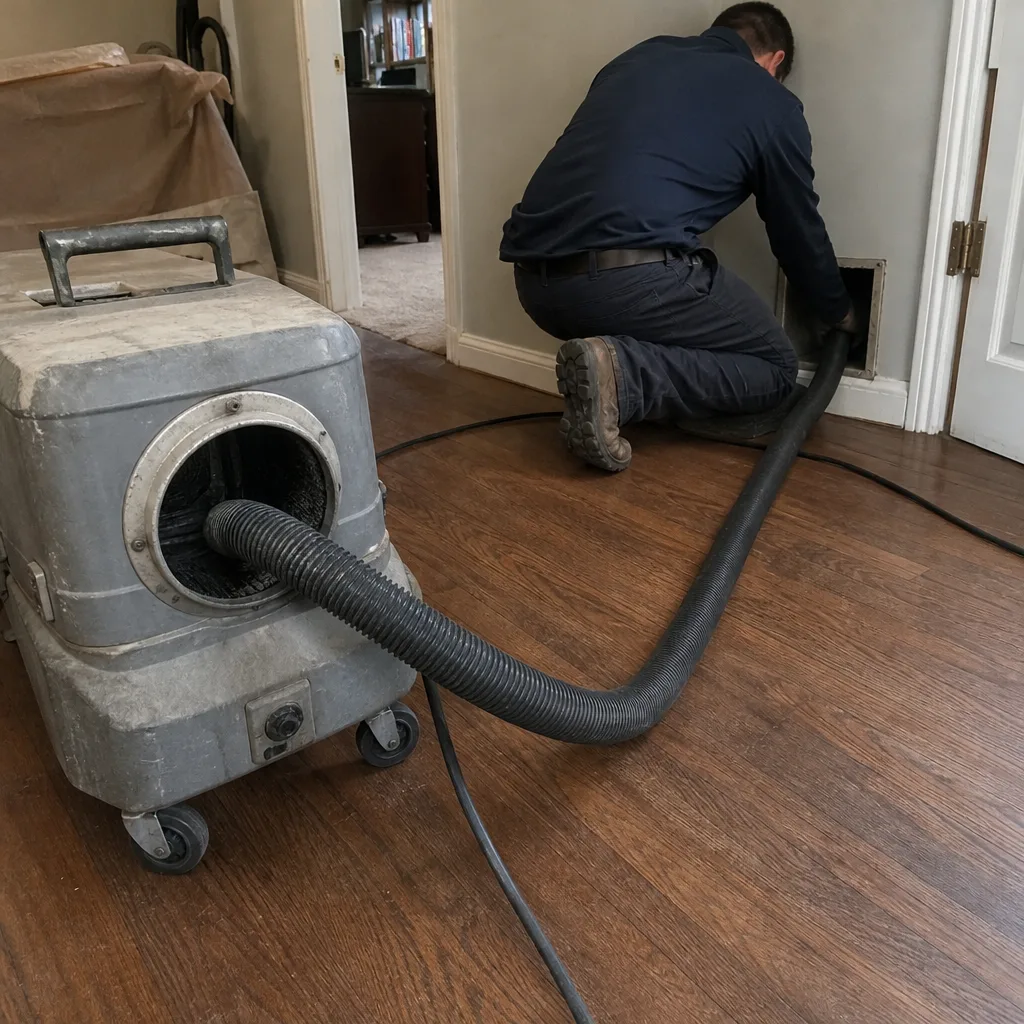 Before
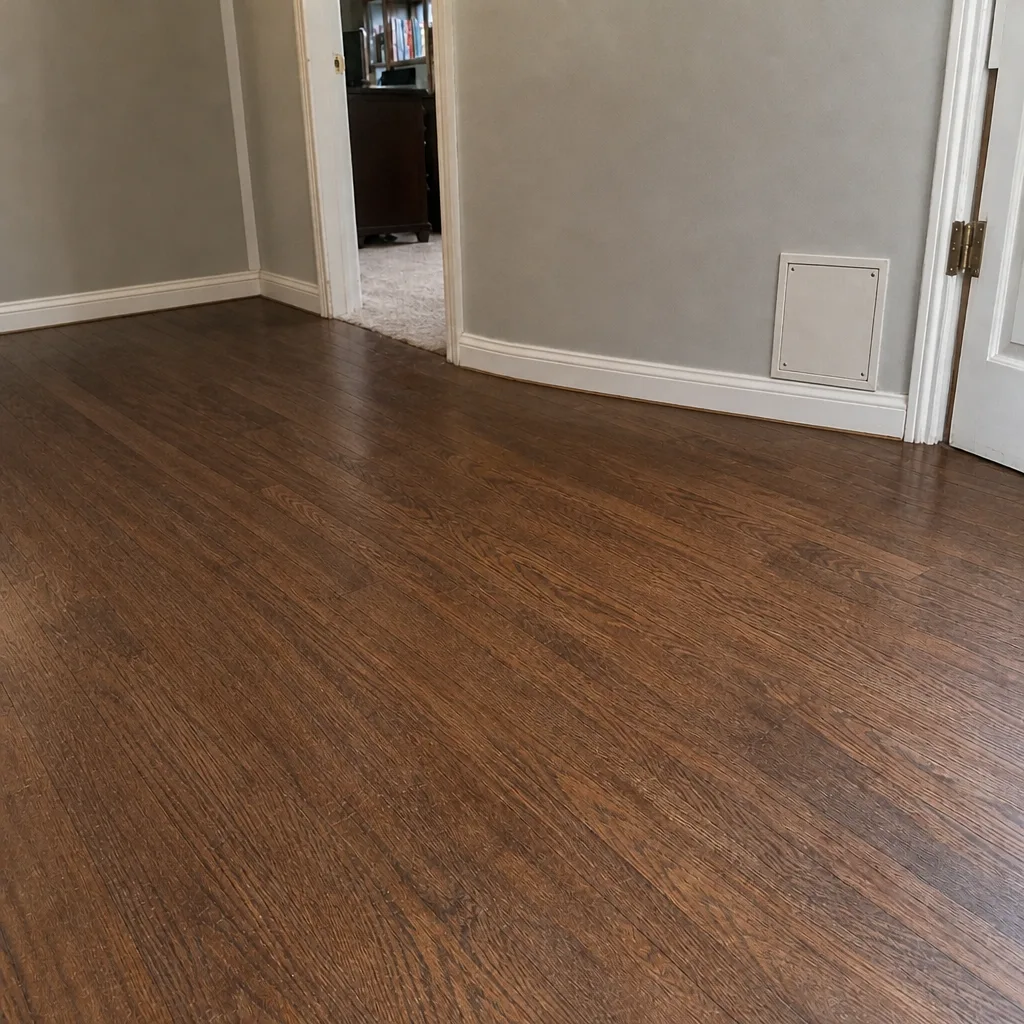 After
 Before
 After
When to Call a Professional
Call a professional air duct cleaning company when you see visible film buildup on return-side duct walls, when the first heat cycle of the year produces a noticeable hot-dust smell, or when a smoke event has left residual odor in the house after the outside air clears. Call for dryer vent cleaning when drying times stretch beyond the usual cycle length, when the vent termination flap doesn’t open freely, or when fall laundry loads are heavier than they were in summer. Call for a repair when a register whistles, a joint is loose, or pest intrusion shows up in a return trunk. Duct Cleaning Centennial offers free estimates in Centennial – call (888) 597-0329. Written estimates set the final price per system, so there’s no guessing at the invoice total.
Frequently Asked Questions
Late May and early June is the highest-ROI window for most Centennial homes – after the Front Range pollen peak and before regional wildfire season. A secondary fall check before the first heat cycle covers the switchover. Two cleanings in a smoke-heavy year are appropriate for homes with allergy-sensitive residents.
Once a year is the right baseline for most homes that time the cleaning to late spring. Homes with pets, allergy-sensitive occupants, or exposure to multiple Red Flag events often benefit from a second cleaning in early fall. Homes without pets or allergy concerns that clean in late spring can sometimes extend to an 18-month interval with a fall visual check.
Pricing is set per job by the written estimate, and the written estimate sets the final price. We give a flat price per system, not a per-vent quote, so the number you agree to is the number you pay. Call (888) 597-0329 for an exact quote – estimates are free.
Cheaper quotes usually reflect less equipment – shop vacs rather than Rotobrush rotary brush systems and Nikro HEPA-vacuum rigs – or a per-vent price that grows once the technician is on site. The proof isn’t the quote, it’s what equipment shows up and whether you see before-and-after photos of your own ducts. Ask for both before you book, then call (888) 597-0329 for a written estimate.
Before-and-after photos of your actual ducts are the only reliable proof of what was cleaned. Photos taken inside the return trunk and at multiple supply runs are the standard. Cheaper companies often don’t capture this because the cleaning pass isn’t thorough enough to photograph.
Smoke doesn’t damage ducts in the structural sense, but fine ash and odor compounds deposit on duct walls and require cleaning to remove. Homes that see multiple Red Flag events often need a second cleaning in early fall to clear residual particulate. For homes where air quality is a health issue, we use Abatement Technologies air-scrubbing capability alongside the standard cleaning equipment.
A licensed HVAC technician should confirm the heat exchanger is intact before the first heat cycle, as a combustion safety check separate from duct cleaning. Duct cleaning covers the air side; the heat exchanger is the combustion side. Both matter, and both deserve attention during fall switchover.
The Bottom Line
Centennial’s four seasonal stressors – spring pollen, summer wildfire smoke, fall switchover, and winter dry-air concentration – each produce different deposits in your duct system. A single cleaning scheduled by convenience almost always lands in the wrong window. Late spring is the highest-return cleaning window for most Centennial homes, fall is the switchover checkpoint, and fall is also when dryer vent cleaning matters most. Pair that with a professional-grade equipment answer (Rotobrush, Nikro HEPA), a flat price per system agreed before work starts, and before-and-after photos of your own ducts, and the cleaning you book is the cleaning that actually does the work.
Call (888) 597-0329 for a free estimate. We answer 24/7. Fast dispatch from 7am to 7pm, Sunday through Friday.
Written by the team at Duct Cleaning Centennial.