
Last updated November 16, 2026
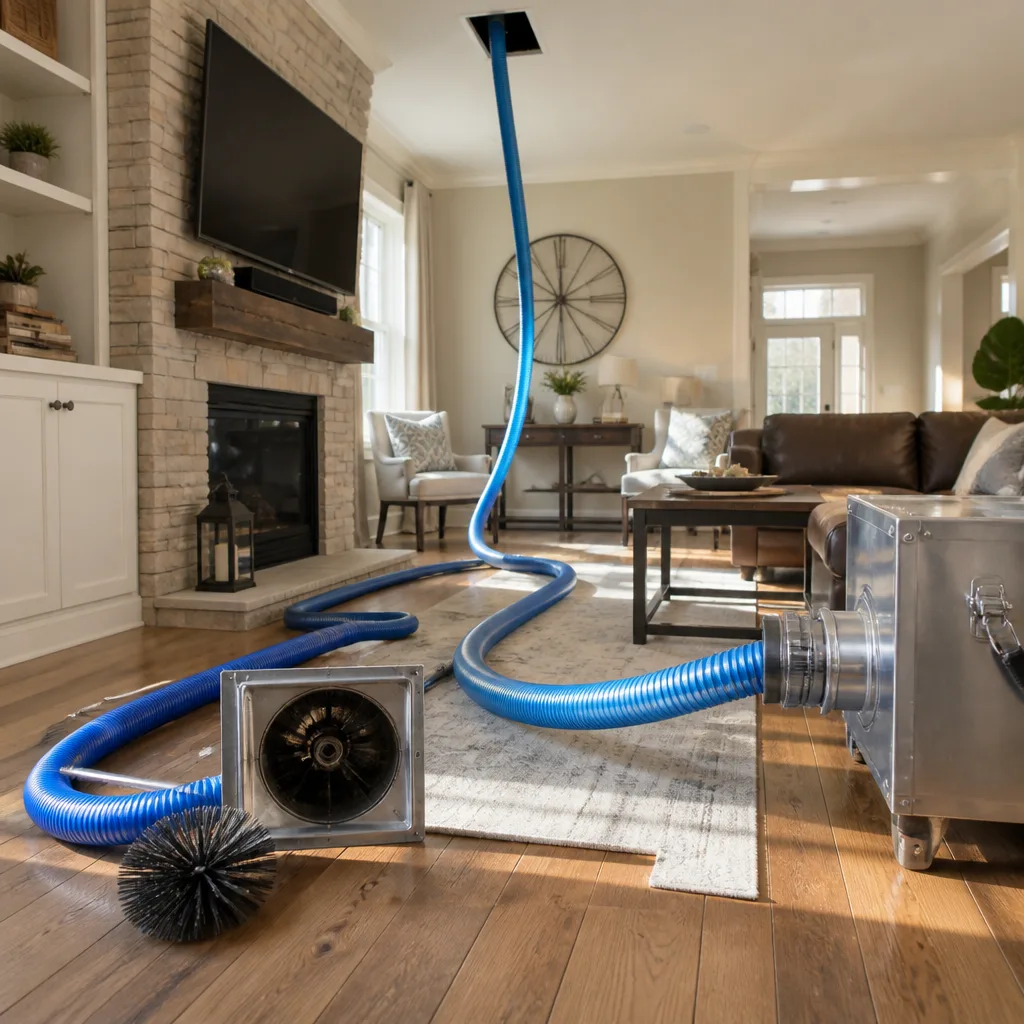 Whole-home duct cleaning
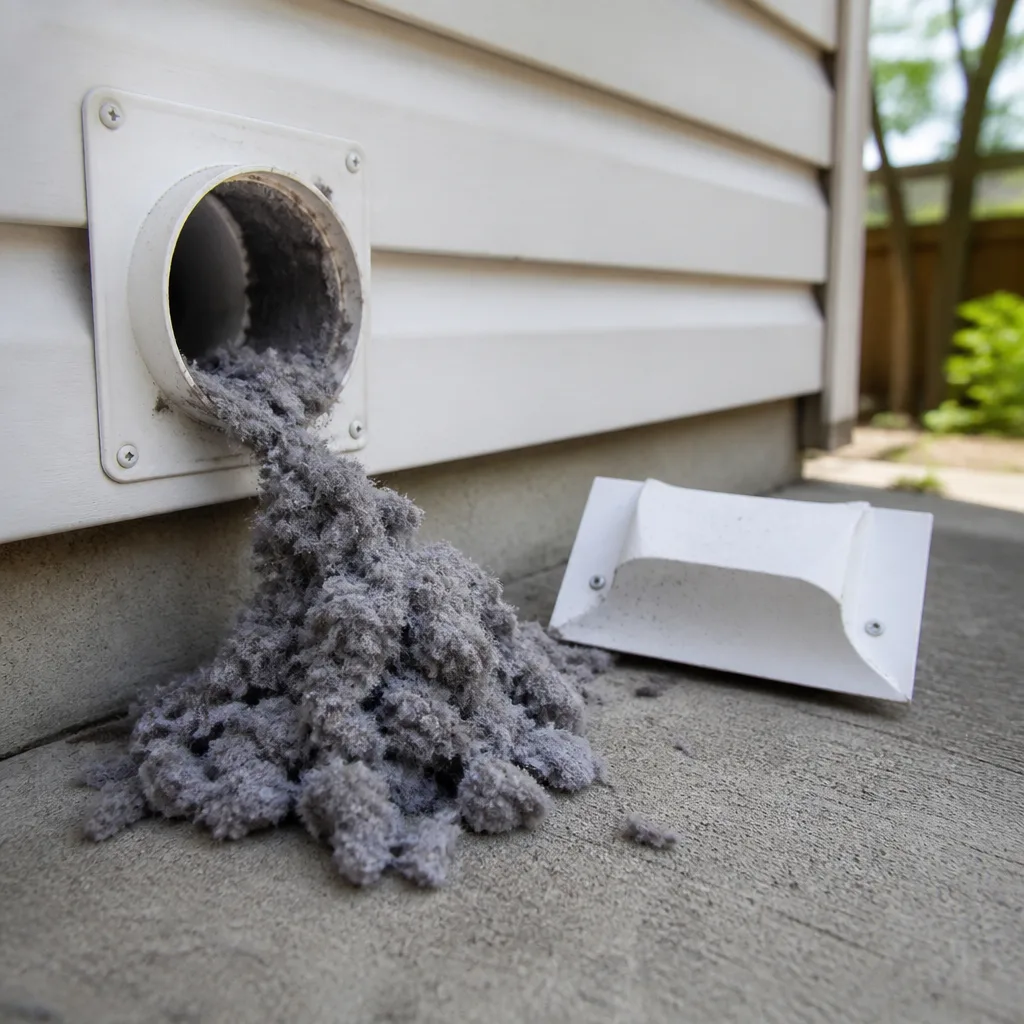 Dryer vent cleaning
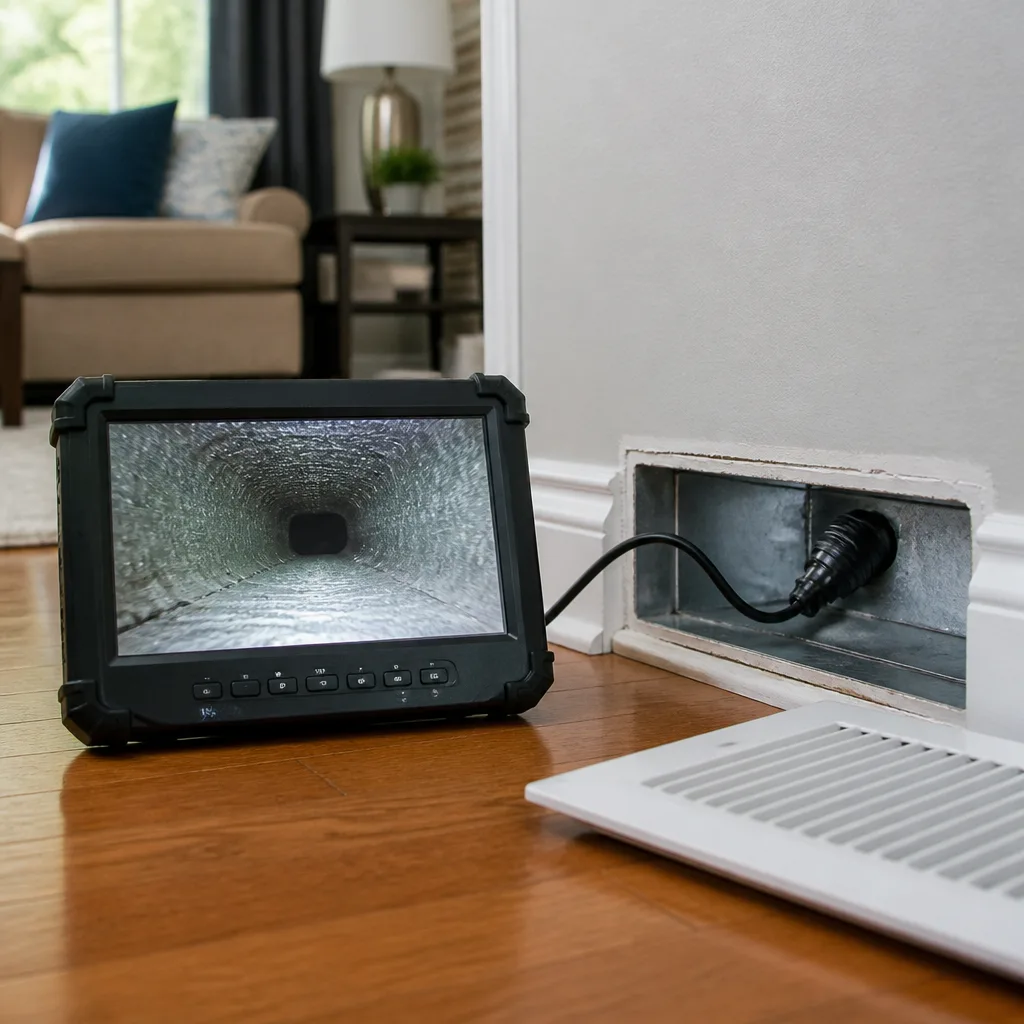 Camera inspection
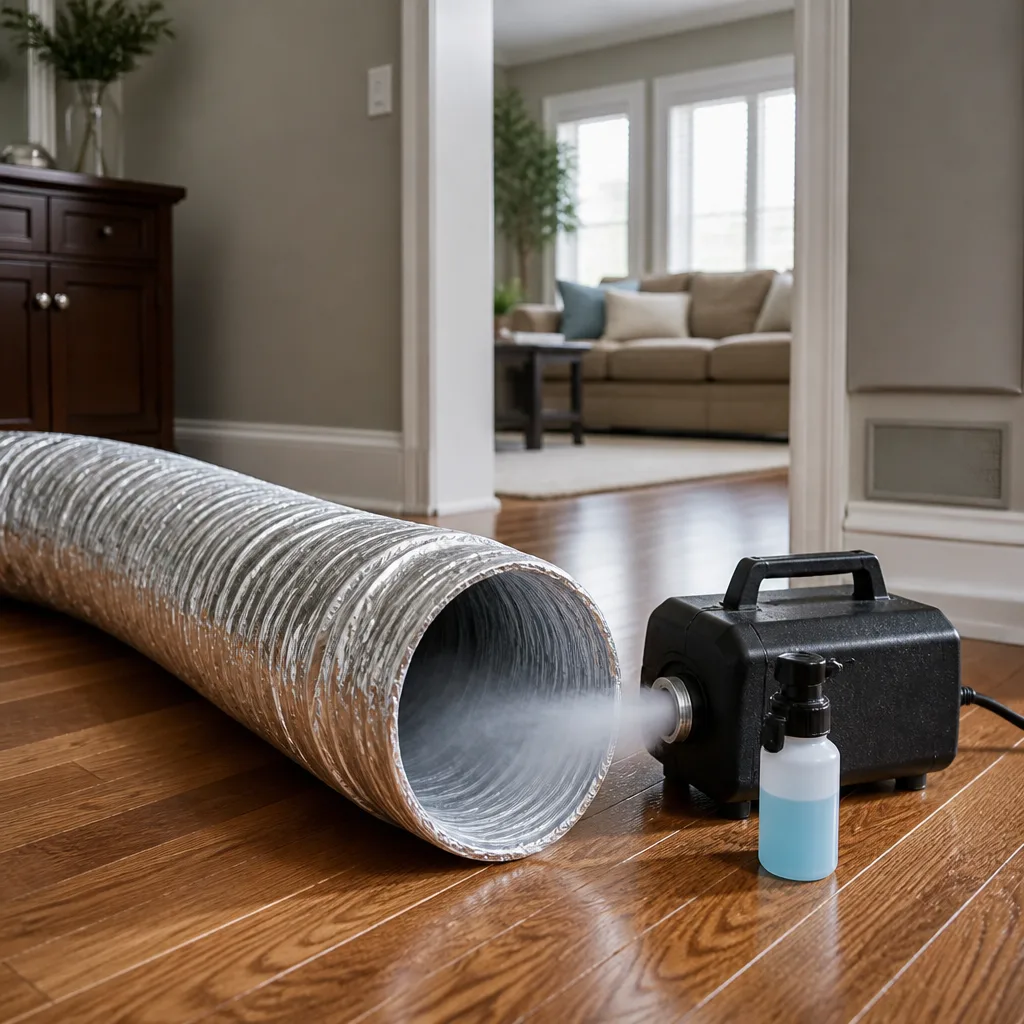 Sanitizing & deodorizing
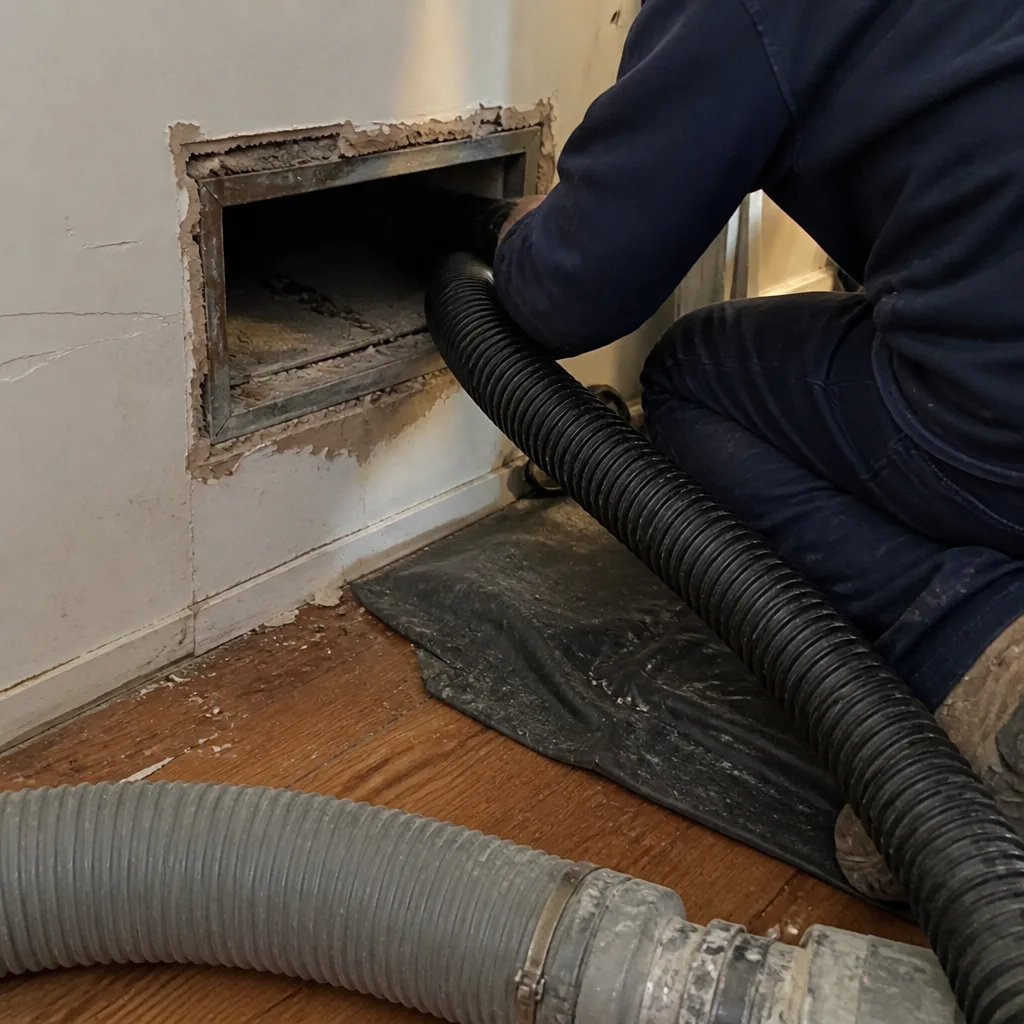
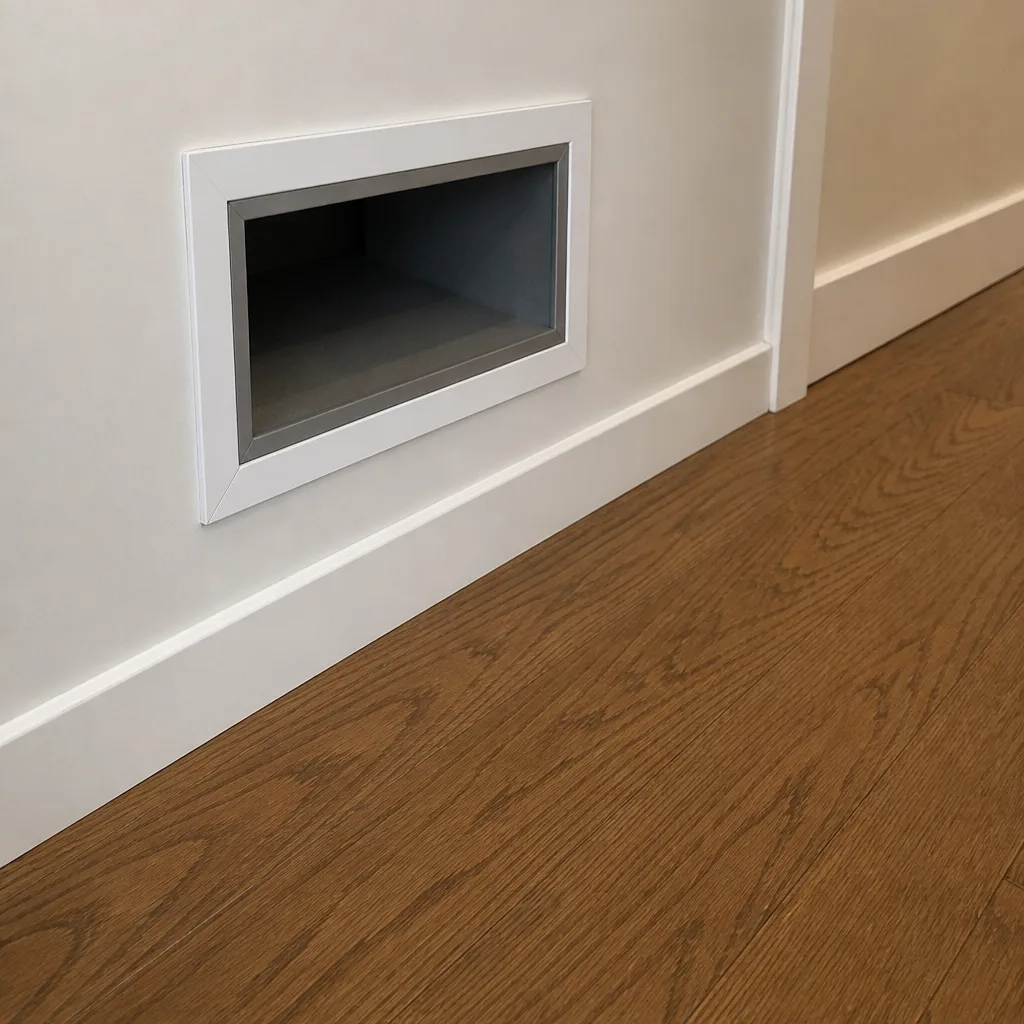
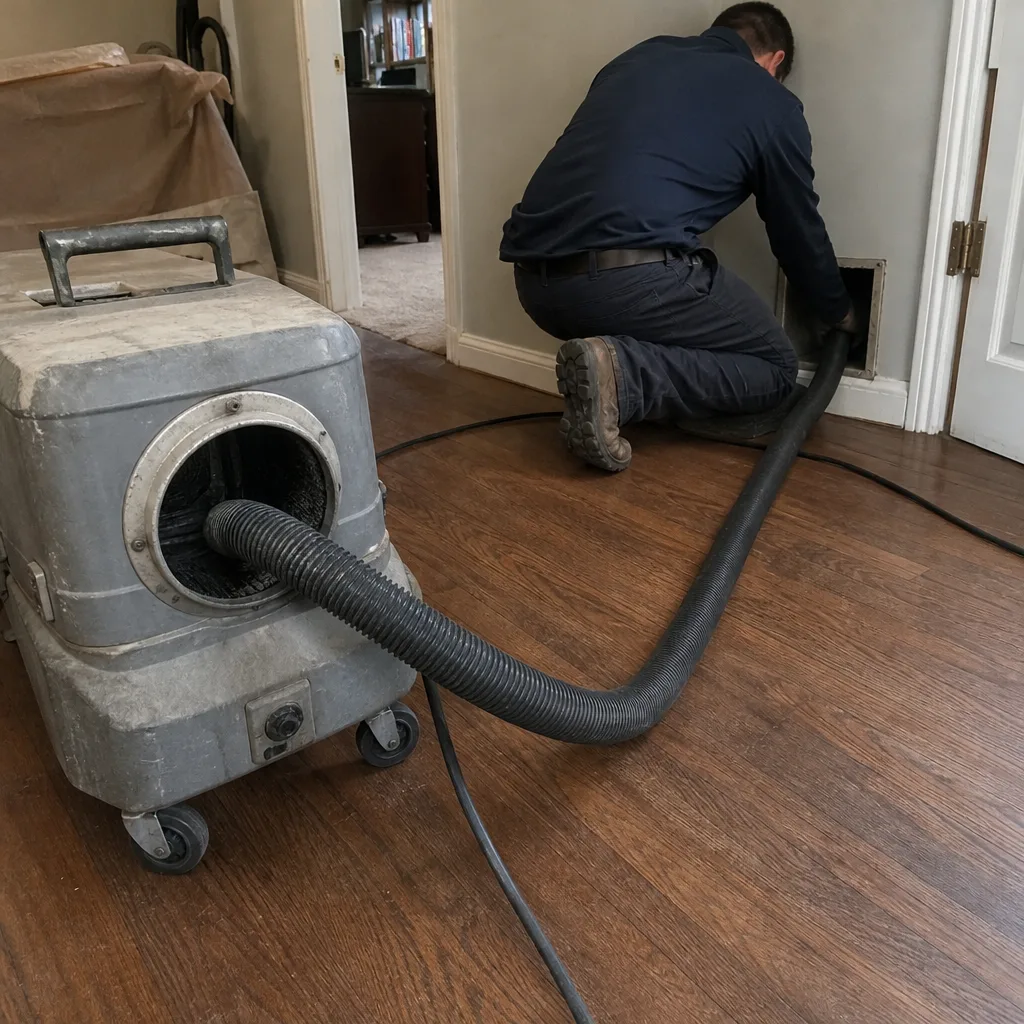
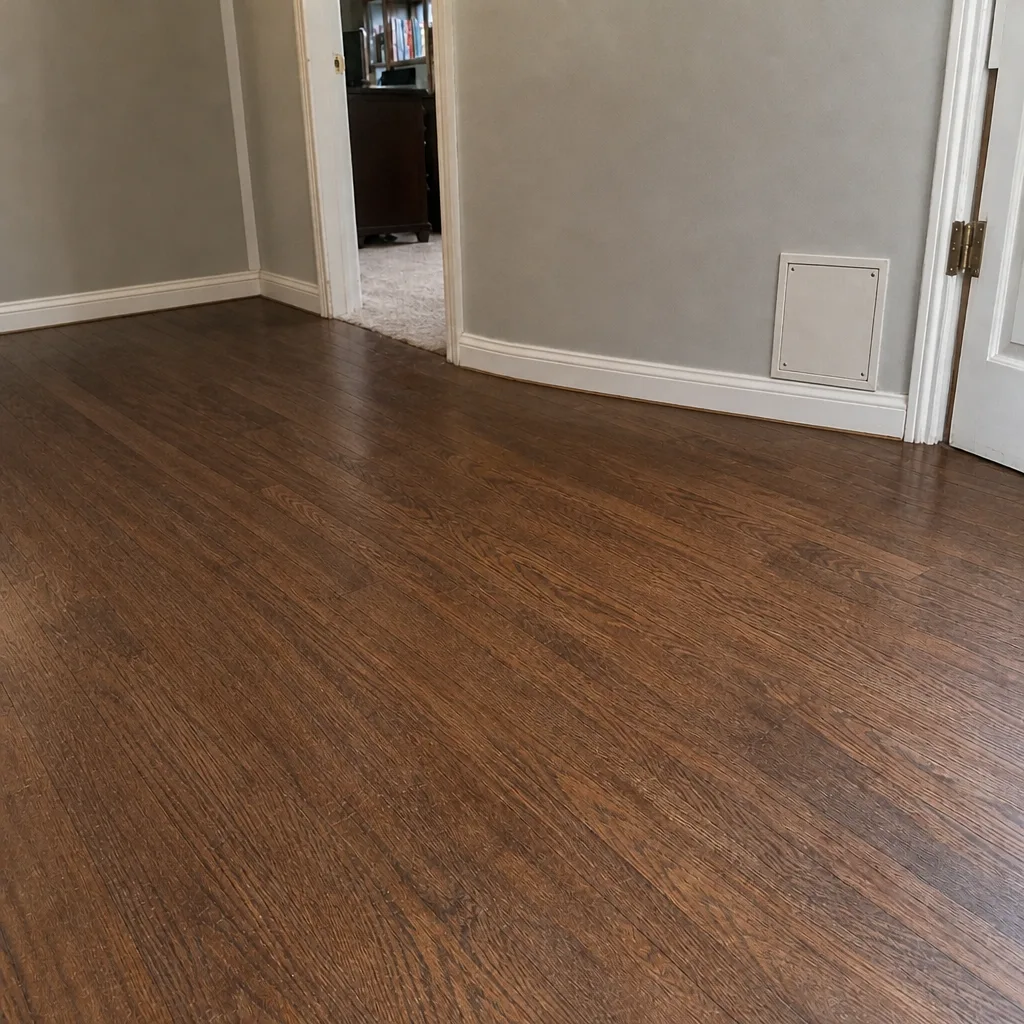
Whole-system duct and dryer vent check with before-and-after photos - you see exactly what came out of your vents
That "$99 whole-house special" is a bait ad - the real number appears once they are in your hallway, or the "clean" is a shop-vac at the register. We photograph the inside of your ducts before and after instead.
The Complete Guide to Air Duct Cleaning in Centennial
Most homeowners in Centennial assume duct cleaning is duct cleaning: a truck shows up, a hose goes in a vent, and an hour later the system is clean. That assumption costs people money. The method a company uses determines whether debris actually leaves your house or just gets pushed into the next room’s supply register. And here’s the part almost nobody mentions at the estimate: your home’s floor plan decides which method can even reach every branch. A 1980s single-story ranch with a central trunk and short runs is a different job than a two-story build with a finished basement and a long, sagging flex run to the far bedroom. This guide walks through the full process, the equipment that matters, and how Centennial’s housing stock and high-altitude climate shape the job. By the end you’ll know what a real clean looks like and what questions to ask before anyone touches your system.
Quick Answer
Air duct cleaning in Centennial means removing accumulated debris from every branch line and the main trunk through negative-pressure source removal, not blowing dust loose inside the system. A legitimate job includes a pre-inspection, rotary brush agitation with equipment like a Rotobrush system, contained extraction through a Nikro HEPA vacuum, and a post-clean camera verification. Most Centennial homes need it every three to five years, and more often if the home sits near wildfire smoke corridors or runs a forced-air system hard at 5,760 feet.
Styles & brands we work with
- Whole-home duct cleaning
- Dryer vent cleaning
- Camera inspection
- Sanitizing & deodorizing
Table of Contents
- Why Centennial’s Altitude and Housing Stock Change the Job
- How Ranch and Two-Story Layouts Determines Which Method Reaches Every Register
- Why Negative-Pressure Source Removal Beats Blow-and-Sweep
- Rotobrush Agitation vs. Rotary Brush Systems: Flex Duct vs. Rigid Sheet Metal
- What a Legitimate Pre- and Post-Inspection Looks Like
- How Wildfire Smoke Seasons Change Your Cleaning Interval
- Dryer Vent Cleaning: The Other Half of Your Duct System
- How Often Should You Actually Clean Your Ducts?
Why Centennial’s Altitude and Housing Stock Change the Job
Centennial sits at roughly 5,760 feet, and that number matters more than most homeowners realize. At higher elevation, the air is thinner, so a forced-air furnace and blower have to move a larger volume of air to deliver the same heat. The system runs harder and longer through a Colorado heating season. That extra runtime means more air cycling through the return, across the filter, and out the supply branches every day. Debris accumulates faster than the generic “every three to five years” schedules that most national cleaning companies publish. Those schedules were built for sea-level homes running a gentler duty cycle.
The housing stock compounds it. Centennial’s residential neighborhoods are dominated by builds from roughly the 1980s through the 2000s. That era of construction used a mix of rigid galvanized sheet metal for main trunks and long runs of flexible insulated duct for the branches feeding individual registers. Flex duct is corrugated inside, and those ridges trap dust, pet hair, and construction debris in a way smooth sheet metal never will. A home built in the 1990s with 15 branch runs of flex is going to hold more material than a 1970s home with short rigid branches.
Then there’s the wildfire smoke. Colorado’s Front Range has seen repeated smoke seasons, and Centennial sits directly in the path of smoke that drifts in from fires west and north of the metro. When smoke lingers for days, the particulate load inside a duct system climbs. Furnace filters catch a lot of it, but fine particles pass through and settle on duct walls. That’s the piece most cleaning schedules miss entirely.
Put those three factors together – altitude, construction era, and smoke – and the case for cleaning on a Centennial-specific interval rather than a national average becomes clear. If you’re comparing local providers, start with the overview of Duct Cleaning Centennial to see what a local job includes.
How Ranch and Two-Story Layouts Determines Which Method Reaches Every Register
A cleaning method that works in a single-story ranch can leave half a two-story home untouched. That’s not a sales pitch, it’s just how duct systems are built. The floor plan determines the access points, the length of each branch run, and whether a cleaning tool can physically reach the far register.
Single-story ranch homes
The classic Centennial ranch has a central trunk running through a crawlspace or a low attic, with short branch runs feeding each room. Access is usually straightforward: a main trunk access cut, plus a register-by-register approach at each floor vent. The challenge here is the horizontal run. In a ranch with a long east-west trunk, debris that isn’t agitated along the full length of the trunk just sits there. A technician needs to work the entire trunk, not just the first few feet from the access point. This is where a rotary brush system earns its keep: the brush agitates the whole length while the vacuum holds the debris in suspension.
Two-story homes with finished basements
A two-story build with a finished basement is where things get complicated. You often have a vertical trunk chase feeding the second floor, a separate return system, and basement branches that may have been added or rerouted during a remodel. Access to the second-floor branches frequently requires working from a register rather than a trunk cut. A crew that shows up with a single hose and a shop vac cannot properly clean three floors of branch runs. The finished basement adds another wrinkle: whoever finished it may have boxed in or rerouted ductwork, and a pre-inspection camera has to map those changes before any cleaning starts.
What this means for access point placement
Here’s the practical takeaway. Every home needs its access points planned before cleaning begins. In a ranch, that’s usually one or two trunk cuts plus register access. In a two-story, it may be a trunk cut at each floor plus multiple register access points. Ask any company how many access points they plan to cut before they start, and ask whether those cuts will be sealed and insulated afterward. A company that can’t answer that question is planning a register-only sweep, which never reaches the trunk.
If you’re in a Centennial two-story and want a method matched to the layout, the team doing air duct cleaning can tell you what your floor plan will require before the truck gets there.
Why Negative-Pressure Source Removal Beats Blow-and-Sweep
Blow-and-sweep looks dramatic and does almost nothing. A contractor runs a hose into a register, blasts compressed air, and dust billows out of the vents. It feels like progress. What actually happened is that loose debris got redistributed into the living space, and the compacted material stuck to the duct walls never moved. Within weeks the dust settles back into the returns and the cycle repeats.
Negative-pressure source removal is the opposite approach. The system is sealed, a high-capacity vacuum pulls a constant negative pressure on the entire duct network, and the agitation tool loosens debris while the vacuum holds it in containment. The debris goes into the collection unit, not into your bedroom.
How negative-pressure source removal works, step by step
- Seal the system. Registers not being worked are covered, and the main trunk access is fitted with a collection connection so the whole network is under one pressure field.
- Establish negative pressure. A Nikro HEPA vacuum rig pulls air out of the duct network, creating the constant negative pressure that keeps debris from escaping into living space.
- Agitate the duct walls. A rotary brush on a flexible shaft – Rotobrush equipment is standard for this – runs the length of the branch and the trunk, loosening debris from the walls.
- Extract the debris. The vacuum carries loosened material back to the collection unit and into HEPA filtration.
- Verify. A post-clean inspection, ideally with a camera at the main trunk, confirms the walls are clear.
The difference in outcome isn’t subtle. A negative-pressure job produces a collection unit that visibly confirms the debris came out. A blow-and-sweep job produces a room you have to air out. For Centennial homes that see heavy summer smoke, containment also matters for the air your family is breathing during the job itself.
Rotobrush Agitation vs. Rotary Brush Systems: Flex Duct vs. Rigid Sheet Metal
Two families of agitation tooling show up in residential work: the Rotobrush rotary brush system and larger rotary brush whips. They aren’t interchangeable. The duct material decides which one gets used.
Flex duct
Flexible insulated duct has a corrugated inner liner, and those ridges catch debris. It’s also the most fragile duct material in a home. A metal whip spun at high speed through flex duct can tear the liner, and once the inner liner is compromised the duct has to be replaced. For flex, a softer brush head spinning at controlled speed, like the Rotobrush system, is the right tool. It follows the corrugation without shredding it. The technician adjusts the brush size and speed to the diameter and the material.
Rigid sheet metal
Galvanized trunk lines can handle more aggressive rotary brush whips because there’s no inner liner to damage. The full-length rotary whip is often the right choice on the main trunk, where material compacts against flat walls and needs real mechanical agitation to break loose. Getting the trunk clean is where most of the debris volume actually lives.
What to ask about the tooling
- What brush system will be used on the flex duct branches versus the main trunk?
- Is the vacuum HEPA-rated, and how much debris does the collection unit hold?
- Will the technician show you the collection unit contents after the job?
- Does the company also handle air duct repair if the pre-inspection finds separated joints or a collapsed flex run?
Centennial’s mix of 1980s to 2000s construction means most homes have flex branches and a rigid trunk, so a crew needs both tool types on the truck. A company that only carries one system is guessing on the other material.
What a Legitimate Pre- and Post-Inspection Looks Like
A cleaning company that can’t document the before and after has no business telling you the ducts are clean. The inspection is the part of the process that separates a documented job from a wipe-and-leave. Here’s what a real one looks like.
The pre-inspection
- Camera survey of the main trunk. A flexible inspection camera goes into the trunk access to record the debris load and check for separation, damage, or a collapsed run.
- Register-by-register review. Each branch register gets checked for airflow and visible debris so the technician knows which runs need the most work.
- System map. The technician sketches the layout: how many branches, where the returns are, and where access cuts will be needed. In Centennial two-story homes with finished basements, this often reveals branch runs that were rerouted during a remodel.
- Before documentation. Photos or video of the trunk interior, so you have a baseline.
The post-inspection
After cleaning, the camera goes back in the same access point and records the same trunk line. You should see clean duct wall, not a lighter shade of dirty. The technician should walk you through the before-and-after footage and show you the collection unit. If a company finishes and hands you a receipt without showing the duct interior, you don’t know what was actually done.
Ask directly at booking: “Will I see camera footage of my trunk line before and after?” The answer should be yes, with no hedging. If the duct is damaged during inspection – a common finding when a flex run has already separated at a collar – a repair is the fix, not a second cleaning. That’s why the three-service scope of cleaning, dryer vent cleaning, and air duct repair sits with one crew.
How Wildfire Smoke Seasons Change Your Cleaning Interval
Standard advice says every three to five years. Centennial’s smoke seasons push that shorter. When wildfire smoke lingers over the Front Range for days or weeks, fine particulate matter settles into the duct system along with everything else the return air carries. Furnace and air-handler filters catch a good portion of it, but fine particles make it past and collect on duct surfaces. Then the next time the system runs hard, that material is back in the air your family breathes.
Signs your Centennial system needs attention sooner
- Visible dust at the supply registers within a few weeks of cleaning them
- A musty or smoky odor when the heat or air conditioning cycles on
- Increasing allergy-type symptoms in the household that clear when the system is off
- Dust settling on surfaces faster than it used to
- A filter that loads up quickly, with visible dark staining
For homes that run the forced-air system hard through smoke season, the practical interval is often closer to three years than five. If a home is in a neighborhood with heavy tree cover, has pets, or has seen indoor remodeling within the last couple of years, the interval shortens further. The homeowner’s best move is to get the pre-inspection camera check and let the actual debris load decide, rather than guessing from a calendar.
On the post-clean side, treatment matters. Centennial homes that see smoke season after season benefit from air quality components already in the system being checked at the same time. Companies familiar with Honeywell and Aprilaire controls can verify that the filtration and humidification components are working after the clean, rather than leaving them as-is.
Dryer Vent Cleaning: The Other Half of Your Duct System
Air ducts get the attention, but the dryer vent is the duct run with a genuine safety stake. Lint accumulates in the corrugated hose and the rigid run to the exterior, restricting airflow. A dryer running hot with restricted airflow is a house fire risk, full stop. The Consumer Product Safety Commission has flagged dryer lint as a leading cause of residential fires, and this is one duct line where cleaning isn’t optional.
Warning signs of a clogged dryer vent
- Clothes take two cycles to dry when one used to do it
- The dryer cabinet gets hot to the touch during a cycle
- The exterior vent flap doesn’t open fully or has visible lint buildup around it
- A burning or heavy lint smell in the laundry area
- Lint accumulating behind or under the dryer
What a real dryer vent clean involves
Blowing compressed air through the vent is not cleaning it. A real job disconnects the dryer, runs a rotary brush through the full length of the vent, and uses a vacuum to extract the loosened lint. The technician confirms the exterior flap is clear and the run has no crushed sections or disconnected joints. In Centennial homes where the dryer sits against an exterior wall with a short run, the job is quick. Where the dryer is in a basement or an interior utility room with a long horizontal run and multiple elbows, the job takes longer and the tooling matters more. A company without extraction equipment leaves the lint inside the run.
Get the dryer vent cleaned on the same visit as the air ducts. It’s the same duct system, and it’s the same specialist scope.
How Often Should You Actually Clean Your Ducts?
Every three to five years is the general industry range, but Centennial homes usually fall toward the shorter end. Altitude means the system runs harder; construction-era flex duct catches more debris; and wildfire smoke seasons add particulate load. A home with pets, recent remodeling, or heavy smoke exposure should be checked every two to three years against the camera inspection.
Signs it’s time sooner than the calendar suggests:
- Dust at supply registers within weeks of cleaning
- Smoke or musty odor when the system cycles on
- Visible debris on the pre-inspection camera
- A filter loading faster than normal
- Any recent remodel generating dust that found its way into returns
The honest answer is that the camera inspection should drive the decision, not a fixed schedule. If the trunk is still clean, the technician should tell you so. That’s what earns trust in a trade with a rough reputation.
Common Mistakes to Avoid
- Calling the cheapest coupon price. A low teaser price usually becomes a larger invoice once the technician is on site, often with per-vent charges added. Ask for one flat price per system, agreed before work starts.
- Accepting blow-and-sweep as “cleaning.” Compressed air redistributes dust into living space. A legitimate job uses negative-pressure source removal with containment, not a blower.
- Skipping the pre-inspection. A company that starts without a camera survey has no baseline and no way to show what was removed. In Centennial’s mixed housing stock, that camera is the only way to find a separated flex run or a collapsed branch.
- Ignoring the trunk line. Register-only cleaning leaves the main trunk, where most debris lives, untouched. Confirm the trunk will be agitated and extracted.
- Letting the dryer vent go. It gets overlooked because it’s not part of the HVAC trunk, but a clogged dryer vent is a genuine fire hazard. Clean it on the same visit.
- Booking a company without air duct repair capability. Pre-inspections regularly uncover separated collars and torn flex liners. If the technician can’t repair the run, the clean gets left half-finished.
- Assuming a national average schedule applies here. A five-year interval built for sea-level homes may be two years too long at 5,760 feet with smoke exposure. Base the interval on inspection, not a generic rule.
See the difference
 Before
 After
 Before
 After
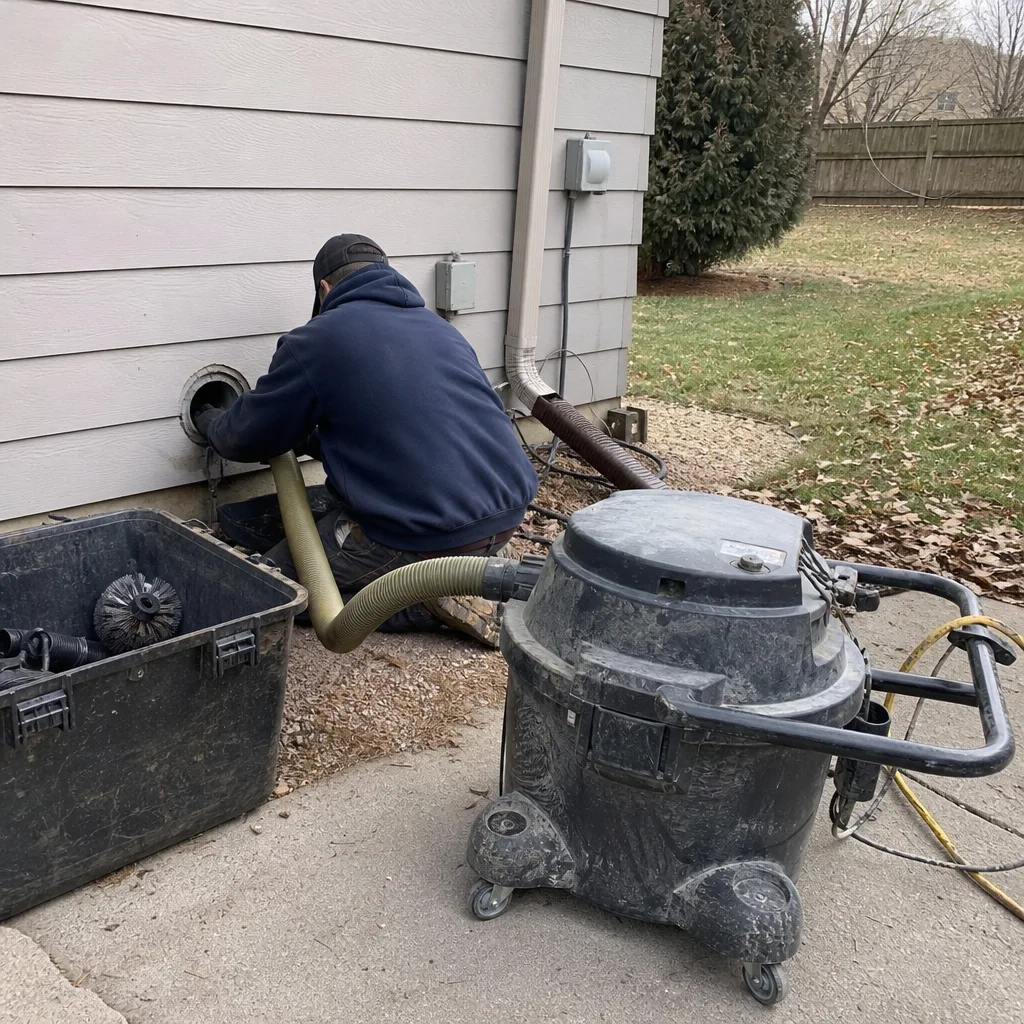 Before
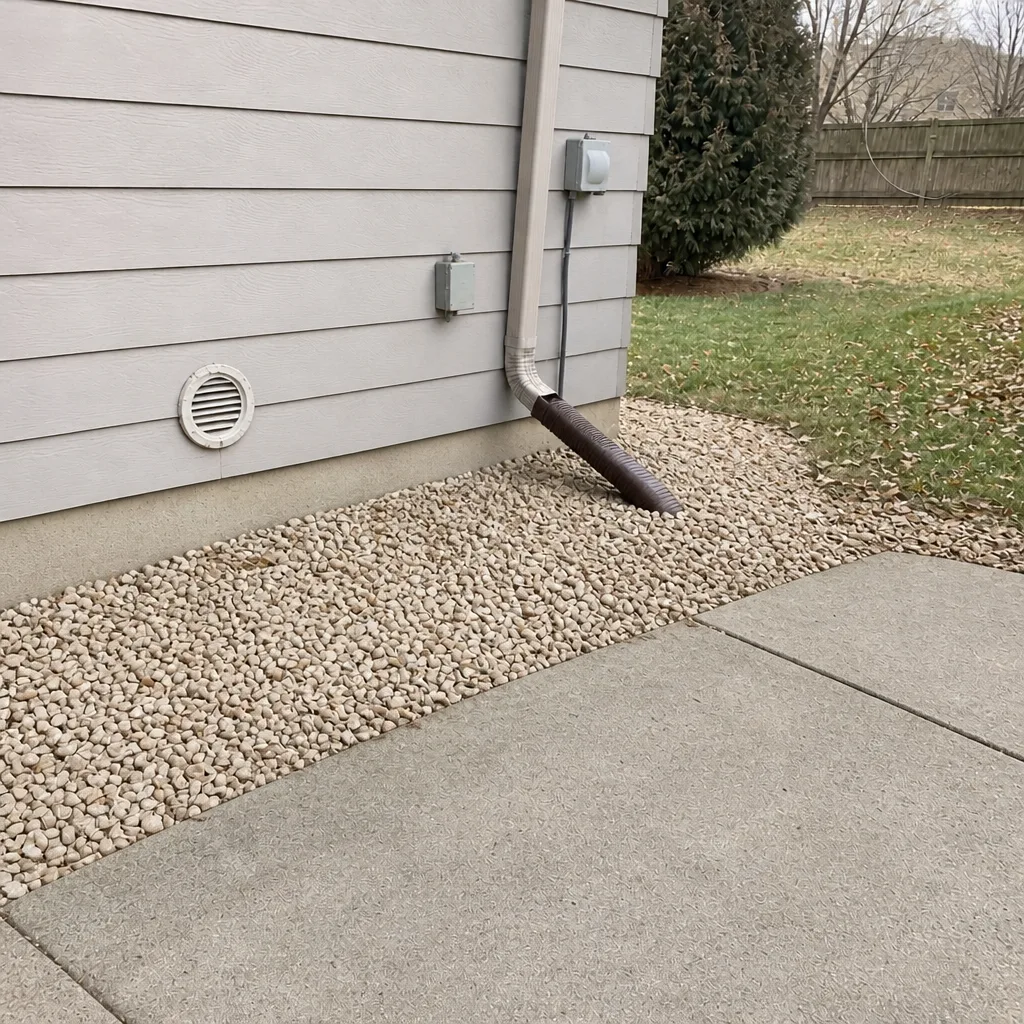 After
When to Call a Professional
Some cleaning tasks are homeowner territory. Duct cleaning isn’t one, and neither is anything that involves opening the system. Call a professional when:
- You see visible debris in the supply registers or the return grille
- A musty, smoky, or dusty smell arrives when the system cycles on
- A family member with respiratory sensitivity notices symptoms triggered by the system running
- Clothes take two dryer cycles to dry, or the dryer cabinet gets hot
- You’ve finished a remodel, or the smoke season has been heavy
- You can’t remember the last time the system was inspected
Duct Cleaning Centennial offers free estimates in Centennial. Call (888) 597-0329. We answer 24/7. Fast dispatch from 7am to 7pm, Sunday through Friday. One flat price per system, agreed before work starts, with before-and-after photos of your own ducts.
Frequently Asked Questions
Air duct cleaning in Centennial typically costs a few hundred dollars for a whole-system job, with the final price set by the written estimate based on the number of branches, the floor plan, and the debris load the pre-inspection finds. The single most important thing to confirm is the pricing structure: one flat price per system, not a low coupon base with per-vent charges added afterward. Call (888) 597-0329 for an exact quote; estimates are free.
Cheap quotes are usually built on a different job than the one you think you’re buying: register-only vacuuming, no trunk agitation, no negative-pressure containment, and per-vent add-ons once the technician is inside. A company with the right tooling – rotary brush systems for the flex branches, HEPA extraction for the trunk, and a camera inspection – can’t offer a whole-system job for a teaser price. If the quote seems too low for the method described, ask what’s excluded. Call (888) 597-0329 to compare against a whole-system estimate.
You know because you saw the camera footage before and after, and because the technician shows you the contents of the collection unit. A documented job produces before-and-after photos of your own trunk line, a visual confirmation that the duct wall is clear, and a walk-through of the collection unit. A company that can’t produce those shouldn’t be trusted with a second job. Call (888) 597-0329 to book an inspection with photo documentation.
Yes. At roughly 5,760 feet, thinner air means the blower runs longer and moves more air volume to deliver the same heat, so ducts accumulate debris faster than at sea level. Combine that with the 1980s through 2000s construction that dominates Centennial neighborhoods, where flex branch runs are common, and the effective interval often drops toward three years rather than five. The camera inspection should make the final call. Call (888) 597-0329 to schedule one.
Yes, and the method has to be planned around the layout before the job starts. A two-story with a vertical trunk chase, a finished basement, and branch runs from multiple floors needs access at each level – typically a trunk cut per floor plus register access for the upper branches. Boxed-in ductwork from a basement remodel is a common finding, and the pre-inspection camera maps it before cleaning begins. Call (888) 597-0329 to describe your layout and get an accurate scope.
It does, because smoke particulate that settles into duct surfaces gets pulled back into the air each time the system runs. Cleaning removes that settled material, and checking the filtration components – Honeywell and Aprilaire controls are common in Colorado homes – confirms the system can keep up afterward. During heavy smoke seasons, the interval between cleanings should shorten. Call (888) 597-0329 for a free estimate and a pre-inspection camera check.
The Bottom Line
Duct cleaning in Centennial isn’t a generic service. The altitude forces the system to run harder, the 1980s through 2000s housing stock feeds long flex branch runs that trap more debris, and the wildfire smoke seasons add particulate load that national cleaning schedules don’t account for. The method that actually works is negative-pressure source removal with rotary brush agitation and HEPA extraction, planned around your home’s layout and verified with camera footage before and after. Ask any company three questions: what brush system goes on the flex branches, how is the trunk cleaned, and will I see the before-and-after. If the answers are specific, you’re dealing with a specialist. Stay in Centennial long enough to see a few smoke seasons and you’ll appreciate the difference.
To book a free estimate, call Duct Cleaning Centennial at (888) 597-0329. We answer 24/7. Fast dispatch from 7am to 7pm, Sunday through Friday. One flat price per system, agreed before work starts, with before-and-after photos of your own ducts. Licensed and insured, with technicians who have up to 10 years of experience. Areas include Centennial and the surrounding Front Range.
Written by the team at Duct Cleaning Centennial.