
Last updated November 16, 2026
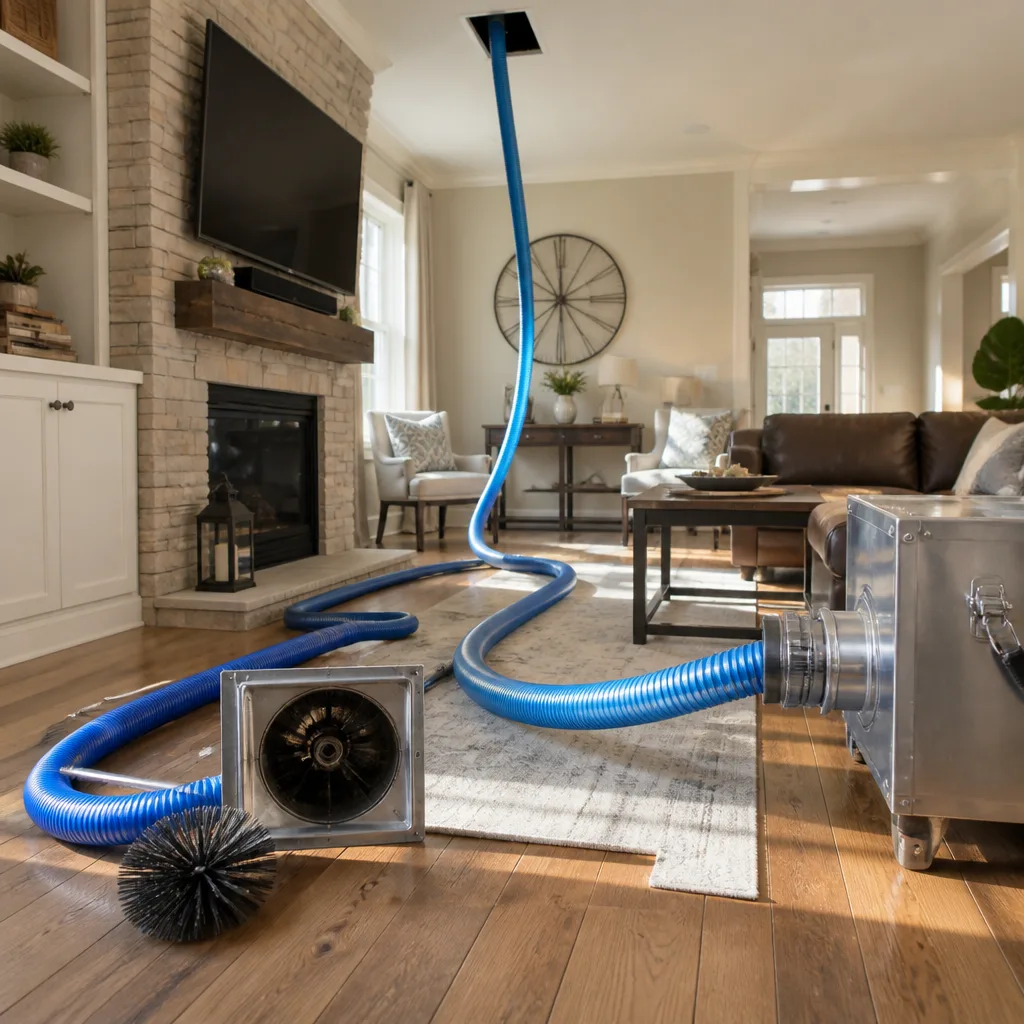 Whole-home duct cleaning
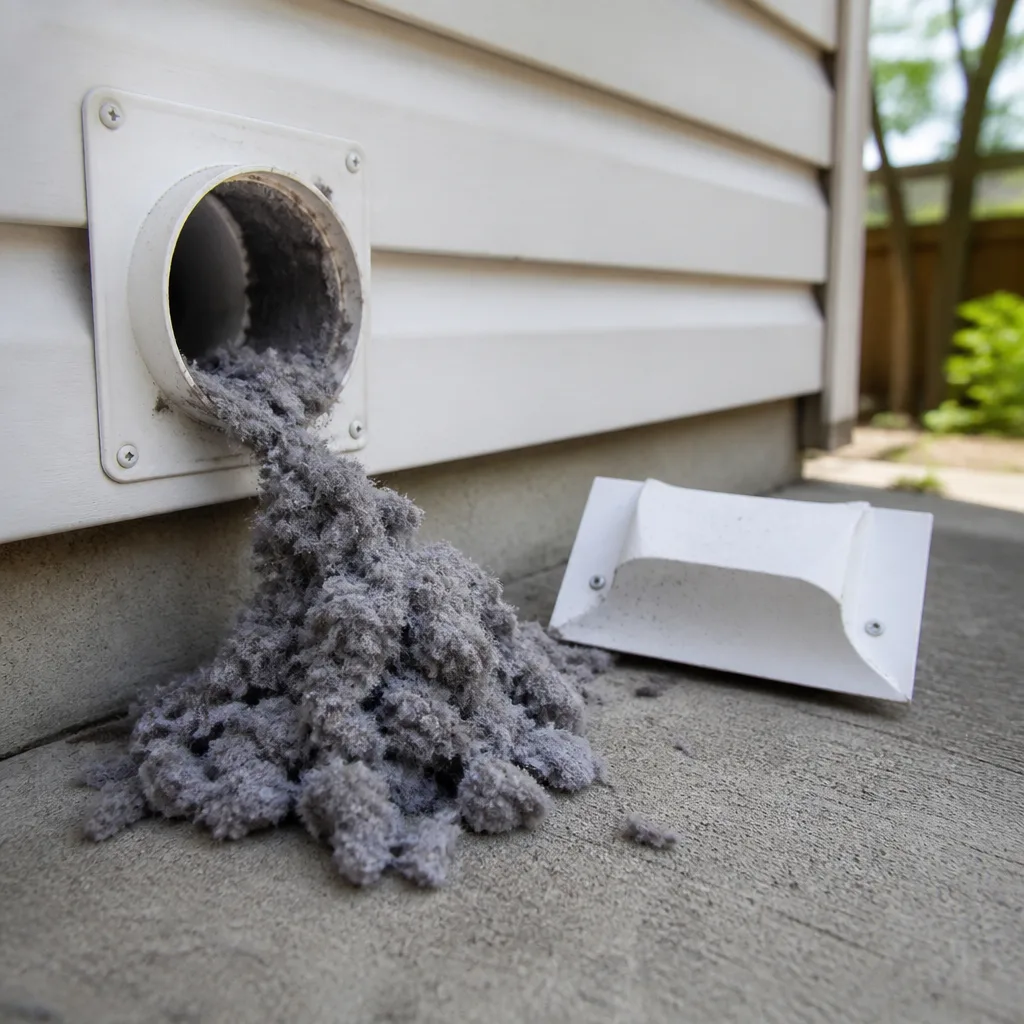 Dryer vent cleaning
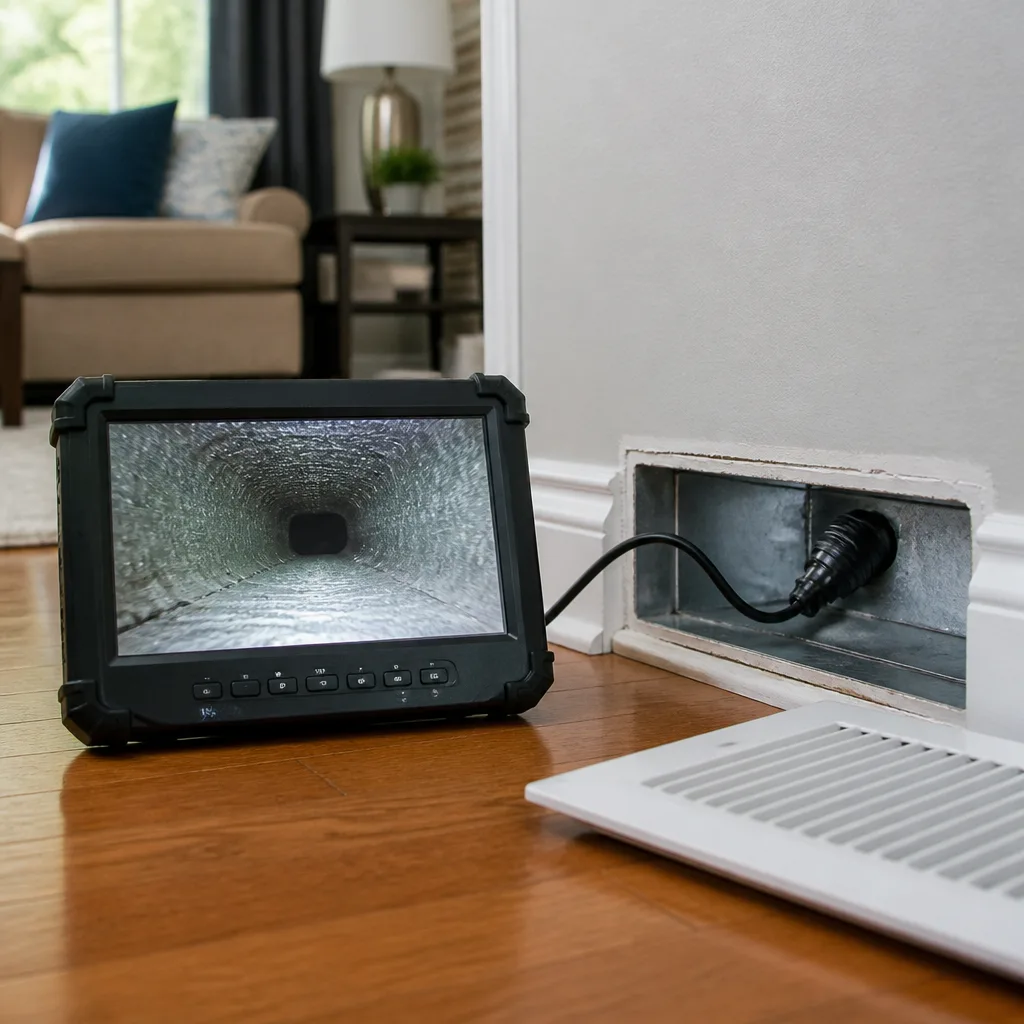 Camera inspection
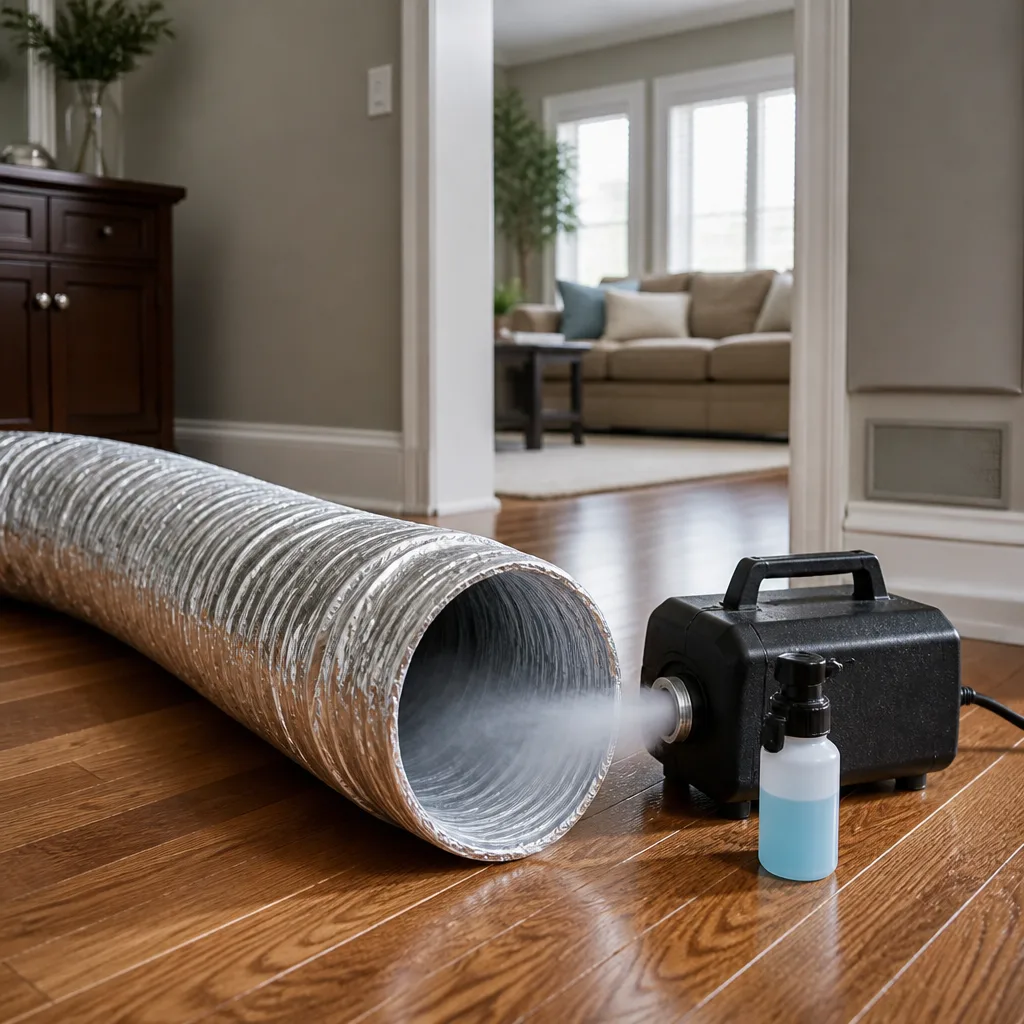 Sanitizing & deodorizing
Whole-system duct and dryer vent check with before-and-after photos - you see exactly what came out of your vents
That "$99 whole-house special" is a bait ad - the real number appears once they are in your hallway, or the "clean" is a shop-vac at the register. We photograph the inside of your ducts before and after instead.
Choosing the Right Air Duct Cleaning Brand: A Buyer’s Guide for Centennial
Here’s the part of duct cleaning that most homeowners never see coming: the equipment decision happens long before the technician knocks on your door. By the time a truck pulls up and a crew unloads a portable shop-vac and a length of hose, the job is already sold, the deposit is already paid, and your leverage to ask hard questions is gone. Duct cleaning is one of the few home services where the tool itself tells you almost everything about the operator. A rotary brush system and a HEPA vacuum rig represent a serious capital investment. A wet/dry vac does not. Understanding that gap before you book is the single most useful filter you have as a buyer in Centennial, and this guide walks through exactly what to look for.
Quick Answer
The right air duct cleaning brand in Centennial is the one that brings professional-grade equipment to the job: a rotary brush system like Rotobrush for mechanical agitation and a HEPA-rated vacuum like Nikro to contain what gets loosened. Ask any contractor to name their equipment brand and model before booking. If they can’t answer directly, the job is being run on consumer-grade gear, and no price is low enough to make that worthwhile.
Styles & brands we work with
- Whole-home duct cleaning
- Dryer vent cleaning
- Camera inspection
- Sanitizing & deodorizing
Table of Contents
- Why Equipment Is the Best Proxy for Cleaning Capability
- What Rotobrush Systems Do Mechanically
- What Nikro Brings to the Job
- Red-Flag Equipment to Watch For
- Why Equipment Investment Predicts the Business Model
- Questions to Ask Any Centennial Contractor Before Booking
- How to Verify the Work Actually Got Done
- What Makes Centennial Ducts Different
Why Equipment Is the Best Proxy for Cleaning Capability
Air duct cleaning has a measurement problem. There’s no visible outcome a homeowner can inspect from the driveway the way they can judge a new roof or a repainted room. The work happens inside a sealed system, and the debris leaves in a containment bag you never see. That leaves buyers relying on whatever the contractor tells them. Equipment is the one objective, checkable fact in that exchange.
The reasoning is straightforward. A rotary brush system runs into the thousands of dollars. A commercial HEPA vacuum rig runs into the thousands too. A contractor who owns that gear has made a real commitment to the trade. A contractor running a modified shop-vac has made almost none. That difference shows up in the quality of extraction, in how much debris actually leaves your system versus gets stirred into the air, and in how the operator thinks about the work. You can’t always see the cleaning. You can always ask what equipment is coming.
We’ve built our entire operation around that principle. Duct Cleaning Centennial runs Rotobrush rotary brush systems and Nikro HEPA vacuum rigs on residential jobs, and we use Guardsman post-treatment products to leave the system protected after the clean. That equipment focus is deliberate. It’s why our air duct cleaning work is grounded in what the machinery can actually accomplish, not what a brochure claims.
There’s a second reason equipment matters more than most marketing. The comparison to make isn’t between one brand name and another. It’s between two categories of tooling: professional-grade on one side, consumer-grade on the other. Once you can tell which category a contractor is operating in, the rest of the decision gets much cleaner. You stop sorting marketing claims and start evaluating the machine that will touch your ductwork.
What Rotobrush Systems Do Mechanically
Rotobrush is a rotary brush system built specifically for residential ductwork. The core design is a spinning brush head attached to a flexible hose, paired with a vacuum connection. As the brush rotates, it makes continuous contact with the interior walls of the duct, loosening the debris that has bonded to the surface over time. On the same pass, the integrated vacuum pulls that material out toward containment. Clean and vacuum happen together, not in two separate stages.
That continuous contact-and-extraction design is the whole point. Years of accumulated dust, lint, and dander don’t sit loose on a duct wall waiting to be swept away. It clings, and it packs into corners and seams. A brush that stays in contact with the surface while the vacuum runs can break that bond and remove it on the spot. A method that agitates without immediately vacuuming just relocates the debris, sometimes back into the room’s air.
Why the integrated design matters for complete extraction:
- Surface contact: The rotating brush physically scrubs the duct interior rather than blowing air past it.
- Simultaneous vacuum: Loosened material is captured on the same pass, before it can resettle.
- Sized for residential runs: The flexible brush assembly is built to work through the bends and branches of a home system, not just a straight commercial trunk.
- No “agitate and hope”: There’s no gap where debris is loosened and left for the vacuum to catch on a second trip. The two actions are one motion.
Contrast this with compressed-air-only systems, which push air through a duct and rely on downstream capture. That approach can work on light dust, but it provides no mechanical scrubbing of the duct wall. If a contractor describes their process as “we blow it out,” you’re hearing exactly that limitation. A Centennial home with years of settled debris needs contact, not a gust.
We’ve run Rotobrush systems across every duct configuration we’ve encountered, from simple single-return layouts to more complex multi-branch runs. The equipment doesn’t change. What changes is the technique the technician applies to reach every section. That’s why focused experience matters as much as the machine.
What Nikro Brings to the Job
Nikro is the vacuum side of a serious duct cleaning setup, and it’s the half most homeowners underestimate. If you loosen debris without containing it, you’ve done something worse than nothing: you’ve distributed it. Nikro HEPA vacuum systems are designed to capture fine particulate, including material too small for a standard filter to hold. On a duct cleaning job, that capacity determines whether the work improves your indoor air or temporarily worsens it.
The mechanical detail that matters most is negative air pressure. A properly sized HEPA vacuum creates a pressure differential across the duct system, so that loosened debris is pulled toward the collection point instead of drifting back into the rooms. Maintaining that negative pressure throughout the job is the difference between contained removal and a mess you’ll notice later. Get it wrong, and the dust you couldn’t see is the dust you now breathe.
How Nikro fits the process:
- The vacuum establishes negative pressure at the system, so airflow moves toward collection during the entire cleaning.
- The Rotobrush loosens bonded debris from the duct walls.
- The vacuum captures that debris through HEPA-rated filtration, holding particulate rather than venting it into the home.
- Post-treatment products like Guardsman are applied to leave the cleaned surfaces protected.
For homes where air quality is a real concern rather than a marketing line, the vacuum tier matters even more. We stock and service Abatement Technologies air-scrubbing equipment for exactly that reason. Homes with a genuine indoor air quality focus, or owners who want air-scrubbing capability integrated with the system, can have the whole picture assessed. Duct cleaning and indoor air quality aren’t separate conversations. The equipment a contractor carries answers both at once.
For readers in Centennial, the practical test is simple. Ask what vacuum the crew brings and what its filtration rating is. If the answer is a brand and a model you can verify, you’re talking to an operator who takes the extraction side seriously. If the answer is “a good vacuum,” move on.
Red-Flag Equipment to Watch For
The fastest way to evaluate a duct cleaning contractor is to ask what equipment shows up and listen for the shape of the answer. Vague answers signal a vague operation. Here are the three equipment red flags to watch for before any Centennial homeowner books a job.
- Portable shop-vac setups. A consumer wet/dry vac has a fraction of the capacity and none of the HEPA containment of a professional rig. It’s not built to hold negative pressure across a whole duct system, and it stalls under fine particulate. If this is the equipment, the job is being run at a consumer tier regardless of the price on the invoice.
- Compressed-air-only systems. Blowing air without mechanical agitation and proper containment pushes debris through the system rather than removing it. You can’t scrub a duct wall with a blower, and you can’t guarantee capture without proper filtration downstream.
- Operators who can’t name their equipment. This is the clearest tell. A technical operator knows the brand and model of the machines they depend on, the same way a good mechanic knows the diagnostic tools on the bench. If the person quoting your job can’t tell you the make and model, the equipment is either generic or the person isn’t the one doing the work.
There’s also a subtler flag worth noting. A contractor who describes cleaning only the supply side and hand-waves at the return is doing partial work. A full system clean addresses both. Ask about it directly. If the answer gets slippery, you’ve found your buyer’s filter.
Why Equipment Investment Predicts the Business Model
Here’s the arithmetic that separates serious duct cleaning contractors from the coupon crowd, and it’s worth understanding because it explains so much of what you see advertised. Professional-grade rotary brush and HEPA vacuum systems cost real money. That’s a fixed cost every operator carrying that equipment has to recover. A steep promotional price can’t survive that math over time unless something else in the business model changes, and the thing that changes is usually the scope of work or the equipment quality.
A contractor running consumer-grade equipment has almost no fixed cost to recover, which is why $49 and $79 specials appear in the market. The price is honest about what it buys: a light pass with a portable vac. The problem isn’t the low price on its own. It’s that the same operator has to make the business work, and the ways to do that after a cheap headline are upselling, partial cleaning, or rushing through a job in far less time than a full system clean takes. A homeowner who wants real cleaning capability should expect pricing that reflects real equipment. When you understand that, the coupon loses its pull.
That’s why we keep our pricing structure simple and honest. Duct Cleaning Centennial quotes per job, by written estimate, before any work starts. You know the price before we begin, and you get before-and-after photos of your own ducts so you can see the result. No teaser figure that balloons on the invoice, no per-vent games. The equipment investment and the pricing model are two sides of the same decision.
Our technicians have up to 10 years of experience, which means the equipment is being run by people who know how to use it. A serious machine in untrained hands still underperforms. The two belong together.
Questions to Ask Any Centennial Contractor Before Booking
Bring this list to the call. A contractor worth hiring will answer every one of these without hesitation, and the way they answer tells you as much as the answers themselves.
- What equipment brand and model do you use? You’re listening for a specific name, like Rotobrush or Nikro. A confident operator knows exactly what’s on the job.
- What’s your vacuum’s CFM rating and filtration tier? CFM (cubic feet per minute) describes airflow capacity; filtration tier tells you whether the vacuum is HEPA-rated. Together they tell you how much the rig can actually capture.
- Do you clean the supply and return sides separately? A full system clean includes both. A partial job on one side is not the same work, and it shouldn’t be priced as if it is.
- Is camera verification included, or is it extra? Camera inspection lets a homeowner see the ducts before and after. Ask whether it’s part of the quote or an add-on, so there are no surprises.
- Is the price per job or per vent? Per-vent pricing can be honest, but it can also be a way to inflate a bill once work begins. A flat per-job estimate agreed upfront is easier to hold a contractor to.
- What does the written estimate cover, exactly? Get the scope in writing: supply, return, any repair, post-treatment, and verification. The written estimate should set the final price.
- Will I get before-and-after photos of my own ducts? This is your proof the work happened. Any contractor who can’t produce it is asking you to take the work on faith.
If a contractor answers all seven cleanly, you’ve likely found a legitimate operator. If they hedge on two or three, keep calling. This list works the same way in every neighborhood across the Denver metro, so it’s worth saving for the next time you need this work done.
How to Verify the Work Actually Got Done
Duct cleaning’s invisible-work problem is real, and it’s why verification belongs in the buying decision, not just the DIY conversation. A contractor can claim a full clean without evidence. A homeowner who knows to ask for evidence can separate the claims from the results. Here’s what actual verification looks like on a professional job.
- Before-and-after photos of your own ducts. Not stock images, not someone else’s job. Photos showing the inside of your actual system at the start and after the clean. Any serious operation can provide this.
- Camera inspection. A small camera run through the ducts shows you the condition directly, including the branches a brush may have missed. Ask whether it’s included in the estimate or billed as an extra.
- Containment check before work starts. A professional setup includes sealing registers and maintaining negative pressure so debris doesn’t drift into rooms. If the crew isn’t sealing anything before starting, the containment isn’t there.
- Debris removal evidence. The vacuum and containment system hold what came out. Ask where the debris goes and how it’s collected. The answer tells you whether capture is real.
- Written scope, not verbal scope. The estimate should itemize what gets cleaned, whether repair is included, and any post-treatment. A written estimate sets the final price and gives you something to hold the work to.
When we run a duct cleaning job in Centennial, the before-and-after photos come with the service, included in the job rather than sold as a separate upgrade. That willingness to show the work is the best form of verification available to a homeowner. For the dryer side of the system, the same principle applies, and our dryer vent cleaning draws on the same extraction equipment to prove the clog is actually gone.
What Makes Centennial Ducts Different
Centennial sits on the high plains at the southern edge of the Denver metro, and that geography shapes what collects inside a duct system. Winters bring dry air and heavy heating-season runtime, which means the system moves a large volume of air through the same ducts for months. Dry air carries a lot of fine particulate, and dust that would stay suspended in a humid climate has more chances to settle and bond to duct walls here. Long heating seasons also dry out ducts and produce static that pulls dust to the interior surfaces.
Then comes spring. This part of Colorado sees wide seasonal swings and windy stretches, and a lot of outdoor dust in the air. Any gap or loose connection at the duct system becomes a path for that material into the homes in neighborhoods like Foxridge and Heritage Greens. Homes with reactive family members notice it first: more dust settling on surfaces, more sneezing during a season shift, a system that feels stuffy even with the filter changed. That’s a duct condition, not a filter problem, and cleaning is the fix the equipment is built for.
There’s also a system-configuration angle. Many homes in Centennial are taller than they are wide, and the ducts run long to reach the second and third stories. Long runs mean more surface area, more bends, and more places for debris to collect. A rotary brush system can work those runs because it’s built to pass through elbows and branches. A shop-vac and a straight hose can’t reach past the first bend. That’s a real difference in outcomes, not a brand preference.
For homes where indoor air quality is a priority, we can bring Abatement Technologies air-scrubbing equipment to the job as part of the picture. For homes with existing Aprilaire or Honeywell air quality components, technicians can look at how the full system is performing before and after cleaning. Cleaning and air quality are part of the same conversation. We also handle duct repair, so a system with a failed seal or a disconnected run gets fixed rather than cleaned around. That’s why our scope stays narrow: air duct cleaning, dryer vent cleaning, and duct repair, each one handled by technicians who do this work every day. If you want the full picture of what we offer, start at Duct Cleaning Centennial.
Common Mistakes to Avoid
- Booking before asking about equipment. The lowest quote on the phone is not the cheapest job. Ask for the equipment brand and model before any deposit, because leverage disappears once the job is scheduled.
- Assuming “vacuum the ducts” means the same thing to every contractor. Consumer shop-vacs and HEPA-rated rigs both have a vacuum, but they’re not the same tier. The distinction is the entire basis of a fair comparison.
- Skipping the supply-and-return question. A partial clean on one side is not a full clean. Homes in Centennial with long runs need both sides addressed, so ask before you book.
- Letting a verbal price stand in for a written estimate. The written estimate sets the final price. A verbal figure on a phone call doesn’t survive the invoice, and a contractor who won’t put it in writing has told you something already.
- Accepting cleaning without verification. A job with no before-and-after photos and no camera check is a claim, not a result. Ask for proof of your own system’s condition, not a generic description.
- Cleaning when the system needs repair. A disconnected run or a failed seal sends air into the attic or crawlspace instead of the rooms. Cleaning around a repair problem means paying twice.
- Assuming dust on your surfaces is a filter problem. In Centennial’s dry climate, persistent dust often points to a duct condition. Cleaning with the right equipment is the more durable fix, and a filter change won’t reach the source.
See the difference
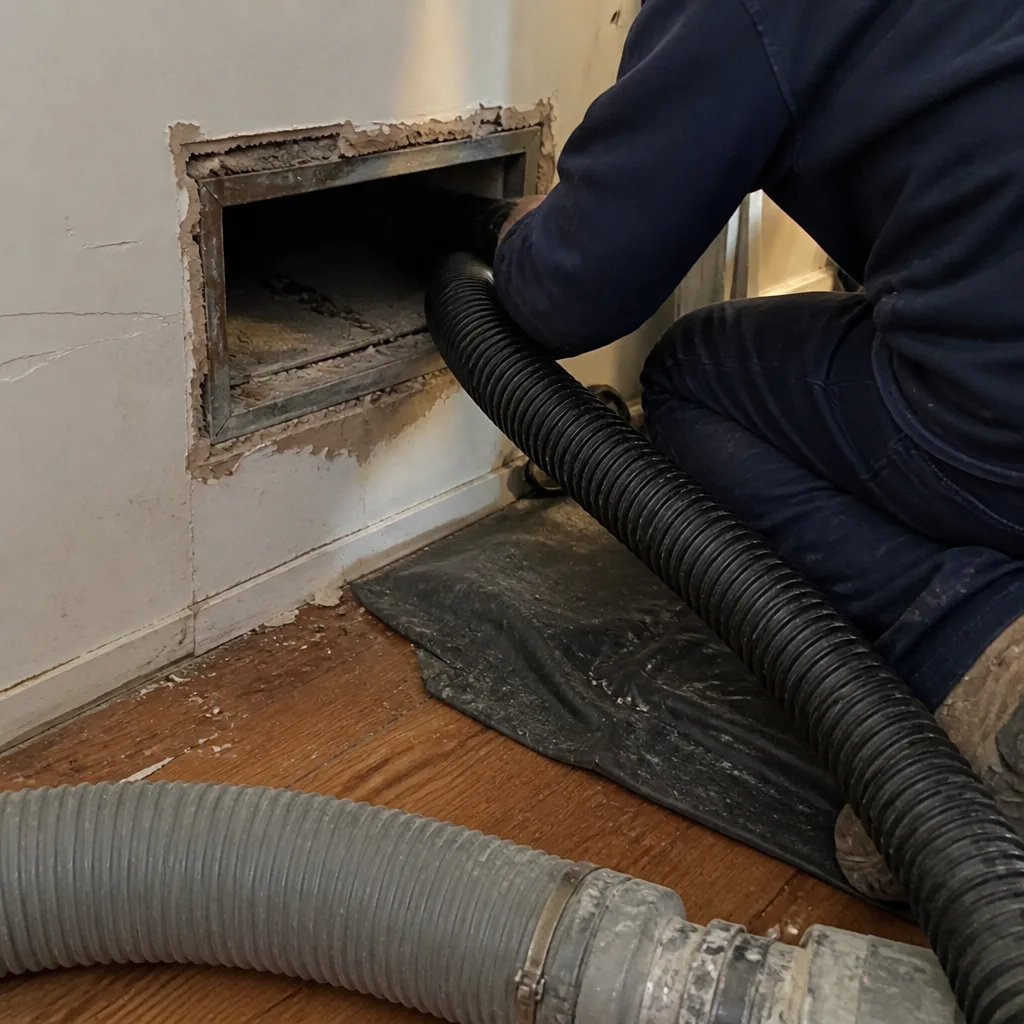 Before
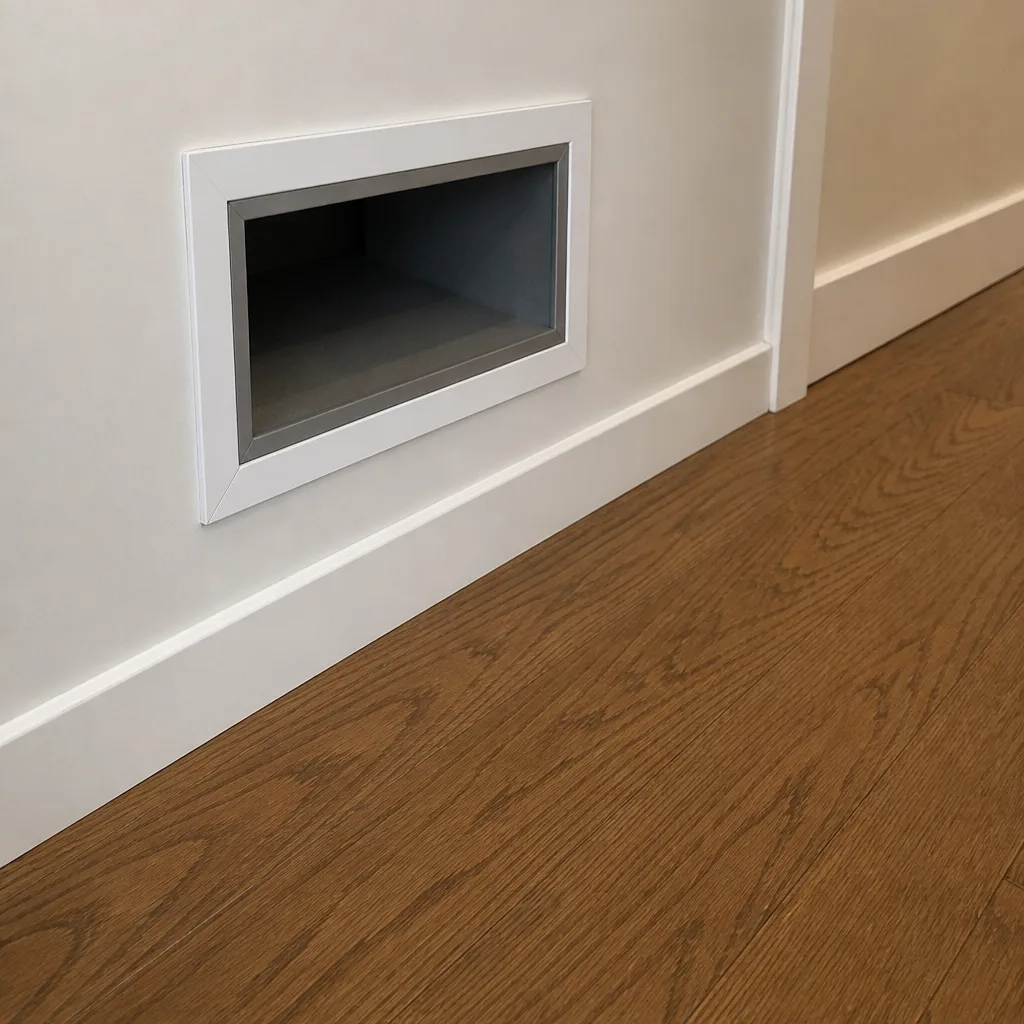 After
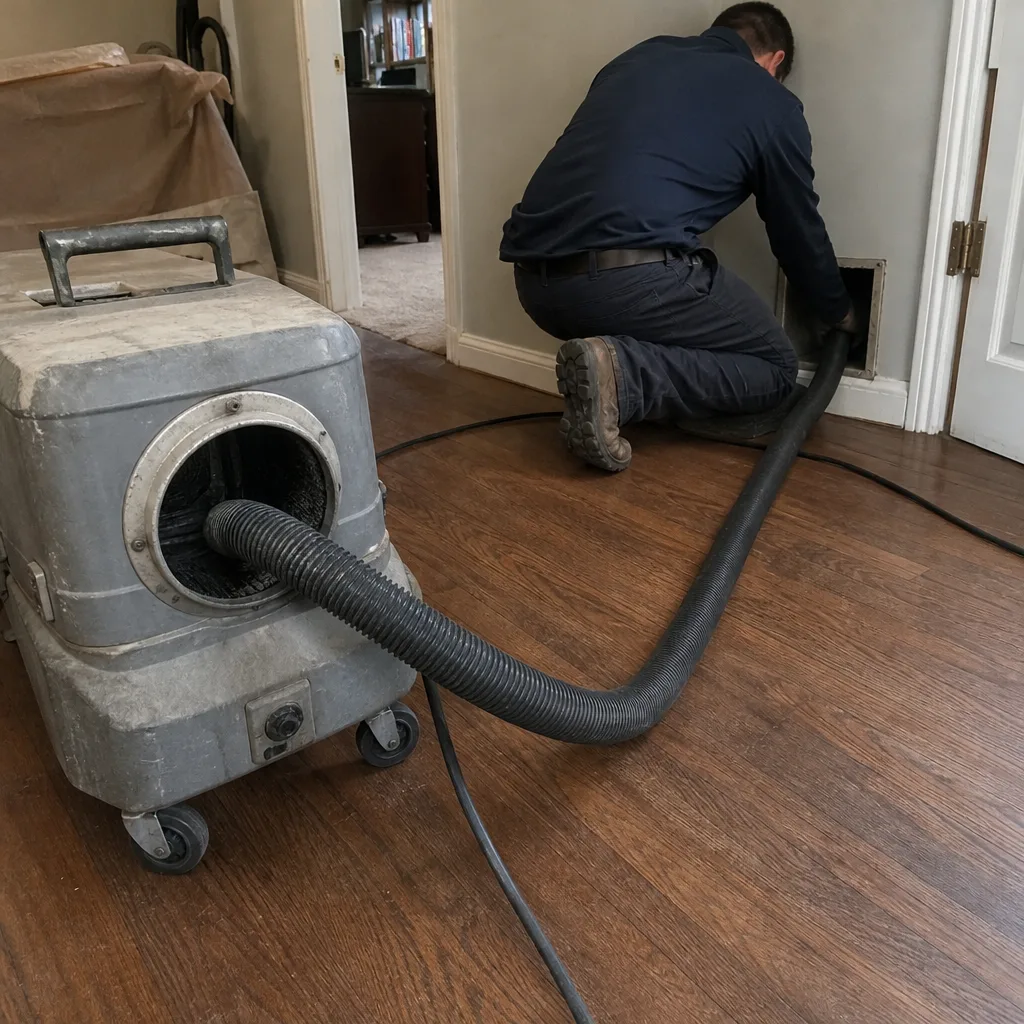 Before
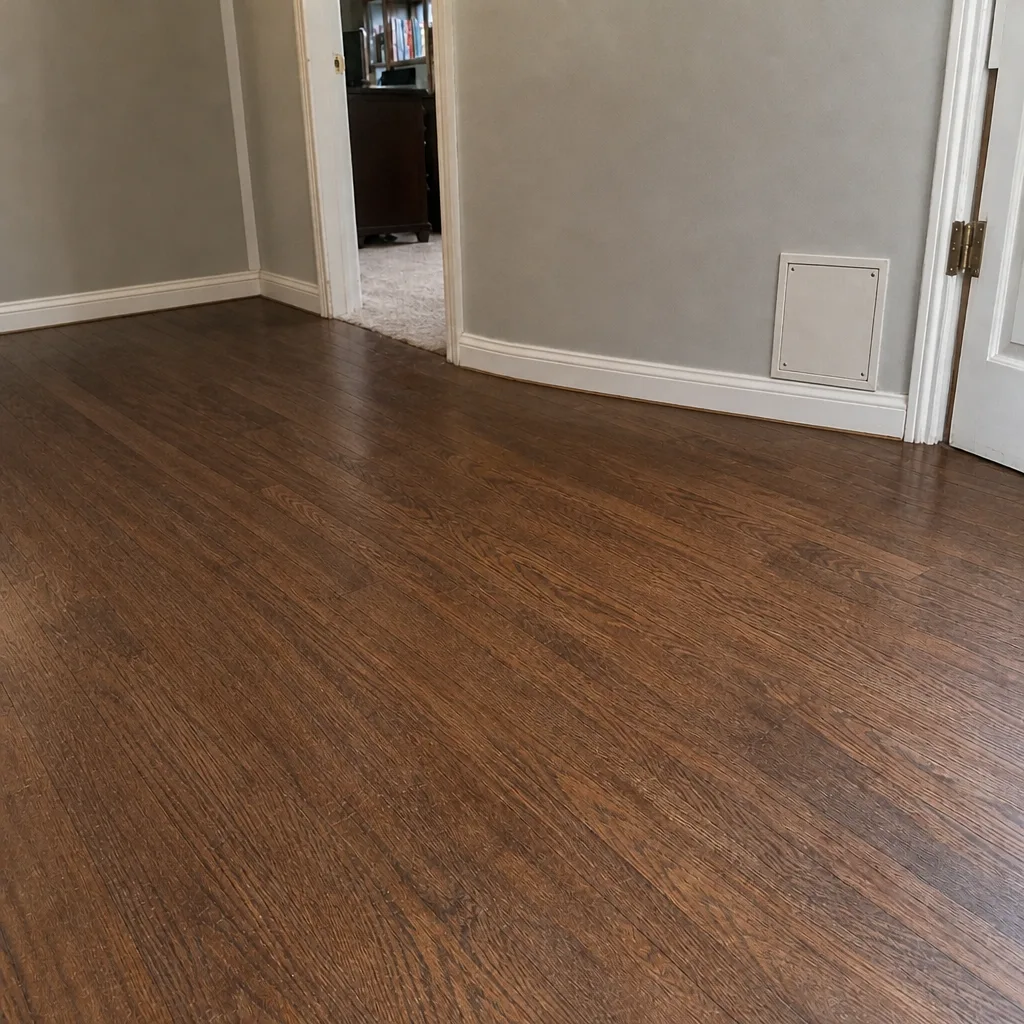 After
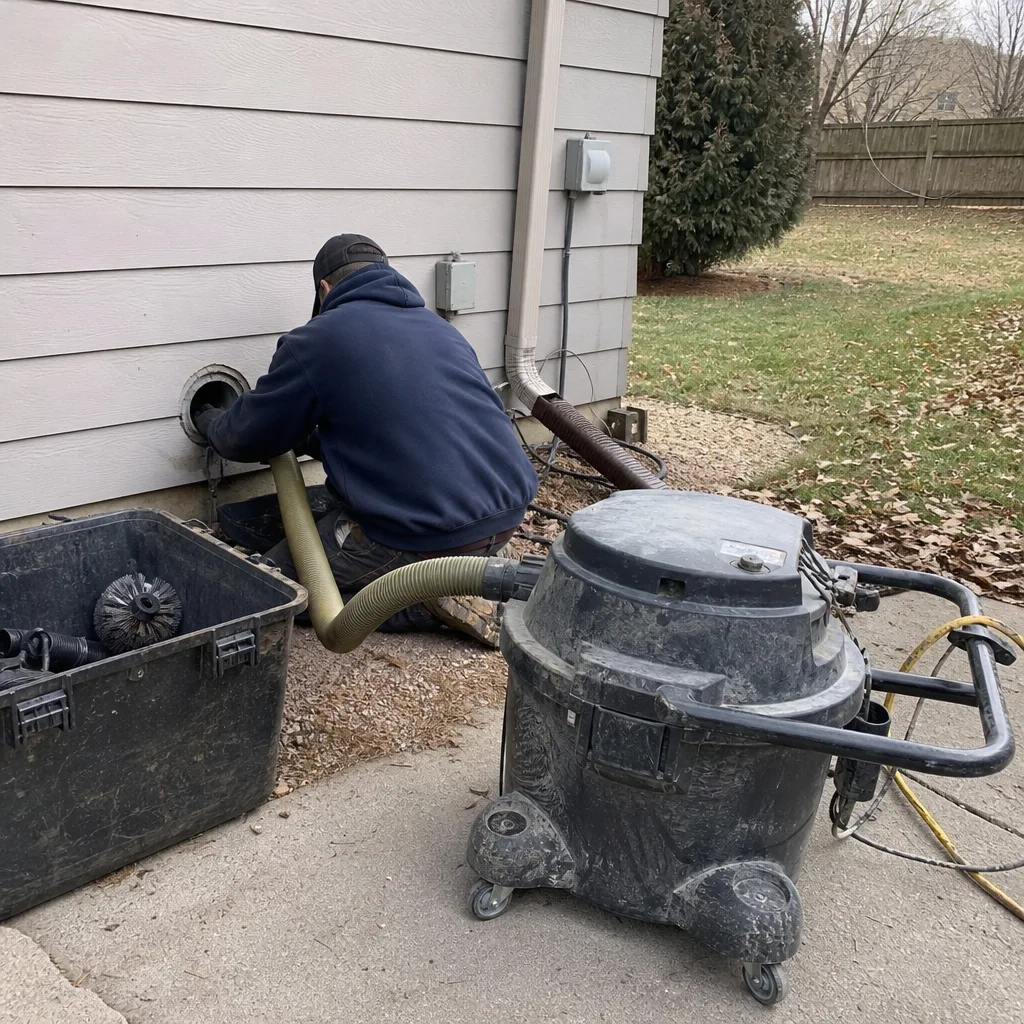 Before
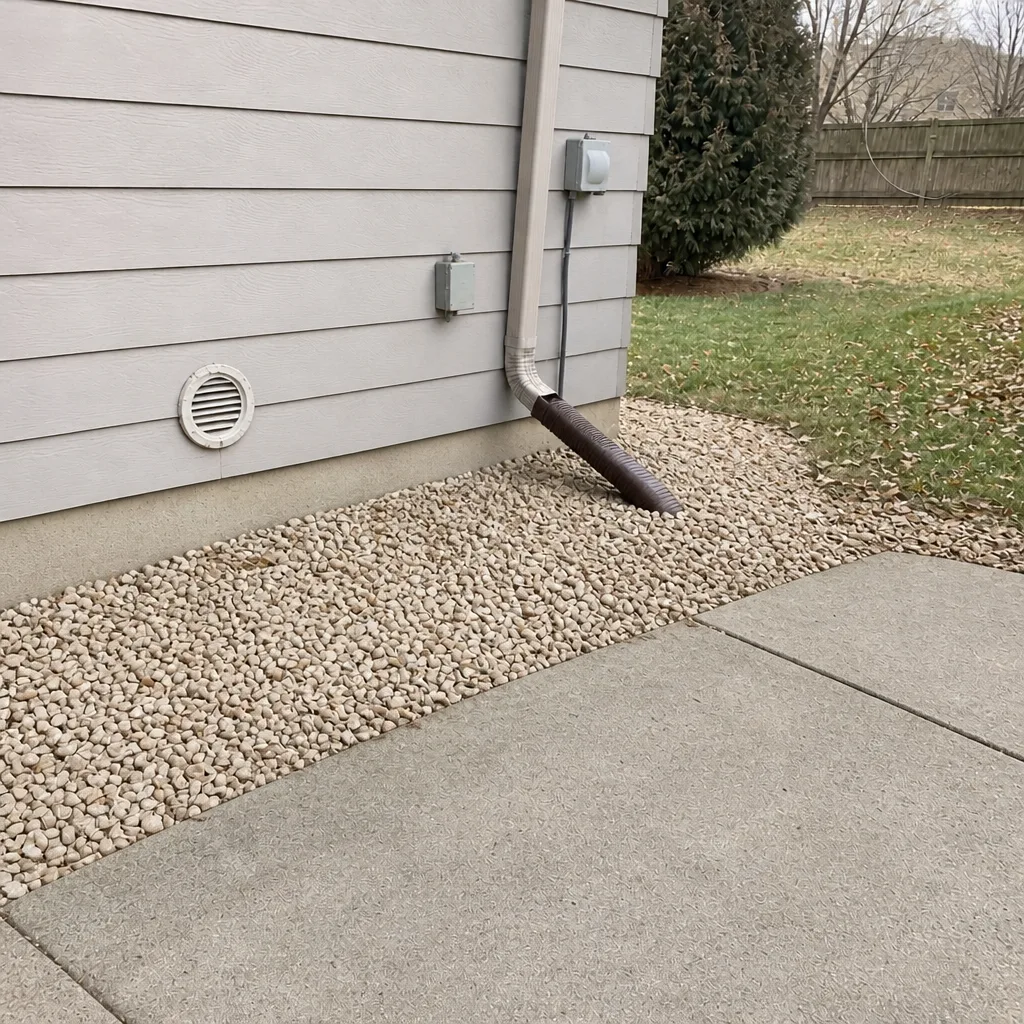 After
When to Call a Professional
You don’t need a professional every time the season changes. You do need one when the signs point to a system-level problem rather than a single dirty filter. Call a professional when dust builds on surfaces within days of a cleaning, when family members with allergies or asthma feel worse indoors, when the system feels stuffy and airflow seems weak, or when you notice a persistent musty smell that doesn’t clear. A dryer that takes two or three cycles to dry a load is another clear signal, since a clogged vent is a fire risk and a performance problem at once. If you’ve recently moved into a Centennial home and don’t know the last time the ducts were cleaned, a professional inspection is worth the call. Duct Cleaning Centennial offers free estimates in Centennial, so the assessment itself costs nothing. Call (888) 597-0329. We answer 24/7. Fast dispatch from 7am to 7pm, Sunday through Friday, and we’re closed Saturday.
Frequently Asked Questions
The best choice is the contractor who can name their equipment brand and model, brings a rotary brush and a HEPA vacuum, cleans both supply and return, and provides before-and-after photos of your own ducts. Use those four criteria before comparing price. A contractor who meets all four is running a professional operation, which matters more than any marketing claim. Duct Cleaning Centennial meets these with Rotobrush rotary brush systems and Nikro HEPA vacuum rigs on every job. Call (888) 597-0329 for a free estimate.
Ask for the brand and model, then check whether it falls into the professional tier. Names like Rotobrush and Nikro indicate rotary brush and HEPA vacuum systems built for the work. A wet/dry shop-vac or a compressed-air-only setup is consumer or light-duty, and it won’t deliver the same extraction. A contractor who knows their equipment can answer in a sentence. One who can’t has given you the answer already.
Cheap quotes usually reflect consumer-grade equipment and a smaller scope, and sometimes a business model that expects to upsell once the technician is on site. Professional rigs cost real money to own and run, so honest pricing reflects actual work and equipment. When a quote seems far too low, ask what equipment is used and whether supply and return are both cleaned. The written estimate should set the final price, so read the scope carefully. Call (888) 597-0329 for a free estimate you can compare against.
Most homes do best with a professional cleaning every few years, more often if there are pets, ongoing construction nearby, or family members with allergies. In Centennial’s dry, dusty climate and long heating season, homes with those conditions tend to need it sooner. There’s no universal schedule, so ask for a camera inspection and let the system’s condition guide you. Call (888) 597-0329 to book an assessment.
Yes, a full clean includes both sides. The supply side is where conditioned air enters rooms, and the return side is where it comes back to the system. Both collect debris, and cleaning one side leaves the other dirty. Ask any contractor this question in your first call. It’s one of the clearest ways to tell a full-service job from a partial one.
Expect sealing of registers and a HEPA vacuum running to maintain negative pressure before the cleaning starts. The technician then works the rotary brush through the system, captures debris with the vacuum, and applies post-treatment like Guardsman products to protect the cleaned surfaces. Before-and-after photos come with the job so you can see the result. For Centennial homes with existing air quality components, technicians can review Aprilaire and Honeywell parts as part of the visit. If you’re ready to book, call (888) 597-0329.
The Bottom Line
Equipment is the most reliable filter you have when choosing an air duct cleaning brand in Centennial. Rotary brush systems like Rotobrush and HEPA vacuums like Nikro represent the professional tier, and contractors who own them can’t offer $49 specials because the math doesn’t allow it. That single fact screens out most bad actors before price becomes the deciding factor. Ask for the equipment brand and model, confirm that supply and return are both cleaned, get a written estimate that sets the final price, and ask for before-and-after photos of your own ducts. Do those four things and you’ve done most of the work. For a closer look at the neighborhoods we work in, see our Centennial page. If you’d rather just have the conversation, call (888) 597-0329. We answer 24/7. Fast dispatch from 7am to 7pm, Sunday through Friday, and we’re closed Saturday. Estimates are free, and our technicians have up to 10 years of experience.
Written by the team at Duct Cleaning Centennial.