
Last updated November 16, 2026
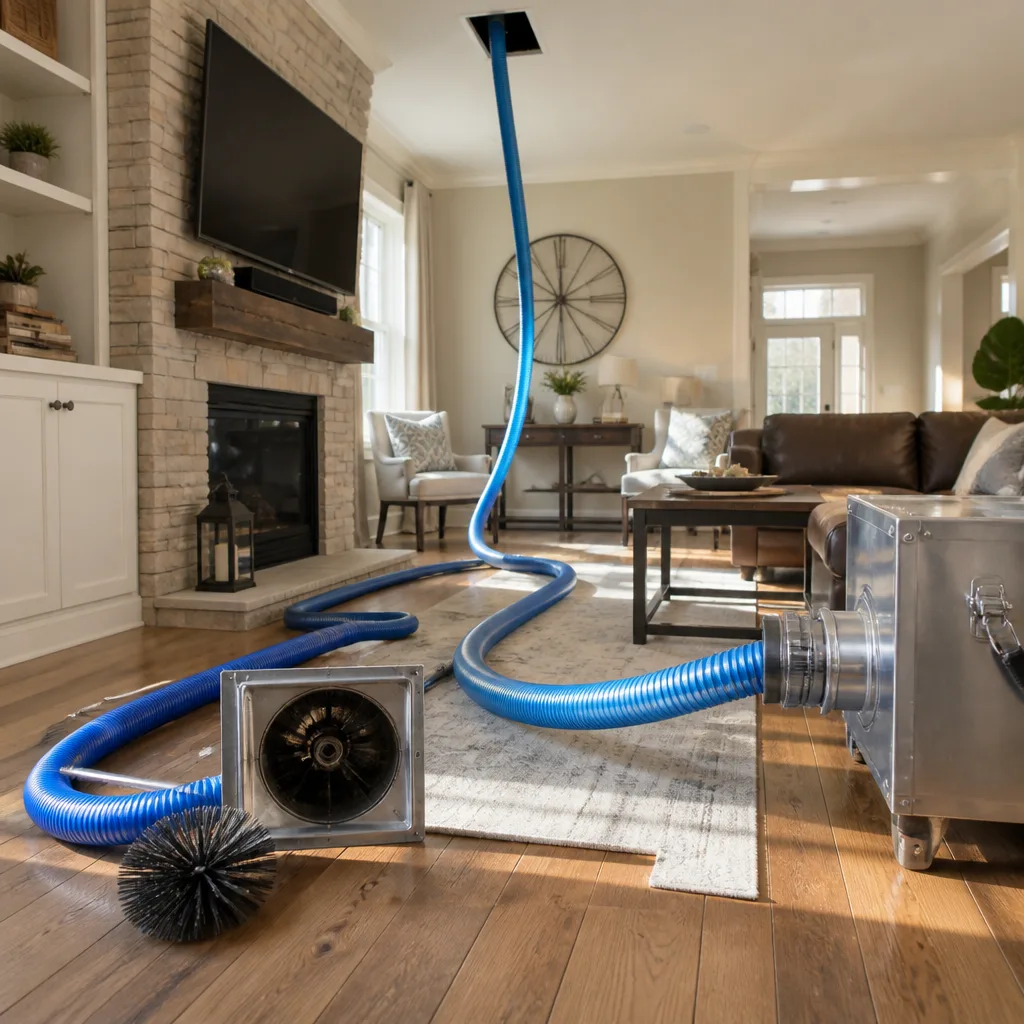 Whole-home duct cleaning
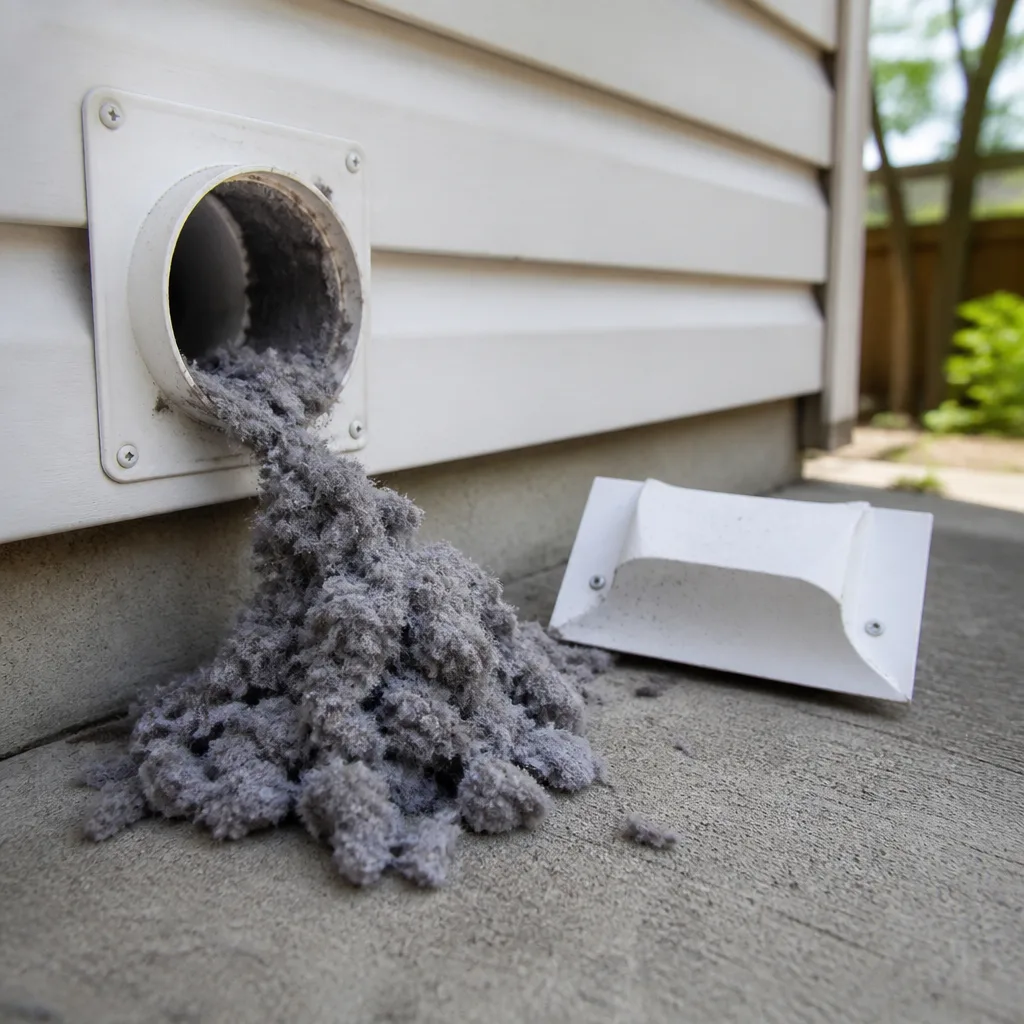 Dryer vent cleaning
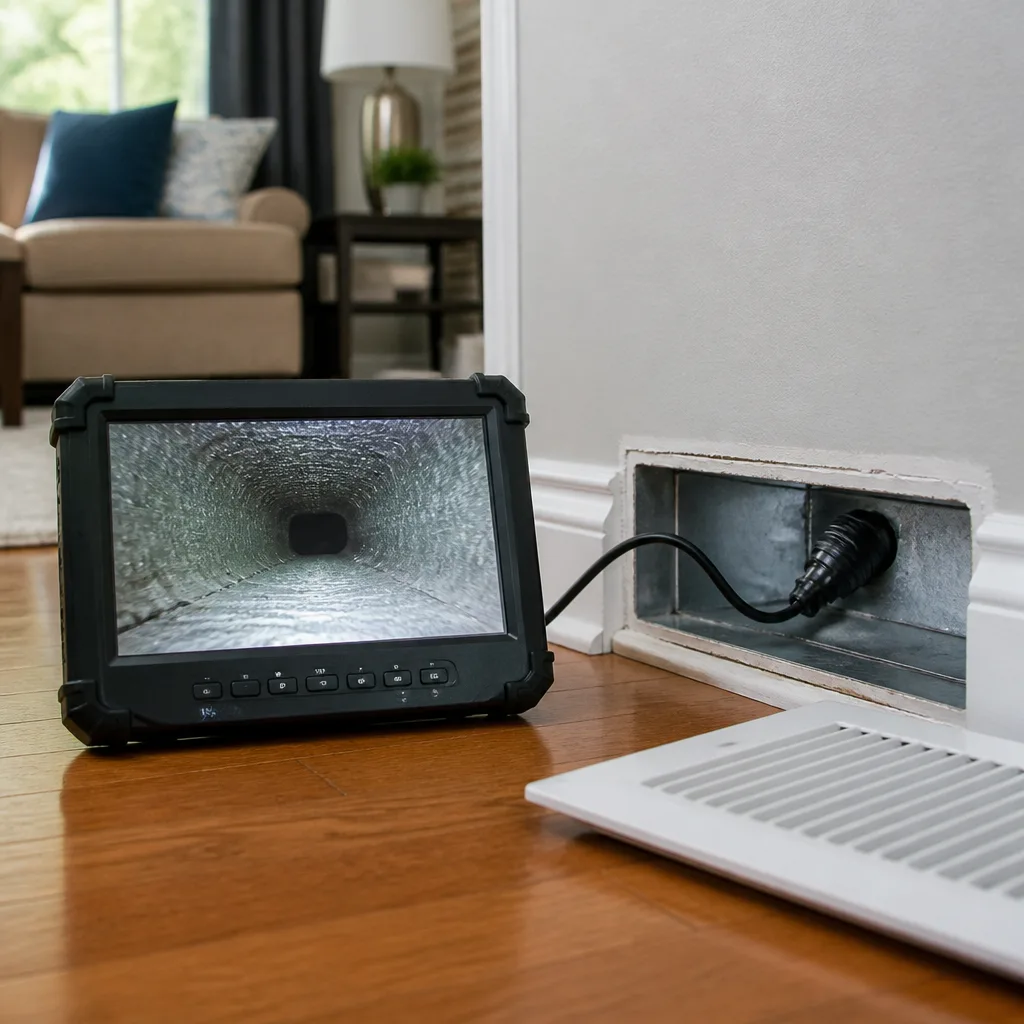 Camera inspection
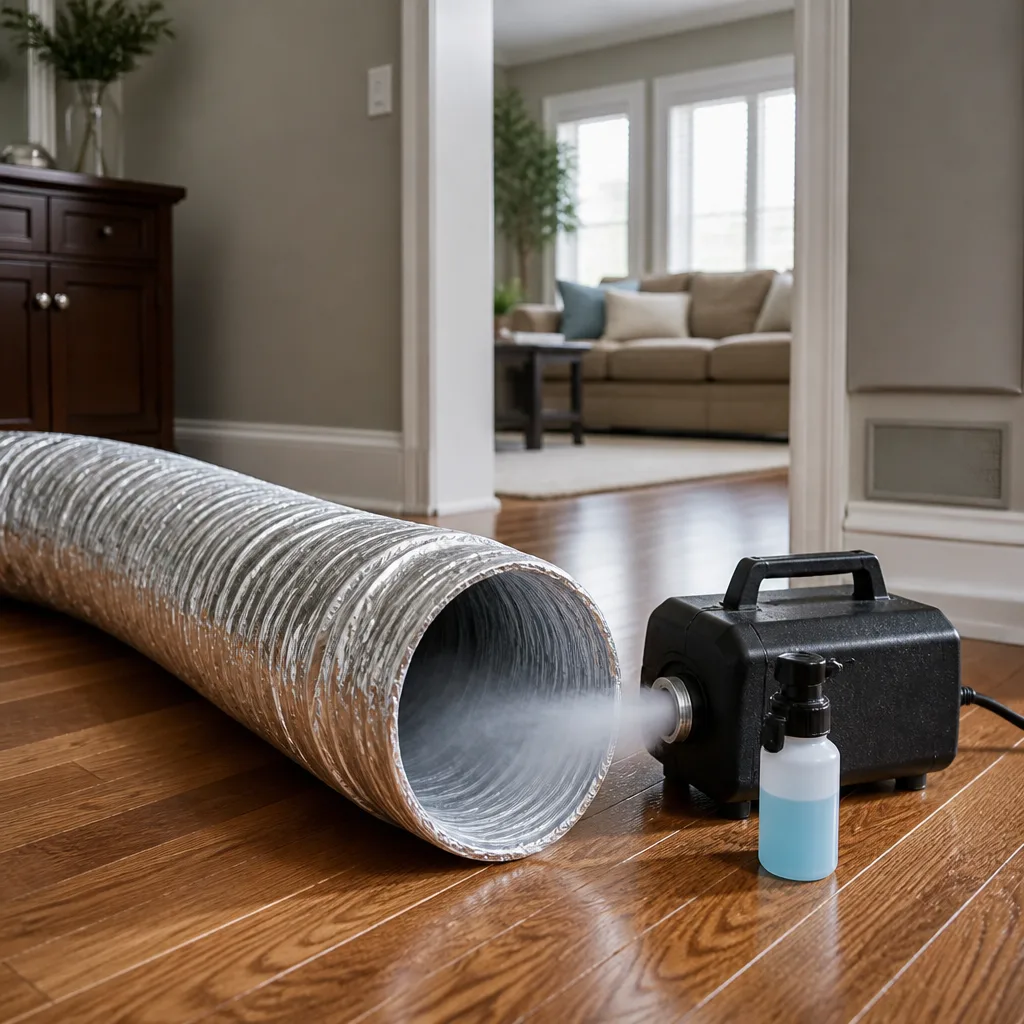 Sanitizing & deodorizing
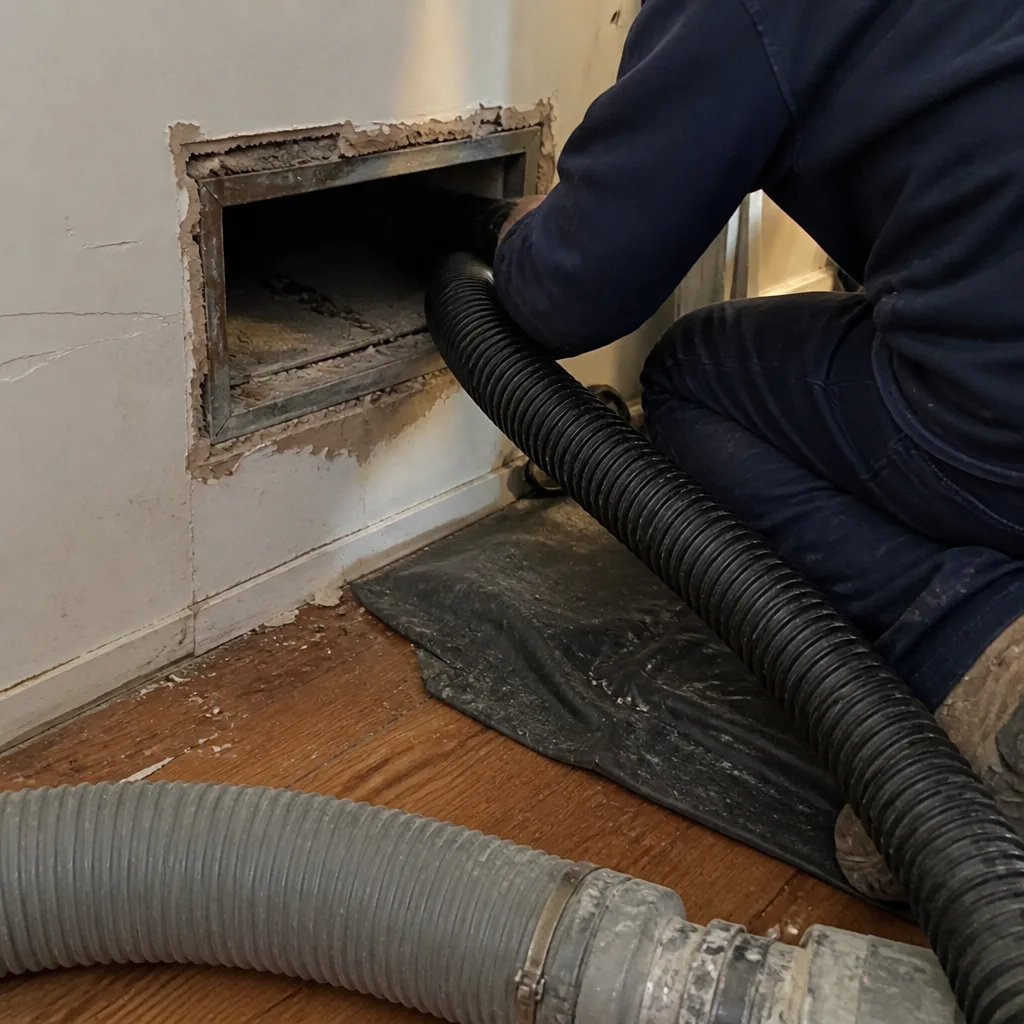
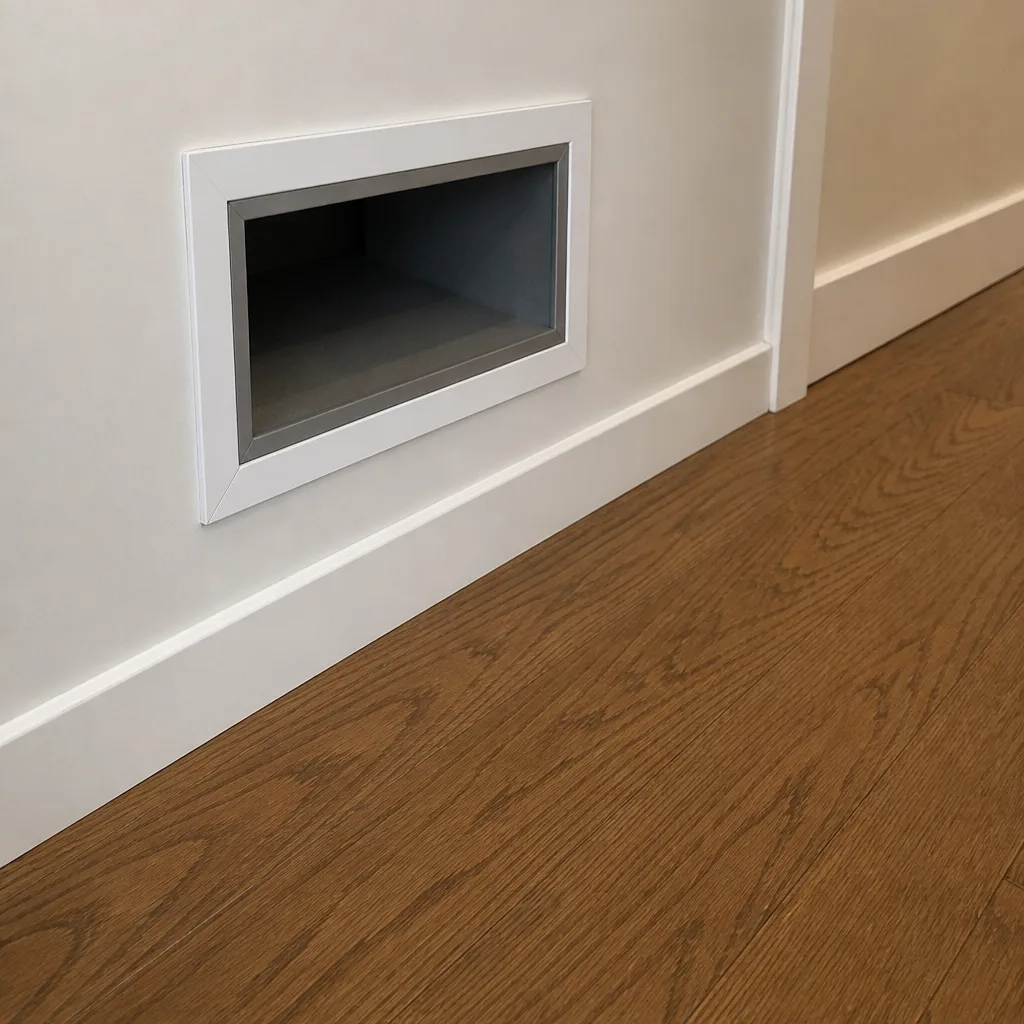
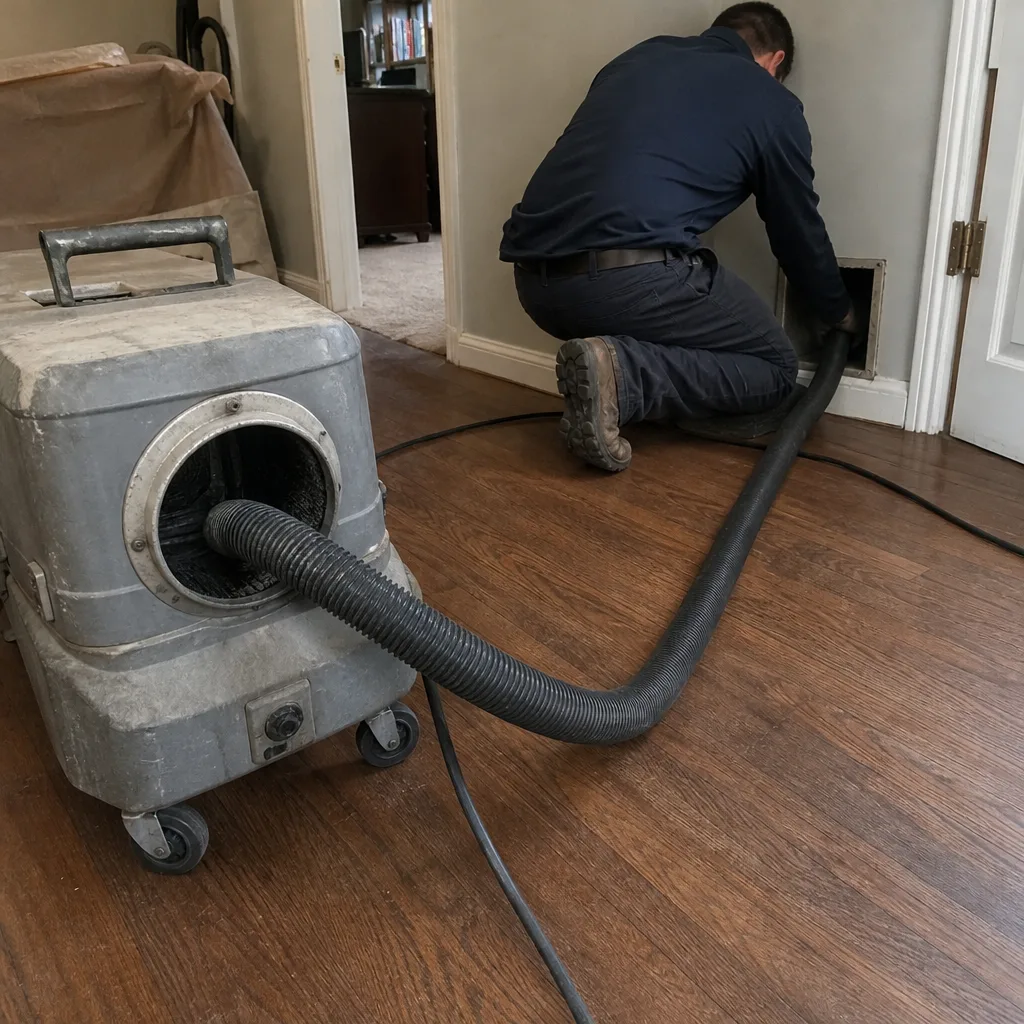
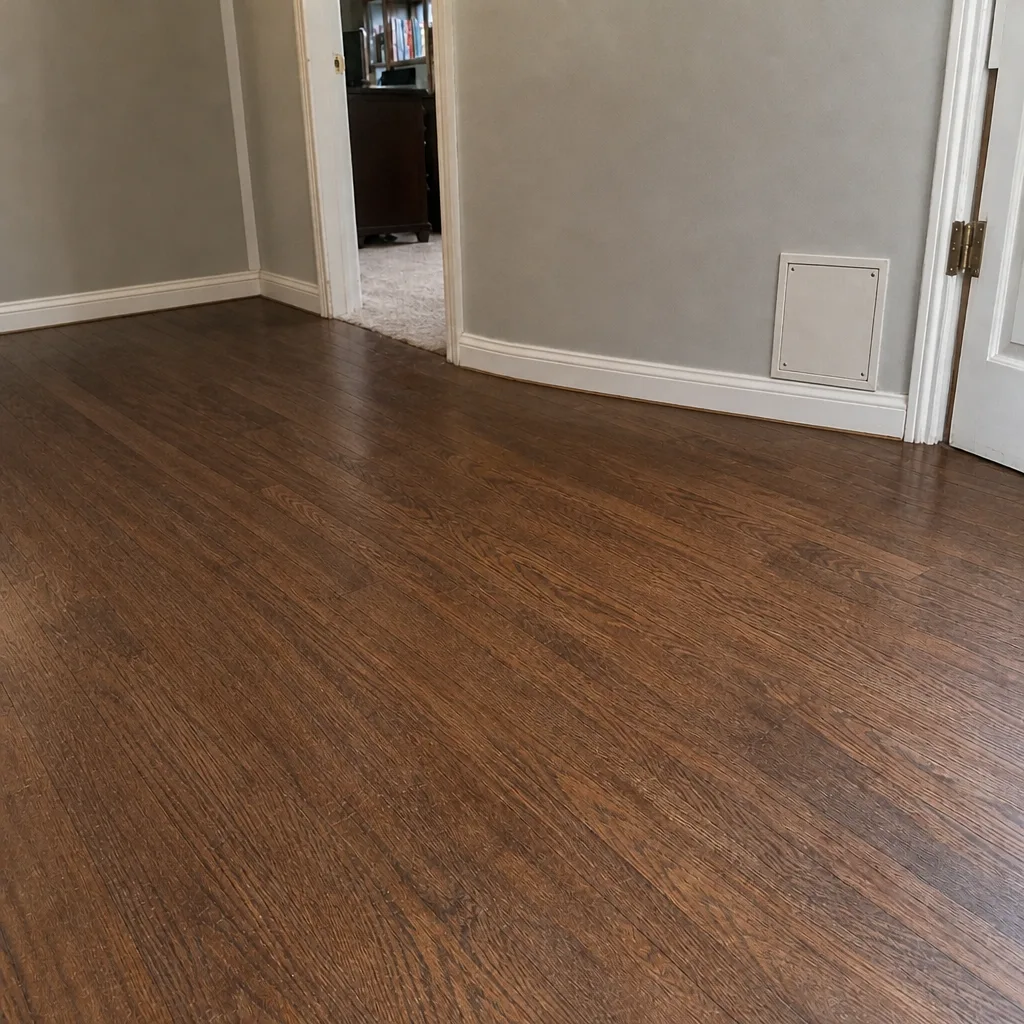
Whole-system duct and dryer vent check with before-and-after photos - you see exactly what came out of your vents
That "$99 whole-house special" is a bait ad - the real number appears once they are in your hallway, or the "clean" is a shop-vac at the register. We photograph the inside of your ducts before and after instead.
Air Duct Cleaning Troubleshooting in Centennial: Common Problems and How to Fix Them
If balancing your registers fixed the airflow problem, it wasn’t a duct problem. If it didn’t, something is physically wrong inside the system, and a shop vac won’t find it. Most homeowners in Centennial troubleshoot the same way: they swap filters, close a few vents, turn the thermostat down, and wait. Sometimes that works. Often it masks a mechanical defect that keeps getting worse behind the drywall. This guide maps specific symptoms to specific duct defects, so you can tell whether you’re looking at a cleaning problem, a repair problem, or both before you call anyone.
Quick Answer
Weak airflow, dusty registers, musty odors, and rising energy bills in Centennial usually trace back to one of four duct defects: excessive debris load, disconnected or collapsed duct sections, failed gaskets and seals at joints, or moisture-driven growth inside the ductwork. Cleaning solves the first. Repair solves the second and third. The fourth needs both. Diagnosing which problem you actually have before booking a service call is the difference between a job that fixes the issue and a job that just moves dust around.
Styles & brands we work with
- Whole-home duct cleaning
- Dryer vent cleaning
- Camera inspection
- Sanitizing & deodorizing
Table of Contents
- Symptom-to-Cause Matrix: What Your Ducts Are Telling You
- How to Tell a Cleaning Problem from a Repair Problem
- How Centennial’s Altitude and Dry Climate Accelerate Duct Problems
- What Camera Inspection Reveals That a Register Check Cannot
- The One Symptom That Almost Always Means Duct Separation
- Dryer Vent Problems That Get Mistaken for HVAC Issues
- What You Can Check Yourself and Where It Stops
- What Professional Air Duct Cleaning Actually Involves
Symptom-to-Cause Matrix: What Your Ducts Are Telling You
Duct problems announce themselves through symptoms long before they cause a system failure. The trick is matching the symptom to the right cause, because the wrong diagnosis leads to the wrong service. Here’s how the common complaints map to actual duct defects we’ve seen in Centennial homes.
- Weak airflow from every register. Usually a debris load restricting the main trunk, or a blower trying to push air through a partially collapsed flex duct. If airflow is weak everywhere, suspect the trunk line. If it’s weak in one zone, suspect a branch line.
- Dusty registers, dust settling on furniture shortly after cleaning. Excessive debris load inside the ducts, often combined with failed seals at the register boots letting air bypass the filter. The dust has to come from somewhere. Registers that go grey within days of wiping are telling you the supply side is dirty.
- Musty or stale odors when the system starts. Moisture inside the ductwork. In Centennial’s dry climate, this usually means a leak is letting water in, not ambient humidity. Look for poorly sealed joints near bathrooms, kitchens, or anywhere a duct passes through an unconditioned space.
- Rising energy bills with no change in usage. Leaky joints and disconnected sections. A system losing a meaningful share of its conditioned air to the attic or crawl space runs longer to hit the same setpoint. The bill climbs, the house doesn’t get more comfortable.
- Rooms that were once comfortable going chronically cold or hot. Duct separation. More on this below, because it’s the symptom most often misread as a balancing issue.
- Dryer taking two cycles to finish a load. A clogged dryer vent, not an HVAC problem at all. It gets lumped in with duct troubleshooting constantly.
Notice that none of these symptoms tell you whether you need cleaning or repair on their own. That’s the next step.
How to Tell a Cleaning Problem from a Repair Problem
This distinction saves homeowners a wasted service call, and it’s the question we get asked most often in Centennial. Cleaning addresses debris. Repair addresses the physical integrity of the duct system. They’re different jobs, sometimes done by different equipment, and booking the wrong one means paying for work that doesn’t solve the problem.
Here’s a straightforward way to think it through:
- Does the problem affect the whole house or one area? Whole-house symptoms (weak airflow everywhere, dust throughout) point to cleaning. One-zone symptoms point to a branch line defect, which is a repair.
- Did the problem appear gradually or suddenly? Gradual decline over months is usually debris accumulation. Sudden change often means a duct came loose, which is a repair.
- Is there visible dust at the registers or debris falling out? Visible debris is a cleaning signal. No visible debris but poor performance is a repair signal.
- Does the system smell musty only when running? That’s a cleaning-and-inspection signal. Moisture inside ducts needs the source found, not just the duct cleaned.
- Have you had the ducts cleaned before and the problem returned? If cleaning didn’t hold, the cause was never debris. It’s a leak or a separation letting new debris in.
When in doubt, a professional camera inspection settles it. More on that shortly. The point is that a homeowner who can describe their symptom accurately gets a faster, more accurate assessment, and that’s a service call that goes somewhere useful.
How Centennial’s Altitude and Dry Climate Accelerate Duct Problems
Centennial sits at roughly 5,900 feet, and the altitude and dry air do more to duct systems than most homeowners realize. Two specific forces are at work here, and both shorten the lifespan of duct components compared to lower, more humid climates.
Static buildup. Dry air holds very little moisture, and low humidity means static electricity accumulates on duct surfaces. That static charge attracts and holds fine dust particles that would otherwise stay suspended and get filtered out. Over time, the interior of the ductwork coats more heavily than it would in a humid climate, and that coating is harder to remove. It’s one reason duct cleaning in a dry, high-altitude climate can be more involved than the same job at sea level.
Gasket shrinkage at joints. The flexible gaskets and seals that join duct sections rely on some ambient moisture to stay supple. In Centennial’s dry air, those gaskets dry out and shrink. A shrunken gasket opens a gap at the joint, and that gap leaks conditioned air, pulls in attic dust, and creates exactly the kind of pressure imbalance that makes one room run cold. This is one of the most common defects we find, and it’s almost invisible without a camera.
Temperature cycling. The swing between cold nights and warm days stresses metal ductwork and flexible connections. Expansion and contraction work seals loose over time. Add dry air and you get the perfect conditions for leaky joints.
None of this means Centennial homes are doomed to duct problems. It means the local climate makes certain defects more likely, and knowing which ones to watch for helps you troubleshoot accurately instead of guessing.
What Camera Inspection Reveals That a Register Check Cannot
A register check tells you what’s happening at the end of the duct. A camera inspection tells you why. That difference matters, because the register only shows you the last few inches of a system that runs through walls, ceilings, and unconditioned spaces you’ll never see otherwise.
Here’s what a professional camera inspection can reveal that a visual register check misses:
- Collapsed flex duct. Flexible ductwork can sag, kink, or crush where it bends around a corner or rests on a joist. From the register, airflow just looks weak. From inside, the duct is visibly pinched shut.
- Disconnected joints deep in the run. A duct section that’s come apart behind a wall or in the attic leaks conditioned air into an unconditioned space. No register check will tell you this. The camera shows the gap directly.
- Mold and moisture growth. Moisture inside a duct usually starts at a leak or a poorly sealed joint. The camera identifies where the water is getting in, which is information no amount of register-wiping can produce.
- Debris type and distribution. Drywall dust, construction debris, pet hair, and general accumulated dust behave differently and require different cleaning approaches. Camera footage shows which one you’re dealing with and how far it extends.
- Excessive debris load in the trunk. A trunk line filled with debris restricts airflow to every branch downstream. The camera shows the load before cleaning, and good practice is to show it again after, so you can see the difference.
When is camera inspection worth requesting? Any time the symptom is in one zone only, any time a home has had recent renovation work, and any time the ducts have been cleaned before but the problem returned. Professional-grade equipment makes the difference here. We run Rotobrush rotary brush systems and Nikro HEPA-vacuum rigs specifically because they let us see and extract what a shop vac never could.
The One Symptom That Almost Always Means Duct Separation
Pay attention to this one, because it’s the symptom homeowners most often misdiagnose. A room that used to be comfortable and is now chronically cold or hot in a way that airflow balancing doesn’t fix is almost always a duct separation problem, not a dirt problem.
Here’s why. Airflow balancing adjusts how much air reaches each register. It assumes the duct delivering that air is intact. If a duct has separated at a joint, that section is no longer delivering air to the room at all. It’s dumping it into an attic, a crawl space, or a wall cavity. You can open the register fully and it won’t help, because the air is leaving the system before it arrives.
Three clues distinguish duct separation from a balancing issue:
- The room was comfortable before. A room that was never right might be a design problem. A room that changed is a physical defect.
- Balancing the register doesn’t help. If opening the register fully makes no difference, the air isn’t reaching the register.
- The system runs longer but the room still doesn’t warm or cool. A separated duct wastes conditioned air, so the system runs longer without delivering results. You’ll often see this in the energy bill before you figure out what’s happening.
This is a repair, not a cleaning. It needs a technician to find the separation, reconnect or replace the section, and reseal the joint. Cleaning the ducts afterward makes sense once the physical fix is done, since a separated duct has likely been pulling in attic dust the entire time. But cleaning alone won’t solve it, and no amount of register adjustment will either.
Dryer Vent Problems That Get Mistaken for HVAC Issues
Not every duct problem is an air duct problem. Dryer vents share the same general category and produce symptoms homeowners regularly mistake for HVAC trouble, and the fix is different equipment and a different service. Getting the diagnosis right matters for safety as much as for performance.
Common symptoms that trace back to the dryer vent rather than the HVAC ducts:
- Clothes taking two cycles to dry. A partially clogged dryer vent restricts airflow, which means the dryer can’t remove moisture efficiently. This is the most common symptom, and it almost never has anything to do with the furnace or AC.
- The dryer or the wall behind it feels hot. Restricted airflow causes heat buildup. This is worth taking seriously because a clogged dryer vent is a genuine fire risk, and the heat is the warning sign.
- Lint accumulating around the vent termination outside. Visible lint buildup at the exterior vent tells you the interior run is loading up with lint that isn’t escaping.
- Musty smell in the laundry room. Moisture trapped in a clogged vent, not a drainage issue, and not a duct cleaning issue either.
Dryer vent cleaning removes the clog with proper extraction equipment, and it’s a distinct service from air duct cleaning. In Centennial’s dry climate, dryer vent lint loads up quickly, and a vent that’s been neglected for years is worth having inspected professionally rather than probed with a shop vac and a coat hanger. We handle dryer vent cleaning as one of our three core services, with the extraction equipment to prove the clog is actually gone. Learn more about dryer vent cleaning if this symptom sounds familiar.
What You Can Check Yourself and Where It Stops
Some duct troubleshooting is safe and useful for a homeowner to do. Some isn’t, and knowing the line protects both your system and your safety. Here’s what’s reasonable to check yourself, and where to hand it off.
Safe for you to check:
- Replace the air filter and confirm it’s the right size and MERV rating for your system.
- Remove a register cover and look inside the visible duct end with a flashlight for obvious debris or a disconnected boot.
- Check that registers are open and unobstructed by furniture or rugs.
- Feel for airflow at each register with your hand, and note which registers are weak versus strong.
- Look at the exterior dryer vent flap and check for lint buildup around it.
- Note when symptoms appear (only when the system runs, only in one room, only after a filter change) so you can describe them accurately.
Where it stops: anything beyond the visible duct end. Do not open ductwork behind walls or ceilings, do not attempt to reconnect separated duct sections yourself, and do not probe deep into a duct with improvised tools. Duct runs share spaces with electrical wiring, gas lines, and insulation, and a wrong move in those spaces is a genuine hazard. If your system involves a gas furnace, leave anything near the combustion side to a trained professional. The same goes for any duct work in an attic or crawl space where the footing is uncertain.
The honest truth is that the defects that matter most, collapsed flex duct, disconnected joints, gasket shrinkage, are all invisible from the homeowner side. That’s not a limitation of your ability. It’s a limitation of what a register check can show. Knowing when to stop checking and call in a camera inspection is the smart move.
What Professional Air Duct Cleaning Actually Involves
Homeowners skeptical of cheap coupon services ask a fair question: what does a real duct cleaning actually involve, and how would I know the difference? Here’s the process, step by step, so you can compare it against any quote you receive.
- Assessment before cleaning. A professional checks the system layout, identifies the trunk and branch runs, and notes any visible defects. If a duct is separated or collapsed, cleaning first and repairing later is out of order. The defect gets identified first.
- Containment and negative pressure. The cleaning equipment creates negative pressure in the duct system so dislodged debris gets extracted rather than blown into the living space. Nikro HEPA-vacuum rigs are built for this, and it’s the difference between contained removal and a dust cloud.
- Mechanical agitation of the duct interior. A rotary brush system physically scrubs the duct walls. Rotobrush equipment is the standard here, and it reaches the full interior surface, not just the loose debris a vacuum alone would pull.
- Extraction of the loosened debris. The HEPA vacuum pulls the agitated material out of the system. This is the step where equipment quality separates a real clean from a surface pass.
- Post-cleaning treatment. Guardsman products are applied to protect the duct surfaces after cleaning. This is a longevity step, not a cosmetic one, and it’s the difference between a clean that holds and one that doesn’t.
- Before-and-after verification. A professional shows you the before-and-after condition of your own ducts, usually with camera footage. If a company won’t show you the evidence, that tells you something.
Homes with air quality concerns get an additional layer. Abatement Technologies air-scrubbing equipment addresses the IAQ side of the job, and familiarity with Aprilaire and Honeywell components matters if your home already has air quality systems installed. The duct system is the delivery mechanism for everything the air quality equipment does, so cleaning it is where the result actually starts. For the full picture of what our air duct cleaning service covers, the process is laid out in detail.
One flat price per system, agreed before work starts, with before-and-after photos of your own ducts. That’s the standard we hold to, and it’s the answer to the bait-and-switch reputation this industry has earned.
Common Mistakes to Avoid
- Booking a cleaning when the problem is a repair. Weak airflow in one room after a duct separation won’t improve with cleaning. Get the cause diagnosed first, or you’ll pay for a job that doesn’t address the issue.
- Assuming a cheap coupon price reflects the full cost. A low advertised number that grows into a much larger invoice once the technician is on site is the pattern to watch for. Ask for one flat price per system in writing before anything starts.
- Ignoring a dryer vent that’s taking two cycles. Heat buildup from restricted airflow is a real fire risk. In Centennial’s dry climate, lint loads up quickly, and a vent that’s been ignored for years needs professional extraction, not a surface pass.
- Trusting a visual register check to rule out a duct defect. The defects that matter most, collapsed flex duct, disconnected joints, gasket shrinkage, are all invisible from the register end. A camera inspection is the only way to see them.
- Cleaning ducts before finding the moisture source. If ducts smell musty, moisture is getting in somewhere. Cleaning without fixing the leak means the problem returns, and you’ve paid twice.
- Assuming dry air means no moisture problems. Centennial’s dry climate makes gaskets shrink, which opens joints, which lets water and dust in. Dry air doesn’t prevent duct problems. It creates a different set of them.
- Skipping the before-and-after evidence. If a company can’t show you the condition of your own ducts before and after the job, you have no way of knowing the work was done. Ask for photos and camera footage as part of the service.
See the difference
 Before
 After
 Before
 After
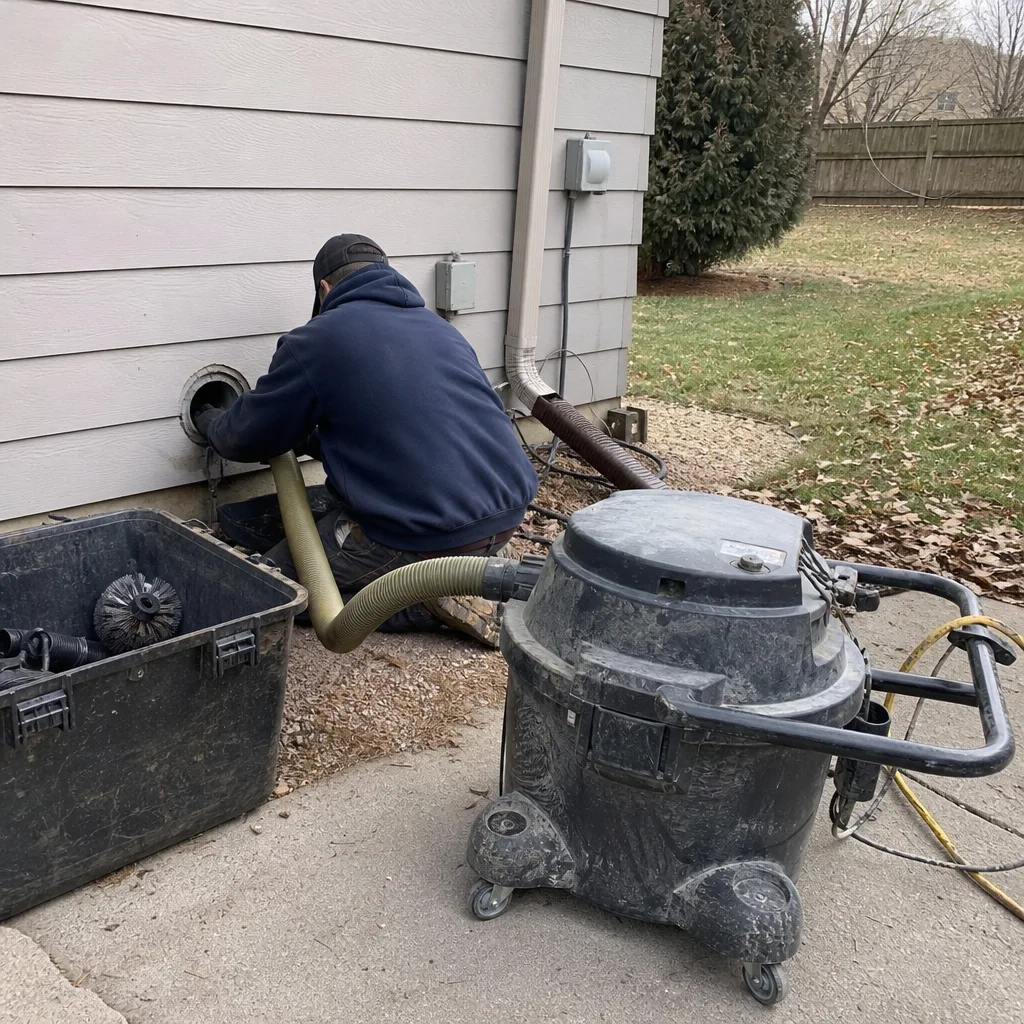 Before
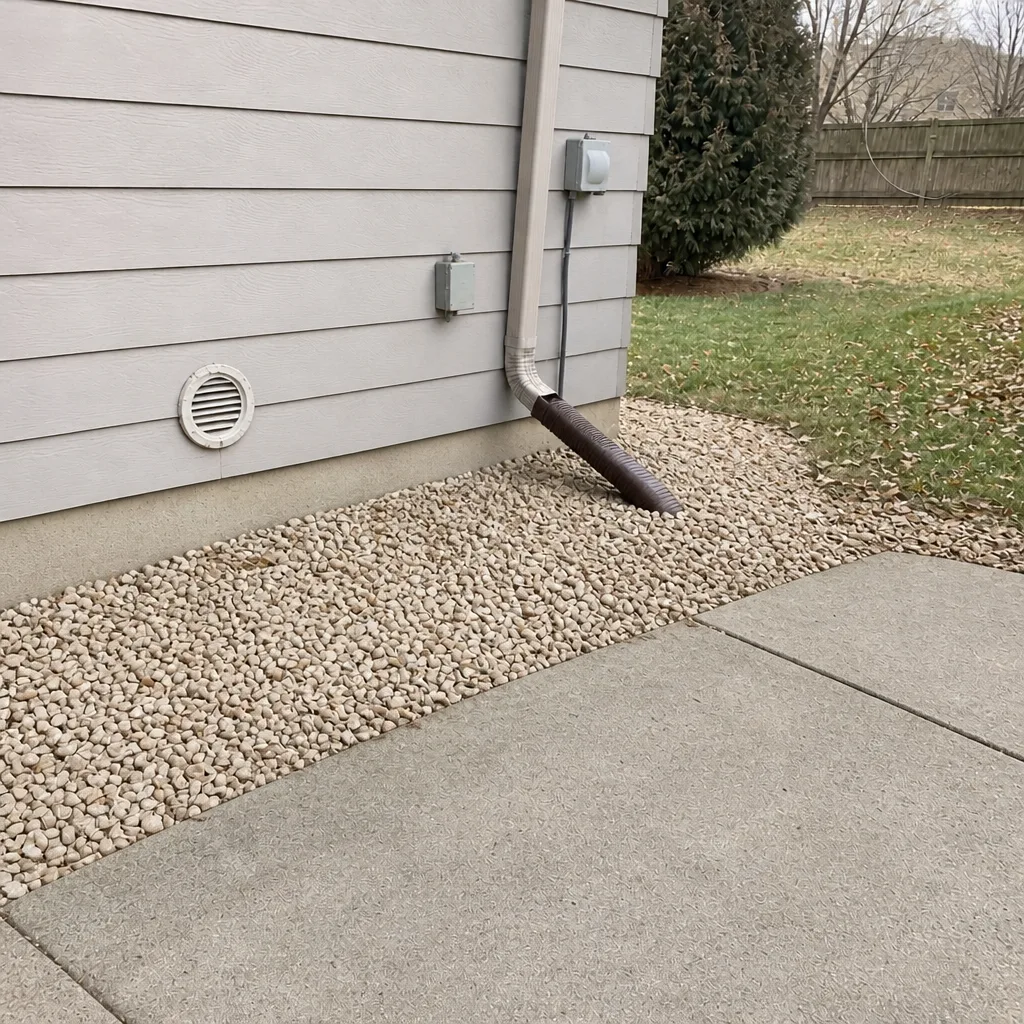 After
When to Call a Professional
Some duct problems are worth diagnosing yourself, and some clearly aren’t. Call a professional if you’re seeing any of the following: a room that was once comfortable is now chronically cold or hot and register balancing doesn’t fix it; airflow is weak systemwide even after a fresh filter; there’s a persistent musty smell when the system runs; dust settles on furniture within days of cleaning; the energy bill has climbed with no change in usage; or the dryer takes two cycles to finish a load. In any of these cases, a professional camera inspection settles the question faster than any amount of home troubleshooting. Call (888) 597-0329. We answer 24/7. Fast dispatch from 7am to 7pm, Sunday through Friday. Estimates are free and the price is set per job in writing.
Frequently Asked Questions
Cost depends on the size of the system, the number of vents, and whether repair work is involved, so a quote comes from a written estimate after an assessment rather than a published number. What you should insist on is one flat price per system, agreed before work starts, with no per-vent charges added later. Call (888) 597-0329 for an exact quote. Estimates are free.
Cheap quotes usually reflect light equipment, surface-level work, or a low teaser number that grows once the technician is on site. Real cleaning requires mechanical agitation and HEPA extraction, which costs more to run than a vacuum pass, and a company that owns that equipment prices accordingly. Ask what equipment will be used and whether you’ll get before-and-after photos. Then compare. Call (888) 597-0329 for a straight estimate.
Before-and-after photos and camera footage of your own duct system are the answer, and a professional should provide them without being asked. If you can see the duct interior before and after, you don’t have to take anyone’s word for it. We build that verification into every job. Call (888) 597-0329 with questions.
There’s no fixed schedule, because the right interval depends on the home, the duct condition, and what’s getting pulled into the system. Homes with pets, recent renovation dust, or dry-air static buildup in a climate like Centennial’s tend to need it more often. If your ducts have been cleaned and the symptom returns, suspect a repair issue before booking another clean. Call (888) 597-0329 for an assessment.
Weak airflow in one room is almost always a repair problem, not a cleaning problem. A single branch line that’s collapsed, disconnected, or leaking won’t be fixed by cleaning the rest of the system. If that room was once comfortable and register balancing doesn’t help, you’re looking at duct separation. Call (888) 597-0329 to get it diagnosed.
Yes, in two specific ways. Low humidity at altitude raises static buildup inside ducts, which pulls fine dust onto duct surfaces, and the dry air shrinks the gaskets that seal duct joints. Both make leaks and debris loads more likely than in a humid climate. A camera inspection in a Centennial home is often the fastest way to see what’s actually going on. You can read more about the local service area at Centennial.
The Bottom Line
Most duct complaints in Centennial trace back to identifiable causes, and the hard part is diagnosis, not treatment. Weak airflow systemwide is usually debris. Weak airflow in one room after balancing is usually separation. Musty smells mean moisture. Rising bills mean leaks. Matching the symptom to the defect is what decides whether you need cleaning, repair, or both, and it’s the step worth getting right before anything gets booked. Get the diagnosis, insist on one flat price per system agreed in writing, and ask to see the before-and-after evidence of your own ducts. That’s the whole game.
Duct Cleaning Centennial handles air duct cleaning, dryer vent cleaning, and air duct repair, and nothing else. That narrow scope means the technician who arrives has seen every duct configuration a home can throw at them. Our technicians have up to 10 years of experience, and we run professional-grade Rotobrush and Nikro equipment on the job. Call (888) 597-0329 for a free estimate. We answer 24/7. Fast dispatch from 7am to 7pm, Sunday through Friday. Closed Saturday. For the full picture of who we are, start at Duct Cleaning Centennial.
Written by the team at Duct Cleaning Centennial.