
Last updated November 16, 2026
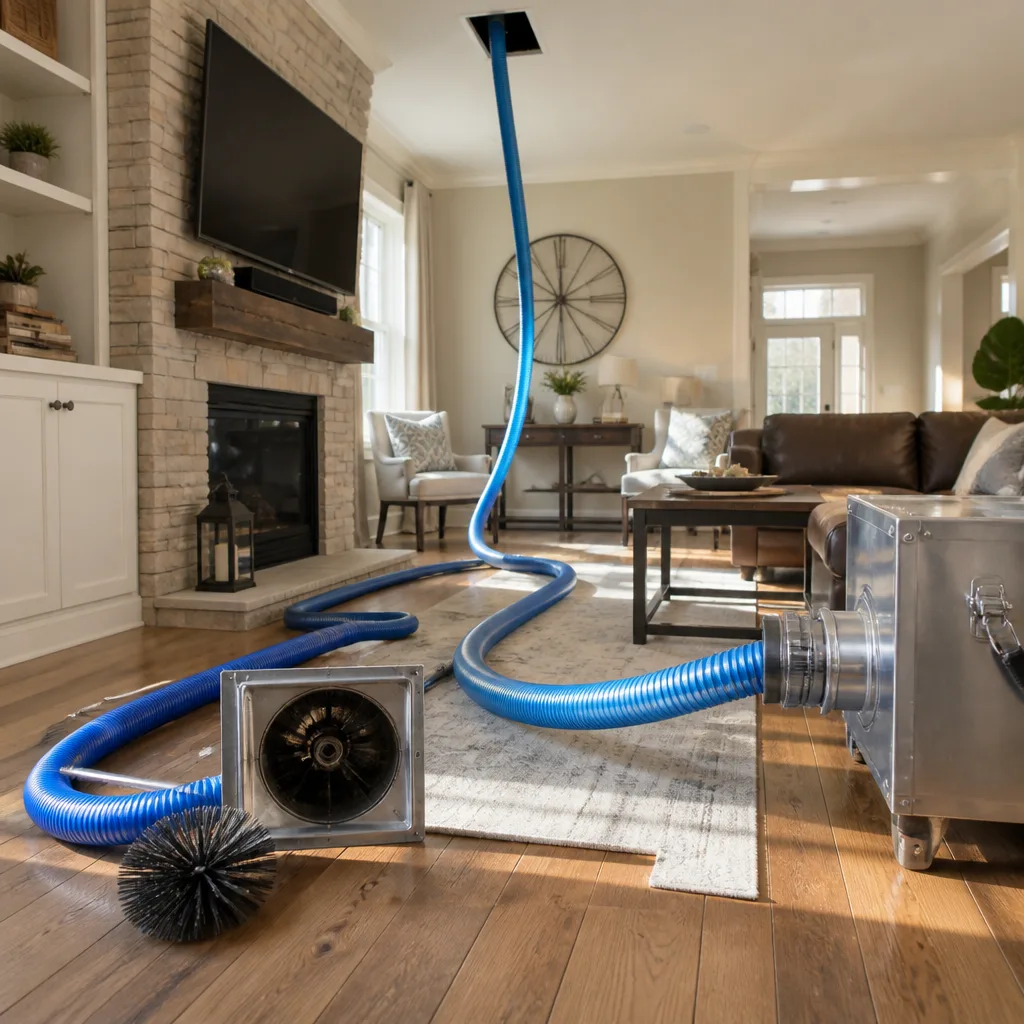 Whole-home duct cleaning
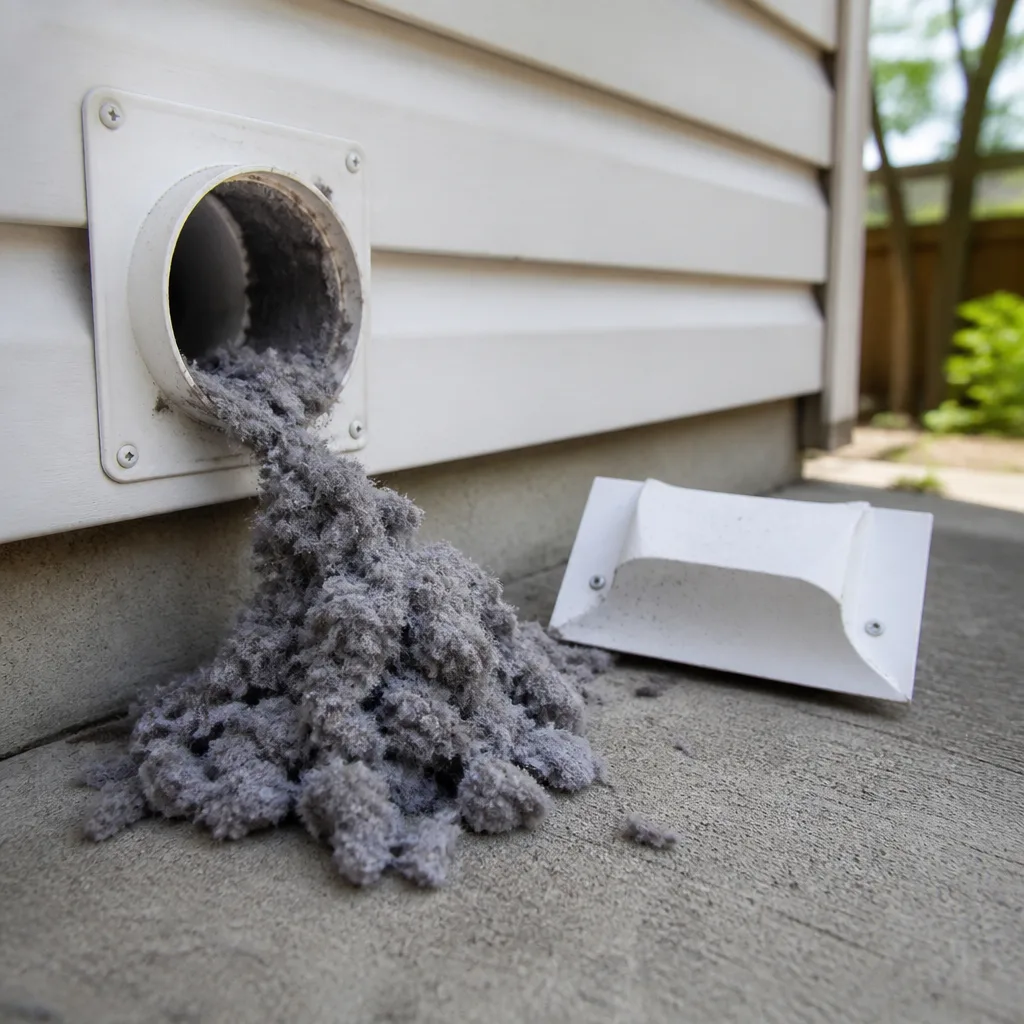 Dryer vent cleaning
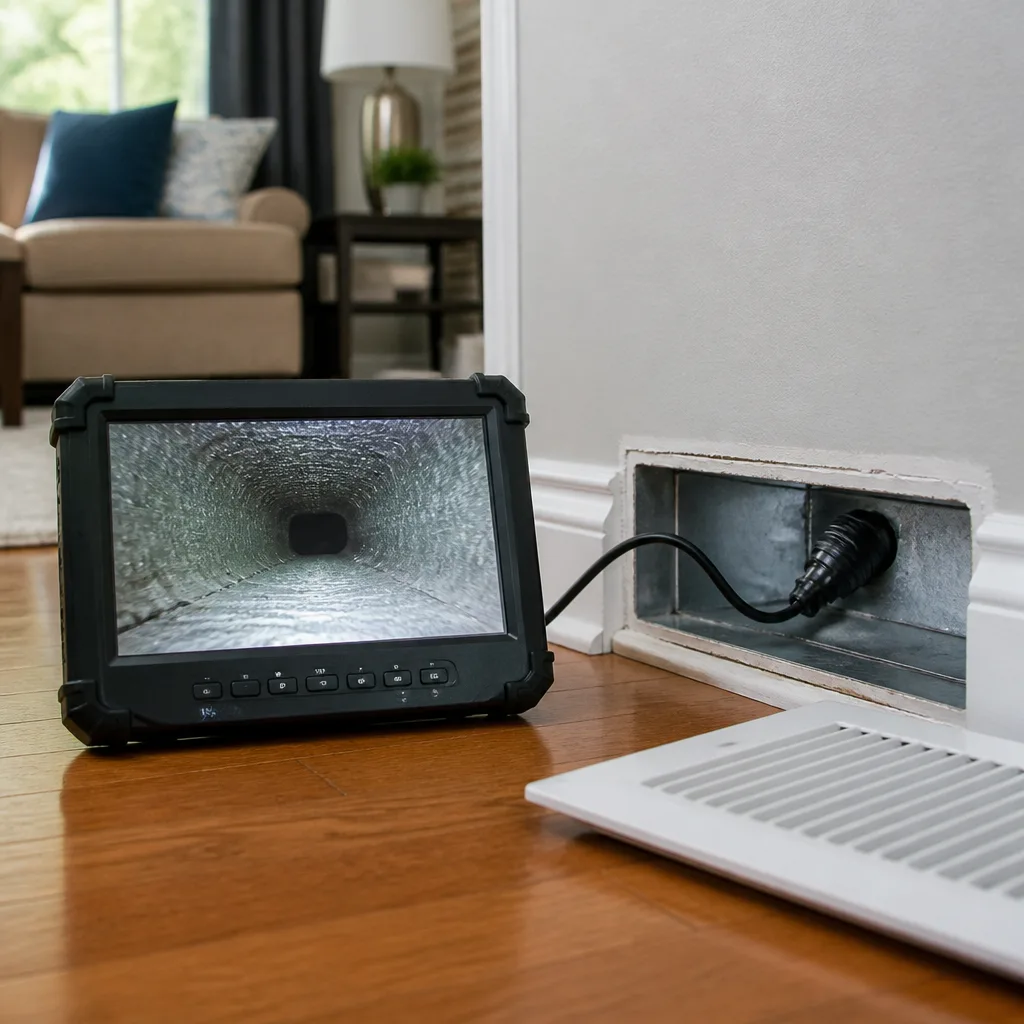 Camera inspection
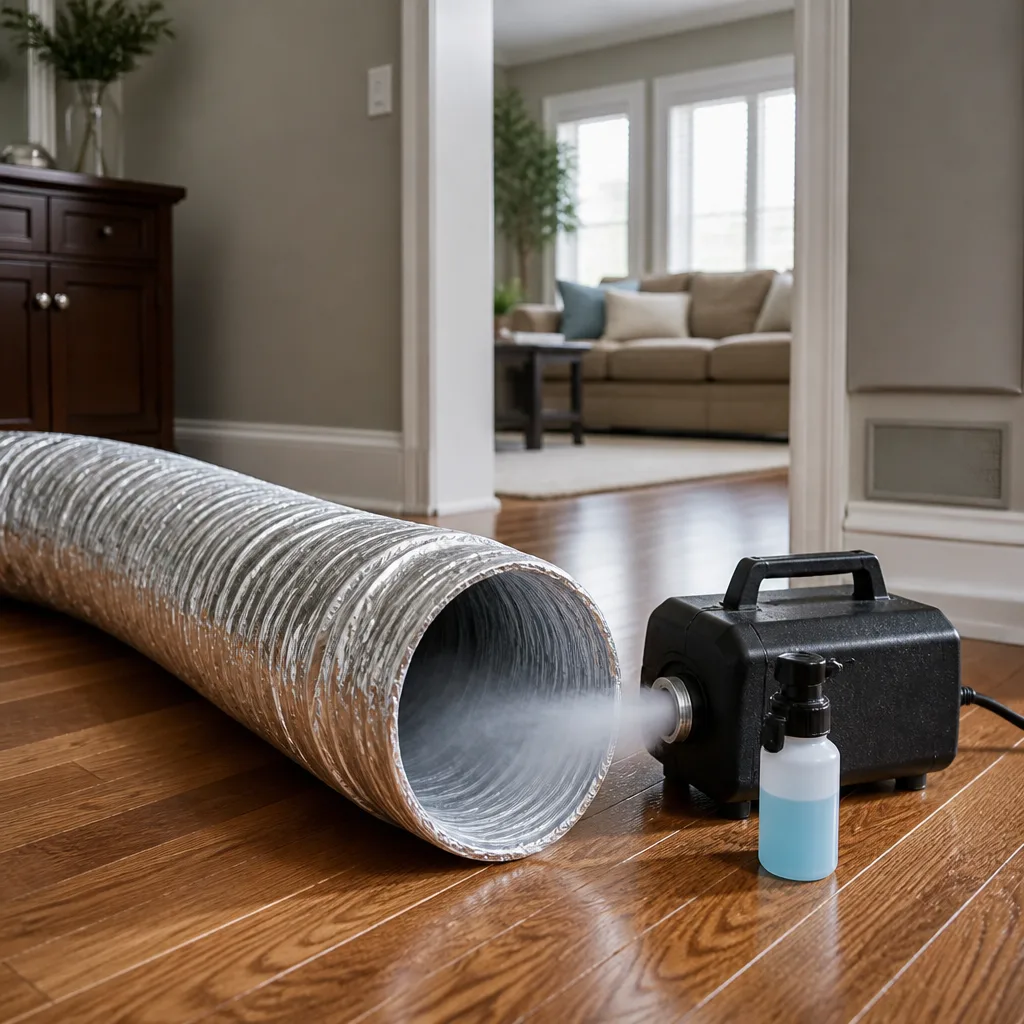 Sanitizing & deodorizing
Whole-system duct and dryer vent check with before-and-after photos - you see exactly what came out of your vents
That "$99 whole-house special" is a bait ad - the real number appears once they are in your hallway, or the "clean" is a shop-vac at the register. We photograph the inside of your ducts before and after instead.
Air Duct Cleaning Emergency Preparedness Guide for Centennial Homes
Most homeowners think of duct cleaning as routine maintenance. The harder truth is that ducts are the one part of your house that can turn a bad week into a months-long air quality problem. During the 2020 wildfire smoke events that blanketed the Denver metro, homes with return-side duct leaks pulled far more particulate into living spaces than homes with sealed systems. That gap wasn’t about furnace brands or filter ratings. It was infrastructure. Most people don’t learn this until their indoor air is already compromised and they’re trying to figure out why.
This guide is about being ready before that moment. It walks through the three events most likely to contaminate a Centennial duct system: wildfire smoke, water intrusion into crawl spaces, and the fine construction dust that follows interior remodeling. You’ll get specific response steps, a documentation checklist for insurance, and a home-systems file template you can build in an afternoon. We’ll also tell you plainly when a situation needs a professional and when it doesn’t.
Quick Answer
Air duct cleaning emergency preparedness in Centennial means knowing three response protocols before you need them: sealing and shutting returns during a smoke event, drying and inspecting ducts within 48 hours of water intrusion, and scheduling a full clean immediately after any interior demolition or drywall work. The goal is to document contamination early, act on a defined timeline, and keep a home-systems file that tells a professional crew exactly what they’re walking into. Professional-grade extraction with Rotobrush and Nikro equipment is what actually removes what settled, not a shop vac and a cartridge filter.
Styles & brands we work with
- Whole-home duct cleaning
- Dryer vent cleaning
- Camera inspection
- Sanitizing & deodorizing
Table of Contents
- Why Ducts Matter in a Centennial Emergency
- Wildfire Smoke Protocol for Duct Systems
- Water Intrusion and Crawl Space Contamination
- Post-Renovation Duct Response
- What to Document for an Insurance Claim
- Building a Home Systems File for Your Ducts
- Why Equipment Type Decides the Outcome
- When to Call a Professional
Why Ducts Matter in a Centennial Emergency
Your duct system isn’t a passive tube. It’s a loop. The air handler pulls return air through a filter, conditions it, and pushes it back through supply runs. Every joint, boot, and collar in that loop is a potential leak. In a well-sealed system, the pressure drop across the return side is small enough that little outside air sneaks in. In a leaky one, the return side can pull negative pressure against unconditioned space – attics, crawl spaces, wall cavities – and drag whatever’s there into the living room.
That single mechanism explains most contamination events in Centennial homes. Smoke from a Front Range fire doesn’t have to enter through an open window. If your return ducts leak into an attic that already pulled smoke through ridge vents, you’ll distribute particulate through the house every time the blower kicks on. Water in a crawl space doesn’t have to reach the furnace to be a problem; moisture under the supply trunk drives humidity into the entire system.
What this means practically is that emergency preparedness for ducts is mostly about knowing where the leaks and vulnerabilities are before an event. A ten-minute walkthrough of your mechanical room, returns, and access points tells you most of what you need.
What to check this week
- Locate every return grille and note which one is nearest an exterior wall
- Find the filter slot and confirm filter size and last replacement date
- Look for gaps where the return duct meets the air handler cabinet
- Locate every duct access panel and note whether it’s sealed or open
- Check whether your crawl space or basement has any duct runs exposed to it
- Note the age and material of your ductwork (flex, galvanized, ductboard)
Those six items are the foundation of the systems file we’ll build later in this guide. If you don’t know your own system, no professional can help you make fast decisions in an emergency.
Wildfire Smoke Protocol for Duct Systems
Smoke events in the Denver metro are the clearest duct emergency a Centennial homeowner will face. Air quality can degrade within hours. The typical response is to close windows and run the furnace fan for filtration. That works well in a sealed system. In a leaky one, running the fan can make indoor air worse by pulling attic-lofted smoke through return leaks. The response protocol below assumes a moderate-to-severe smoke event and any level of duct leakage.
Immediate steps during a smoke event
- Close all windows and exterior doors. Seal the largest gaps first – under doors, at dryer vent backdraft flaps, at bath fan louvers.
- Switch the thermostat to “fan off” if your system is leaky. If you don’t know whether it’s sealed, run the fan on “auto” rather than continuous. This limits the volume of air being pulled through potential leaks.
- Upgrade to the highest MERV rating your blower can handle without strain. Don’t go to HEPA in a residential system unless the equipment is rated for it. A too-restrictive filter trips high-limit switches and burns blower motors.
- If you have a portable air scrubber or a room HEPA unit, run it in the room you use most. This is a Tri-County smoke-day strategy, not a permanent solution.
- Seal obvious return leaks temporarily with foil tape. This is a stop-gap. Permanent sealing is a duct repair job.
- Note start and end dates of the event. You’ll need them for insurance and documentation.
After the smoke clears
The inspection step most homeowners skip is the return side. Smoke particulate settles where airflow is slowest: in return drops, in the plenum above the filter, in flex duct with slack. If your filter was visibly darkened after a smoke event, assume particulate reached the return side. A post-event inspection should look at the plenum with a camera, check filter bypass, and run the system fan briefly with the access panel off while watching for loose dust. The clean step – running a rotary brush system through the entire loop with a contained HEPA vacuum attached – should follow within two to four weeks of the event, before the next heating season pulls residual particulate back into the air. Professional air duct cleaning is what removes what settled.
If your home already had a compromised system, a professional assessment should be part of the insurance documentation process. Photos of a darkened plenum or dust in the return boots are useful evidence.
Water Intrusion and Crawl Space Contamination
Flash flooding in Centennial rarely looks like a river running through the backyard. It usually looks like water pooling against a foundation after a hard afternoon thunderstorm, seeping under a sill plate, and finding its way into a crawl space. The ducts above the water line are still vulnerable, because humidity in a crawl space becomes humidity in the entire duct loop. And humidity is where mold risk begins.
The 48-hour window
The single most important number in water-intrusion duct response is 48 hours. That’s the approximate window in which most materials go from wet to actively growing microbial contamination in Centennial’s typical indoor humidity range (roughly 30-40% for most of the year, higher in the summer and in basements). If the crawl space or basement stays wet for more than about two days, assume microbial growth has started on any exposed duct material – especially ductboard, flex duct with unprotected insulation, and fiberglass-lined trunks.
Immediate steps after water intrusion
- Stop the water source. Shut off the supply, clear the drain, or sandbag. Don’t start cleanup until new water has stopped entering.
- Photograph everything before you touch it. Wet duct insulation, waterlines on the foundation wall, any visible pooling. Timestamps on the photos matter for insurance.
- Shut off the HVAC system. Running the blower with wet ductwork distributes moisture and any aerosolized contaminants through the entire house.
- Get air moving and dehumidify the crawl space. Fans alone won’t dry a crawl space; you need a dehumidifier in the space or a professional drying setup.
- Call for a professional inspection within 48 hours if any duct material got wet. A visual inspection with a camera inside the trunk and supply runs tells you whether contamination is present.
- Do not seal or close the crawl space access while it’s drying. Moisture needs a path out.
What happens to the ducts above
Ducts in a crawl space are usually the ones at highest risk because they’re closest to the water and often run in fiberglass insulation that holds moisture. Above the water line, the more likely problem is humidity creeping into the system through open joints. A return plenum with a gap that opens into a wet crawl space becomes a moisture path into every room of the house. After water intrusion, any duct run that touches or crosses the affected space needs inspection.
The rest of the response overlaps with Centennial home maintenance after a storm: drying the affected space, checking the foundation for new cracks, and confirming that the HVAC system is dried out and running clean again. If the intrusion was severe enough to require water extraction, the ducts are part of the drying and inspection scope.
Post-Renovation Duct Response
Kitchen remodels, bathroom tear-outs, and basement finishes generate a specific kind of duct contamination that smoke and water don’t: abrasive particulate. Drywall dust is fine gypsum powder. Sawdust from framing is coarse but travels. Concrete grinding from a new slab or floor leveling kicks up silica. All of it is abrasive if it reaches a blower motor, and all of it settles into ductwork that’s open during the demolition phase.
Why construction dust is different
A normal dust load from household living is a mix of skin cells, textile fibers, and pet dander. Your filter catches most of it, and the rest is harmless. Construction dust has hard particles – gypsum, silica, wood fiber – that sit on blower motor windings and shorten motor life. They coat heat exchanger fins and reduce efficiency. They collect in return boots and get re-aerosolized every time the system runs. Once construction dust is in the ducts, cleaning with a shop vac at the registers won’t remove it from the trunk.
The post-renovation checklist
- During demolition and drywall work, seal every duct register and return with plastic and painter’s tape. Close the doors to rooms under construction and use negative air pressure with a fan in a window if possible.
- Change the furnace filter the moment drywall sanding is done. Assume it’s fully loaded. Don’t reuse it.
- Run the system briefly, then inspect the filter and return boots. A filter that loads up in hours after a fresh install is a sign that dust is entering the return side.
- Schedule a professional duct cleaning within 30 days of the final coat of paint. The window before the next heating season matters more than the exact date.
- Have the blower motor inspected and cleaned if the system ran during construction. Abrasive particulate on motor windings is a real failure mechanism.
- Check the supply registers for visible drywall dust. Visible dust at a register means the trunk probably has more.
Centennial’s active residential development – infill, additions, and full renovations in established neighborhoods – means a lot of duct systems see this kind of stress without the homeowner realizing it. If you’re moving into a home that recently had interior work, ask when the ducts were last professionally cleaned and by what method. “The builder cleaned it” usually means a quick pass with a shop vac at the registers.
What to Document for an Insurance Claim
Insurance claims that involve duct contamination are won or lost on documentation, not on the severity of the event. A carrier will accept a claim for duct cleaning after a wildfire smoke event or a water intrusion if the record shows that contamination actually reached the ducts. That requires evidence collected on a defined timeline. Below is the documentation list we recommend every Centennial homeowner keep in a home systems file, updated whenever an event occurs.
What to collect
- Dated photographs of the event itself – visible smoke outside, water pooling against the foundation, storm damage. Include timestamps.
- Photographs of any visible contamination – darkened filters, dust at registers, water-stained duct insulation, wet materials in the affected space.
- Air quality readings if available – a consumer-grade indoor air quality monitor with a PM2.5 reading, plus outdoor readings from a public air quality site logged on the same day.
- A written professional assessment – a report from a duct specialist describing what was inspected, what was found, and what cleaning is recommended. This is the piece that often converts an “undetermined” claim into an approved one.
- Receipts for related work – filter replacements, dehumidifier rental, water extraction if applicable.
- Before-and-after photos of the cleaning – many duct specialists photograph the interior of ducts before cleaning and again after.
- Notes on the timeline – when the event started, when the water intrusion was discovered, when the system was shut off, when professional inspection happened.
How to submit
A written assessment from the duct specialist is the item most homeowners don’t think to ask for. Ask for it explicitly. It should state what was visible in the ducts, what equipment was used to inspect, and whether professional cleaning is recommended on the basis of the inspection. A generic invoice won’t do; you need the narrative. Pair it with your own photos and the timeline notes and you have a claim package a carrier can act on without scheduling its own inspection.
We work with homeowners organizing this documentation. If you’re putting together a claim, call us and we can walk you through what an assessment report should contain. We can work with your insurer on the documentation side, though the coverage decision is theirs, not ours.
Building a Home Systems File for Your Ducts
The most useful emergency readiness tool for a Centennial home isn’t a generator or a water shutoff tool. It’s a written file that tells a professional crew exactly what your duct system looks like, without them having to spend an hour mapping it while your house is under a smoke plume. Build the file in a single afternoon, update it after every significant event, and keep it in two places – a physical folder and a cloud-shared document.
What goes in the duct section of the file
- System diagram. A simple sketch of where the air handler sits, where the returns are, and where the supply trunks run. Note any rooms that aren’t well served. It doesn’t have to be to scale.
- Duct material per run. Note whether each section is galvanized, flex, or ductboard. Note where any section is exposed to an unconditioned space (crawl space, attic, garage).
- Last professional cleaning – date and method. Who cleaned it, what equipment was used (look for terms like rotary brush, HEPA vacuum, or the brand names Rotobrush or Nikro), and what the report said.
- Filter specifications. Filter size, MERV rating, and the last two replacement dates. Note whether the system is rated for a higher MERV than what’s currently installed.
- Brand notes. Whether the system has any integrated air quality components – a whole-house humidifier, a fresh air intake, or an air scrubber. Note whether the air handler interfaces with Aprilaire or Honeywell components, because service on those devices involves the same duct loop.
- Contractor contacts. A duct specialist, an HVAC service technician, a water damage restoration contact, and your insurance agent. Names, companies, and phone numbers.
- Event log. Every smoke event, water intrusion, or renovation that affected the system, with dates and what was done. This becomes your insurance history and your maintenance history.
Why it matters in an emergency
When a smoke plume rolls in or a pipe bursts, the homeowner with a systems file makes three phone calls in ten minutes: water damage restoration, duct specialist, insurance agent. The homeowner without one spends the first day trying to figure out whether the ducts are flex or board, and whether they’ve ever been cleaned. The 48-hour mold window and the “before the next heating season” window on post-smoke cleaning both close faster than most people realize. A file turns a panic into a plan.
Why Equipment Type Decides the Outcome
Two cleanup jobs can look identical on paper and produce very different results depending on the equipment running. A rotary brush system agitates the duct wall mechanically; the brush is what loosens adhered particulate that air-only methods leave behind. A HEPA vacuum rig with proper CFM containment captures what the brush frees, rather than pushing it back into the room. Rotobrush and Nikro equipment is the standard for those two functions in residential and light commercial duct work. Consumer-grade vacuums don’t have the static pressure to move air through a long supply trunk, and shop vacs clog before they develop meaningful suction.
That’s the reason we run professional-grade Rotobrush rotary brush systems and Nikro HEPA vacuum rigs on every job. It’s also why we use Abatement Technologies air-scrubbing capability in homes where indoor air quality is a specific concern, and why we’re familiar with Aprilaire and Honeywell components that integrate with existing duct systems. Guardsman protective products go on at the end for post-clean treatment. The brands matter less than the principle: the method has to match the contamination.
What “professional-grade” actually means in practice
- Contact vacuuming at every register, followed by rotary brush the full length of the supply and return runs
- Negative pressure maintained inside the duct during brushing so freed dust exits rather than escapes into the room
- Camera inspection before and after, with photos documented
- Cleaning of the air handler cabinet and plenum, not just the accessible ductwork
- Post-treatment of the cleaned duct surface for lasting protection
If a quote arrives without a description of the equipment and method, that’s the question to ask before signing. Air duct cleaning and dryer vent cleaning are the two services where cut-rate quotes most often skip the extraction step that produces a real result.
See the difference
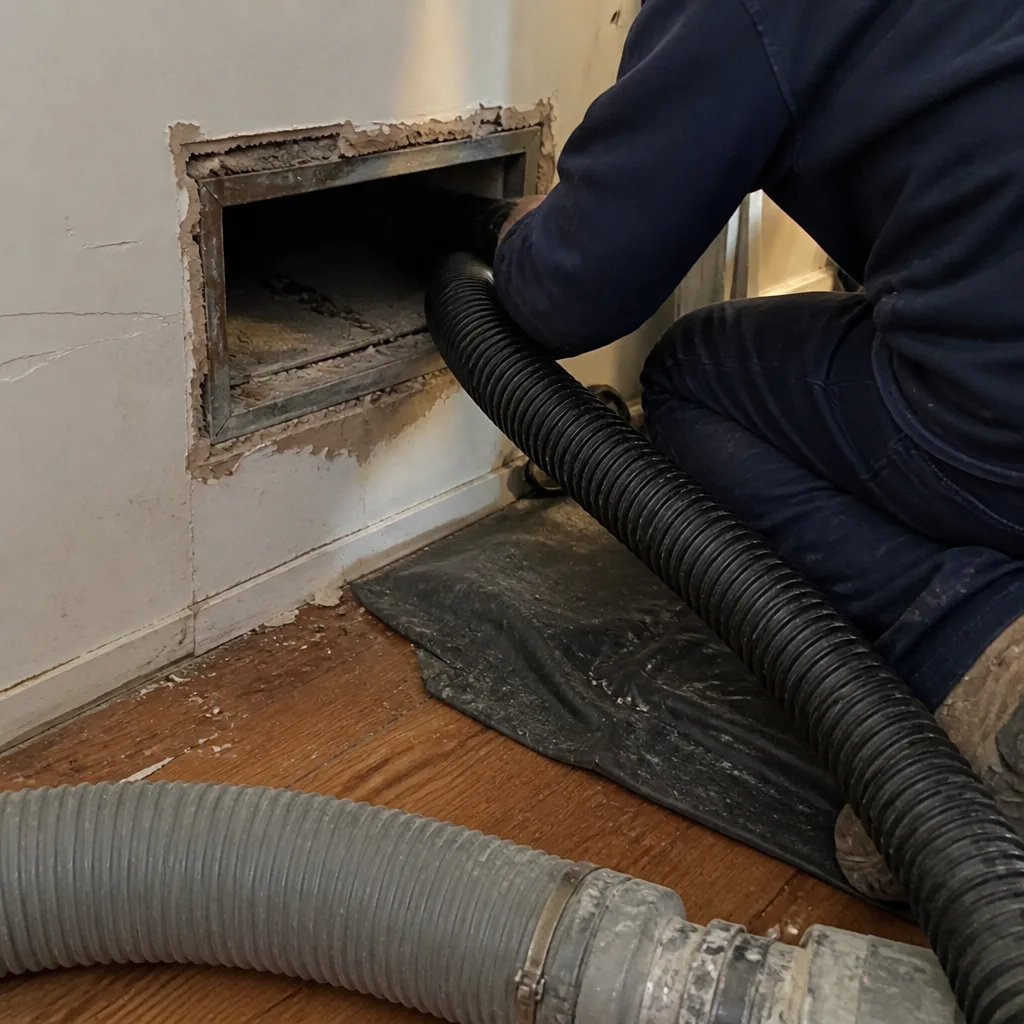 Before
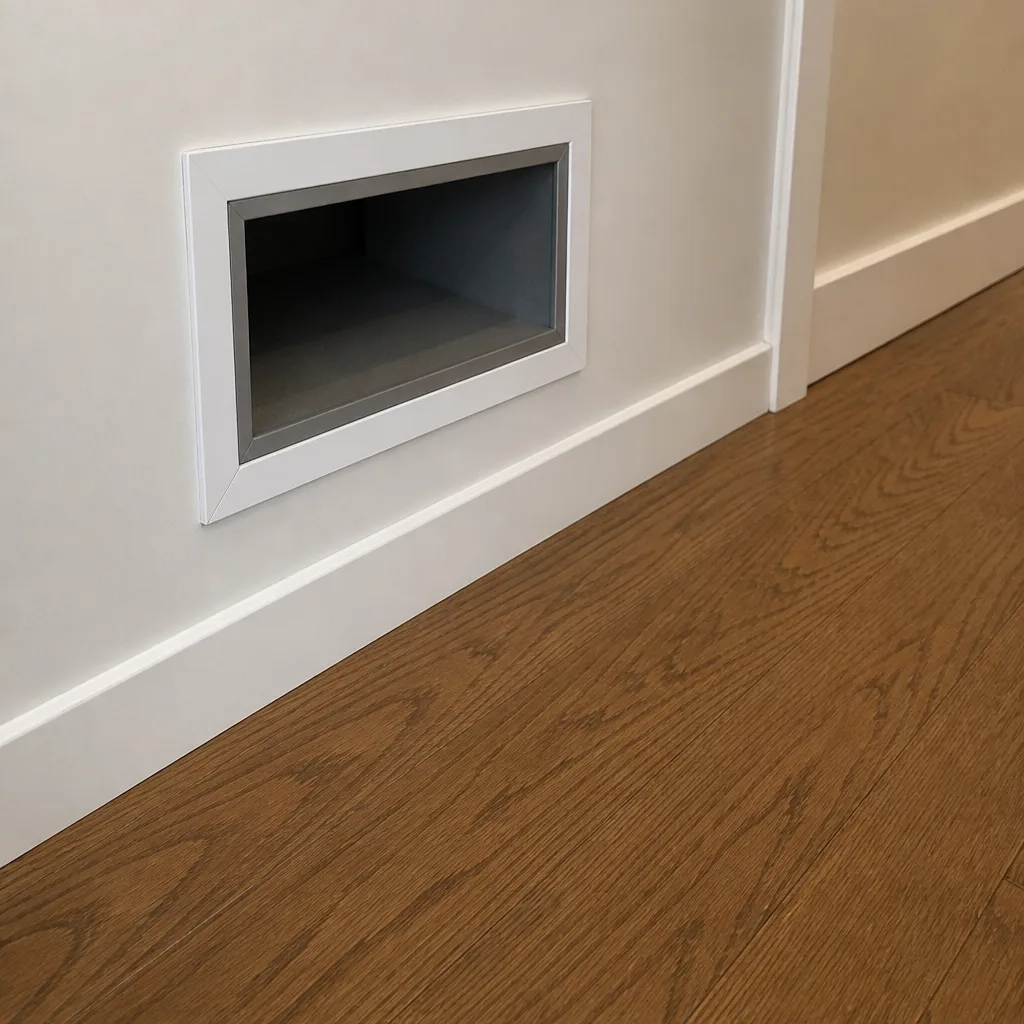 After
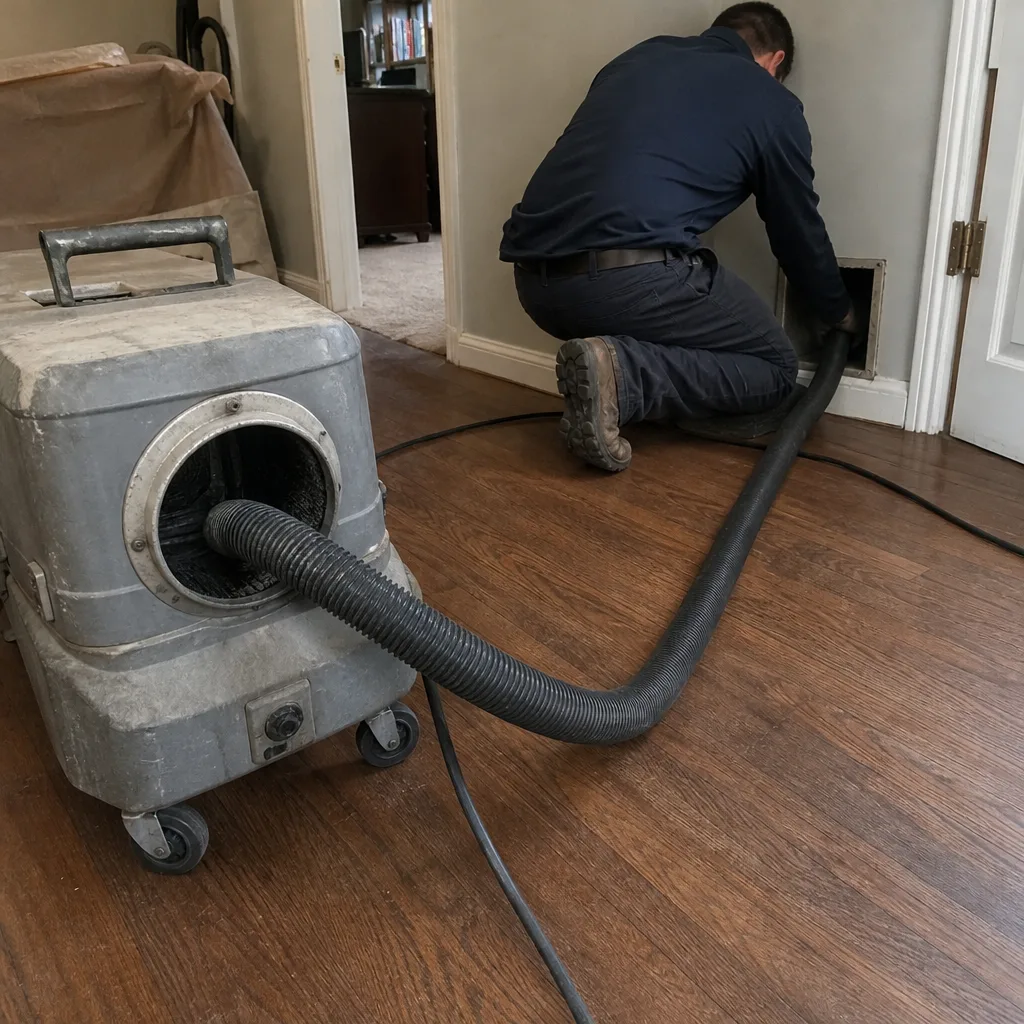 Before
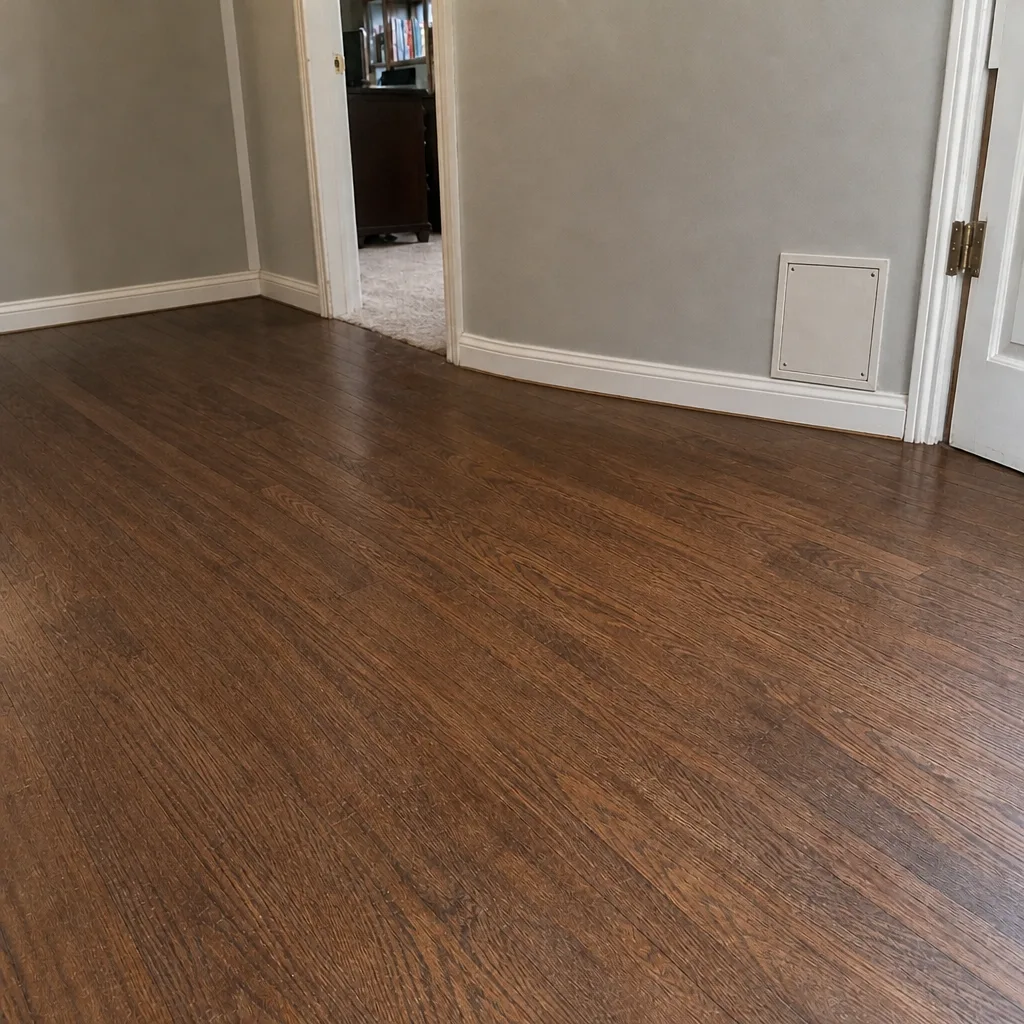 After
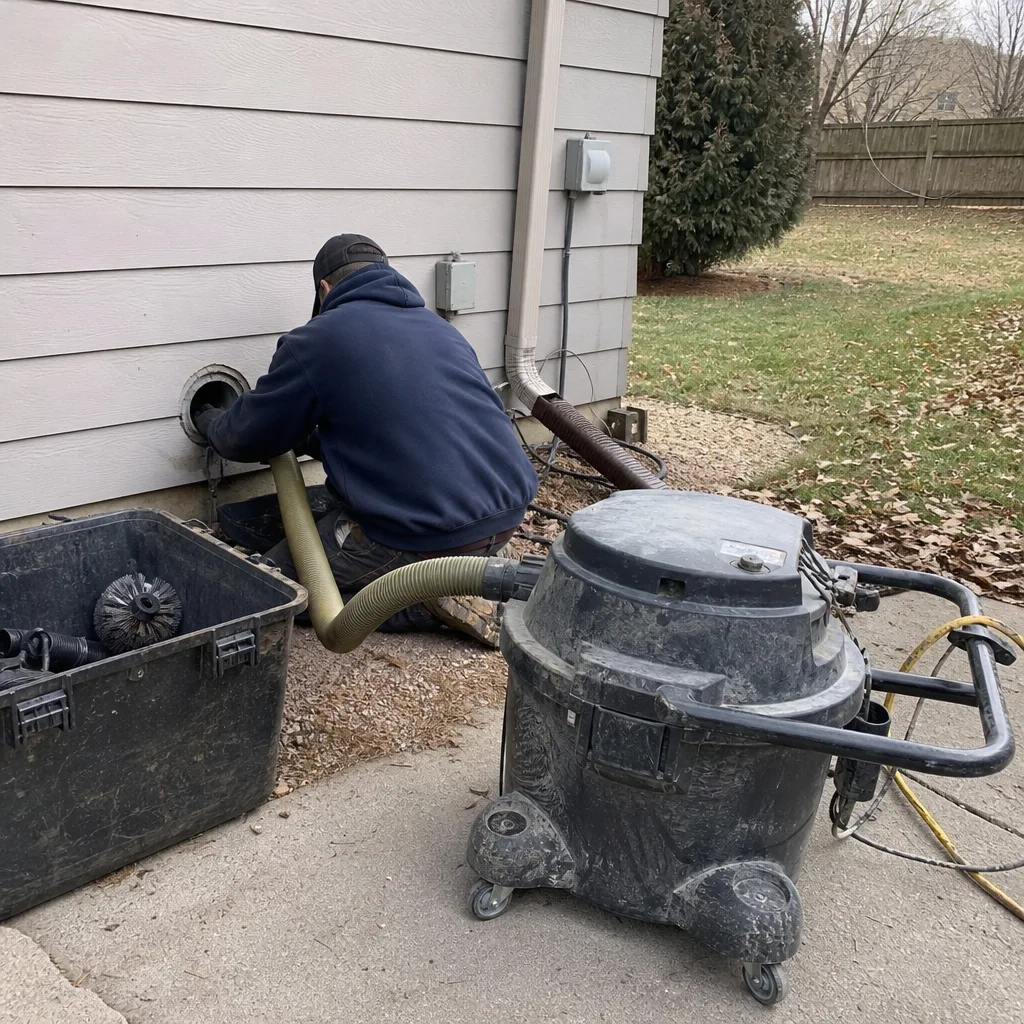 Before
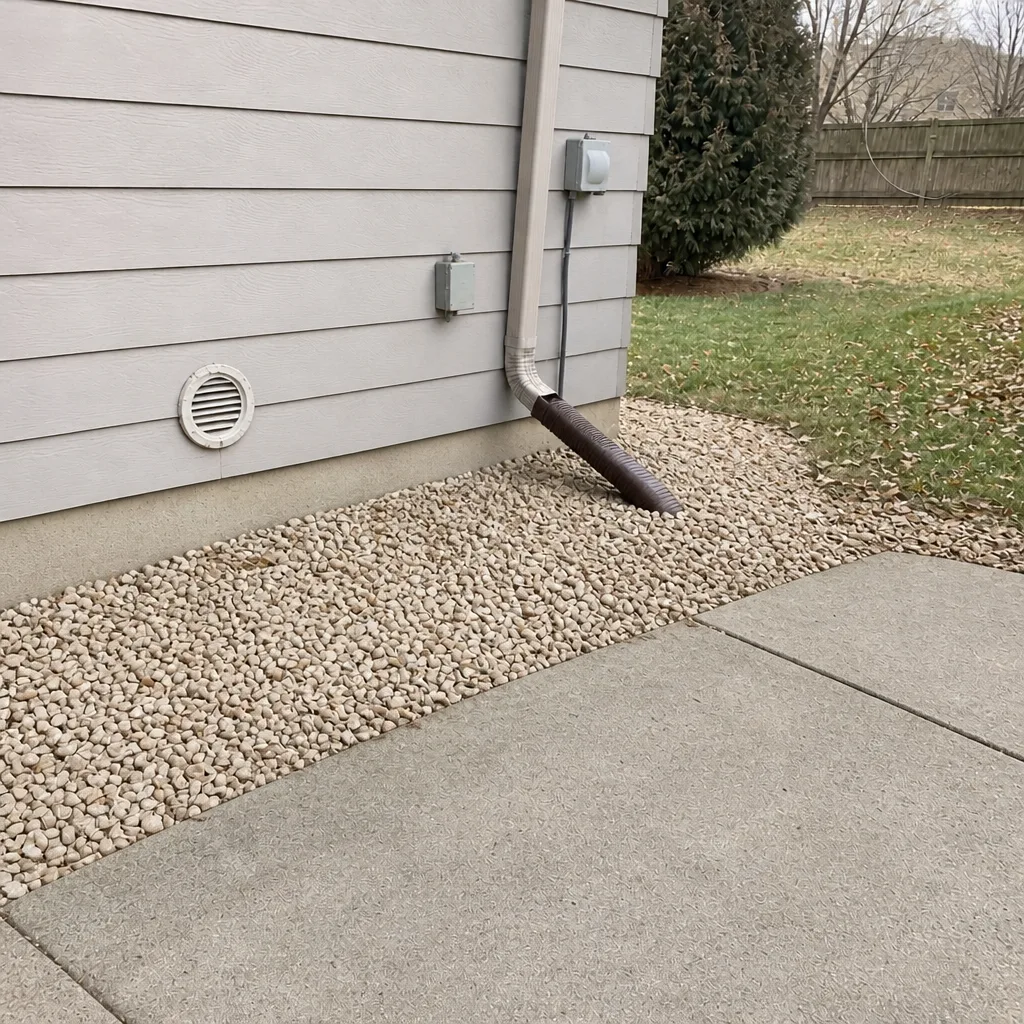 After
Common Mistakes to Avoid
- Running the furnace fan continuously during a smoke event on a leaky system. If return leaks exist, this pulls attic-lofted smoke into living spaces. Confirm your system is sealed before running the fan as a filtration strategy.
- Using a shop vac or household HEPA vacuum to clean ducts. Neither has the static pressure to move air through a long supply run, and neither contains what it loosens. You’ll redistribute dust into the room, not remove it.
- Delaying duct inspection after water intrusion beyond 48 hours. Centennial’s summer humidity accelerates microbial growth faster than most homeowners expect; by the time you smell it, the window for simple cleaning may have closed.
- Skipping filter replacement after drywall work. A filter loaded with gypsum dust trips high-limit switches and reduces airflow. Replace it the moment sanding is done, not at the next scheduled change.
- Assuming a “duct cleaning” from a coupon service used real extraction equipment. Ask what system they run. Rotobrush and Nikro are the two names to look for. If there’s no equipment description, assume a shop vac and a register pass.
- Not documenting a smoke event while it’s happening. A photograph of an outdoor air quality reading and a darkened filter dated during the event is the evidence that supports an insurance claim. Without that record, the claim gets harder.
- Treating duct cleaning as a one-time event rather than a systems discipline. Logging your last clean, filter replacements, and events in a home file is what makes the next emergency manageable instead of overwhelming.
When to Call a Professional
Not every dust event needs a professional cleaning, and knowing the difference saves money. Call for a professional inspection when any of the following is true: visible smoke residue darkened your filter during a Front Range wildfire event and the system wasn’t fully sealed; your crawl space or basement flooded and any duct material touched water; you completed interior demolition, drywall work, or a full renovation and the system was running during construction; you’re buying a home and don’t have documentation of the last professional clean; or a contractor’s quote for duct cleaning gave you equipment names you didn’t recognize. A full duct assessment is the baseline for all of those cases.
If you’re preparing an insurance claim, call before you clean anything. The assessment report is the piece that supports the claim, and it has to reflect what was actually in the ducts, not what was in them before the cleaning crew arrived.
Duct Cleaning Centennial offers free estimates in Centennial. Call (888) 597-0329. We answer 24/7. Fast dispatch from 7am to 7pm, Sunday through Friday. If you’re preparing a systems file, an inspection report, or a post-event cleanup plan, we can help you build the right version for your home’s duct system.
Frequently Asked Questions
Check the furnace filter first. A filter that darkened visibly during a smoke event almost certainly means particulate reached the return side. Second, check for visible dust at the return grilles and inside the plenum above the filter. If either shows contamination, a professional camera inspection of the return drops and plenum will confirm what’s there. Running the fan on high for a short test and watching the filter load rate tells you how much is moving.
Only if your return duct system is well-sealed. On a sealed system, running the fan with a properly rated filter helps. On a leaky system, running the fan can pull attic smoke through return leaks and make indoor air worse. If you don’t know your system’s sealing status, run the fan on “auto” rather than continuous during a smoke event and address sealing before the next fire season.
Assume a 48-hour window. In Centennial’s indoor humidity range, exposed wet duct material – especially ductboard, flex duct insulation, and fiberglass-lined trunks – can transition from wet to actively growing microbial contamination within about two days. If the toilet overflowed and reached ductwork, or the crawl space stayed wet beyond two days, schedule a professional duct inspection rather than a cleaning only.
After any renovation that involves drywall removal or sanding, sawing, concrete work, or demolition inside the envelope of the home. A bathroom tear-out generates enough gypsum dust to load a filter faster than normal household use. A small paint-only refresh doesn’t. The deciding factor is whether drywall or demolition dust was generated inside the home while the HVAC system was running or accessible.
Look for a rotary brush system – Rotobrush is the common residential name – and a HEPA vacuum rig capable of maintaining negative pressure inside the ductwork. Nikro is another standard brand. Additional inspection equipment should include a camera for before-and-after documentation. A company that arrives with a shop vac and a promise isn’t equipped for the job, regardless of price. Ask before you book.
Sometimes. The coverage decision belongs to the carrier and depends on evidence that contamination actually reached the ducts. The way to support a claim is with dated photos of the event, filter condition, visible contamination, any relevant air quality readings, and a written assessment from the duct specialist who inspected the system. A written professional report is the item most claims are missing. We can work with your insurer on the documentation side; call and we’ll walk you through what an assessment report should contain.
The Bottom Line
Emergency duct preparedness in Centennial comes down to three protocols – smoke, water, renovation – plus a documentation habit and a systems file. Most homeowners don’t need to memorize every step; they need to know which protocol applies in the first hour of an event, and they need the file that tells a professional crew what they’re walking into. Rotobrush and Nikro equipment, a written assessment, and before-and-after documentation are what separate a real cleanup from a register pass. Build the file this week. Update it after every event. When something does happen, you’ll have the plan already written.
For a free estimate on air duct cleaning, dryer vent cleaning, or duct repair in Centennial, Duct Cleaning Centennial is the specialist to call. Our technicians have up to 10 years of experience and use professional-grade Rotobrush and Nikro equipment on every job. Call (888) 597-0329. We answer 24/7. Fast dispatch from 7am to 7pm, Sunday through Friday.
Written by the team at Duct Cleaning Centennial.