
Last updated November 16, 2026
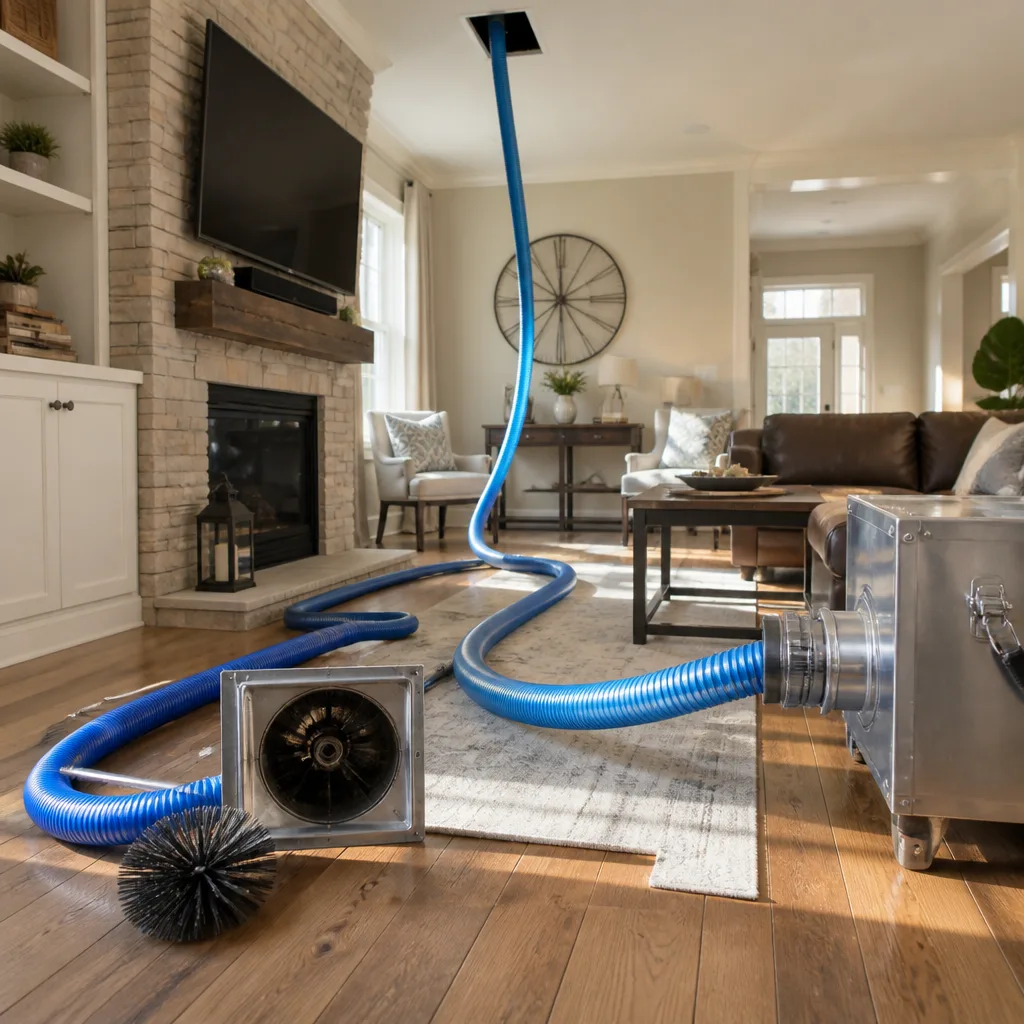 Whole-home duct cleaning
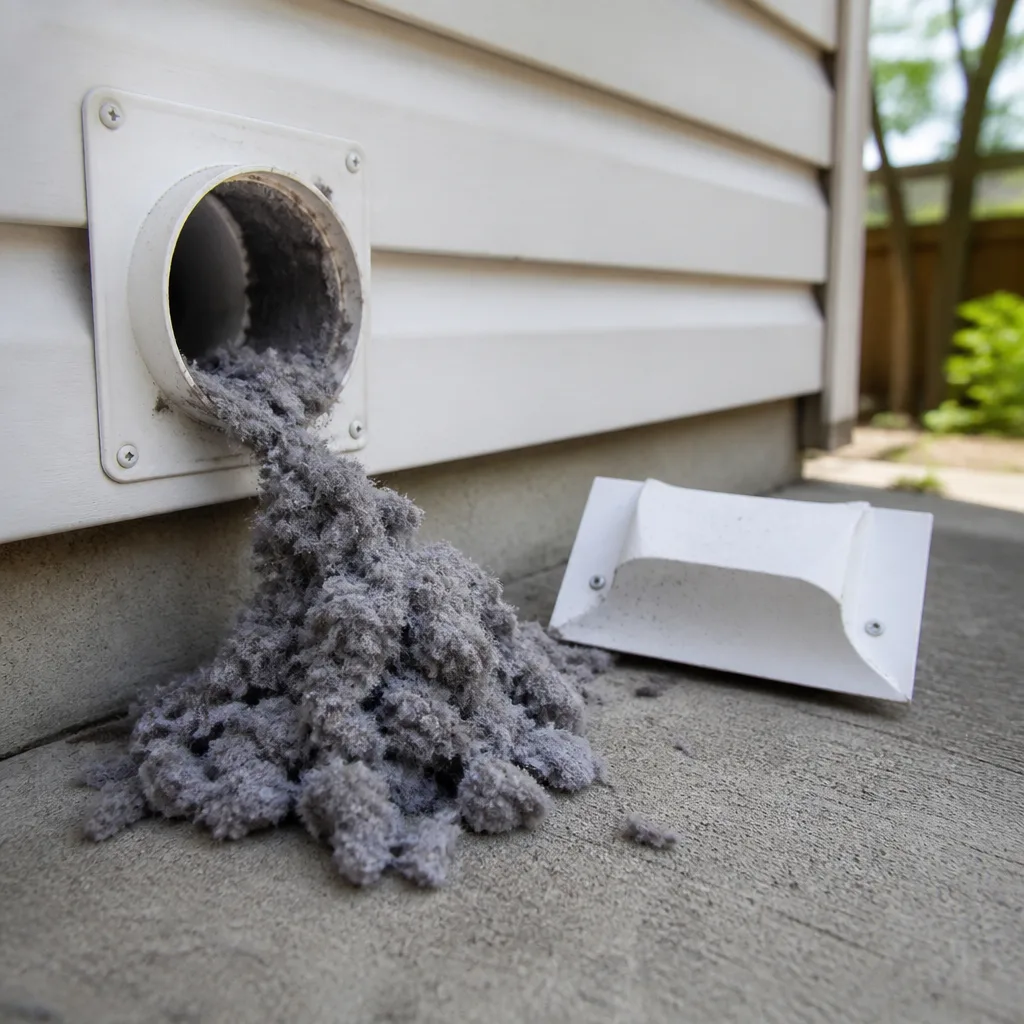 Dryer vent cleaning
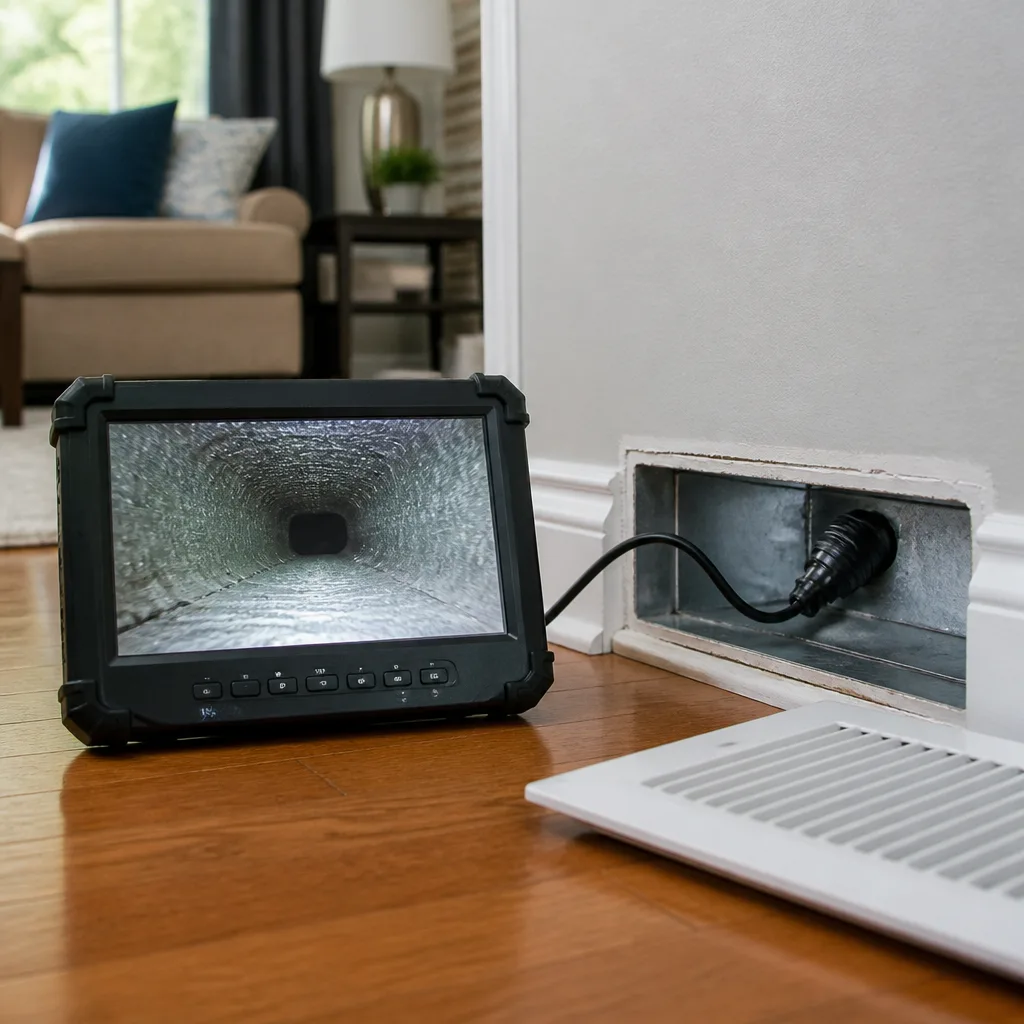 Camera inspection
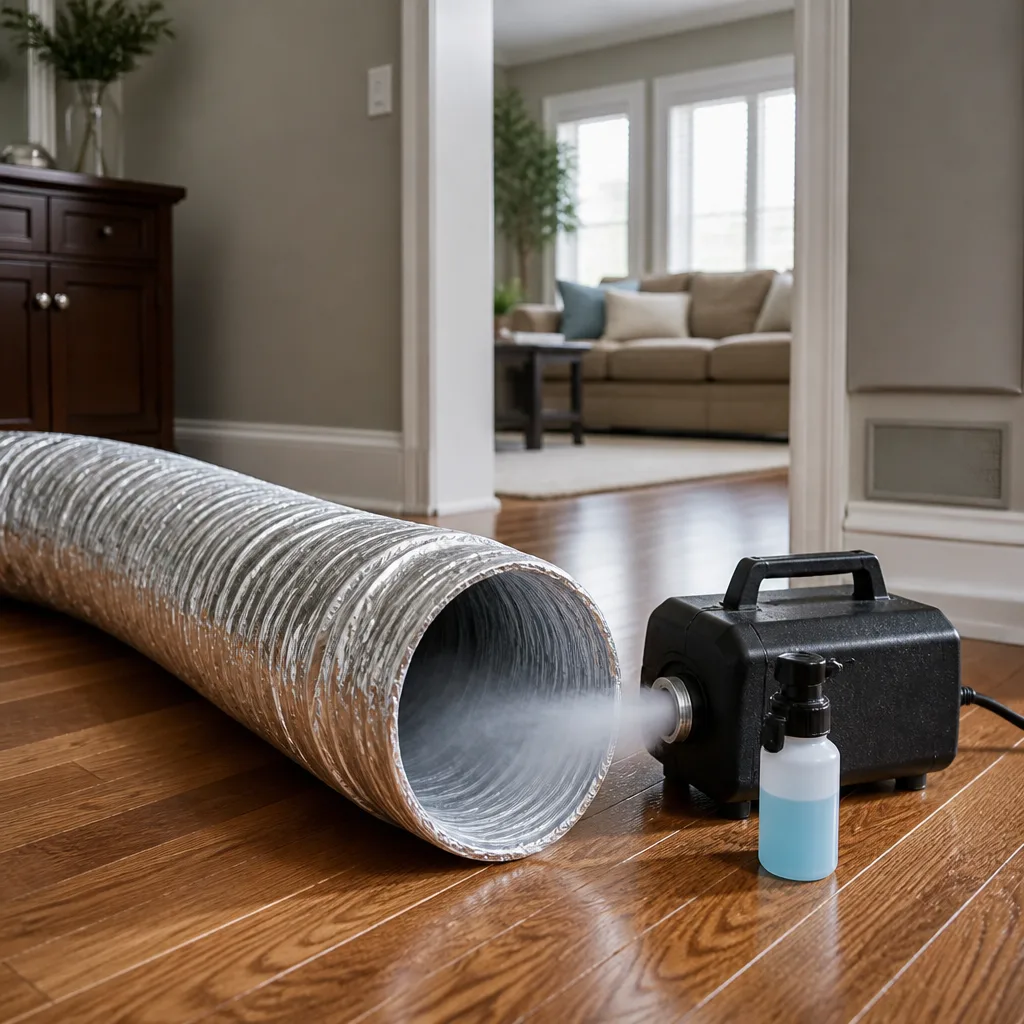 Sanitizing & deodorizing
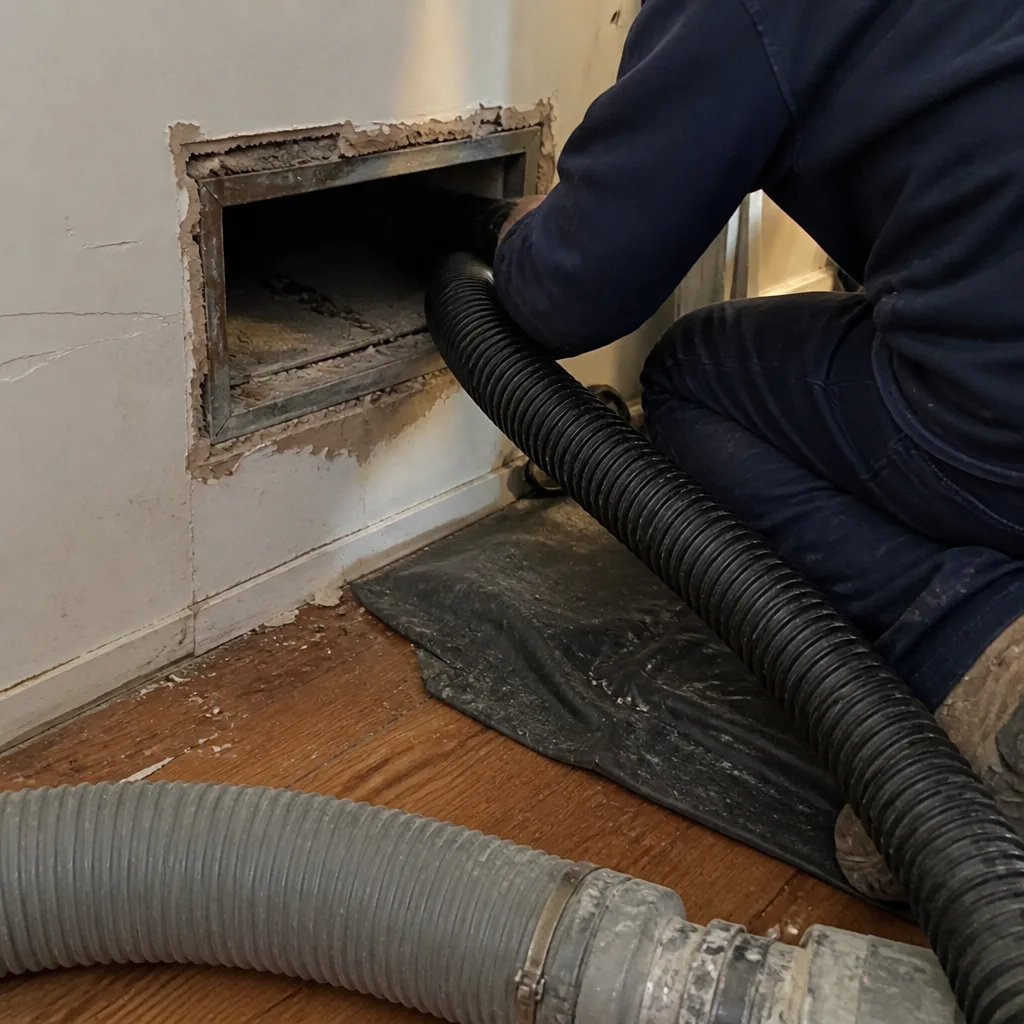
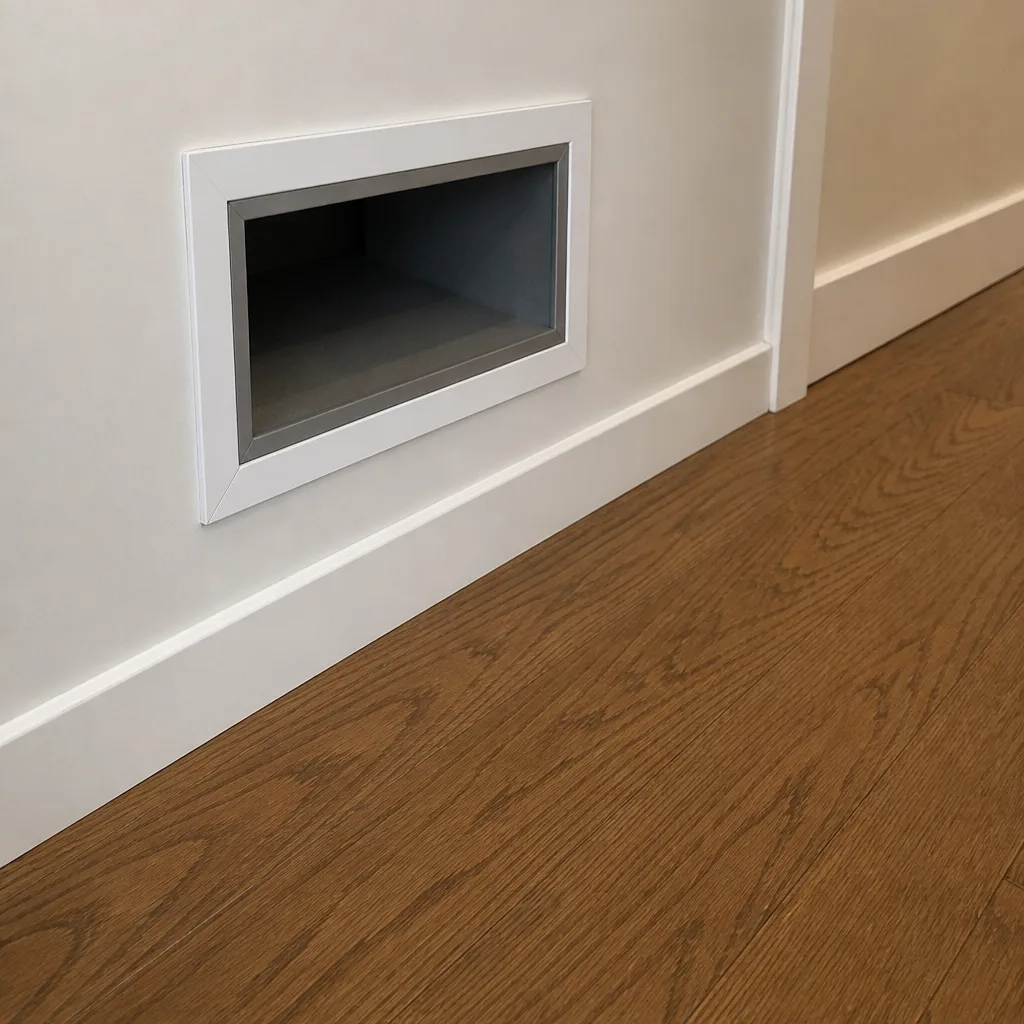
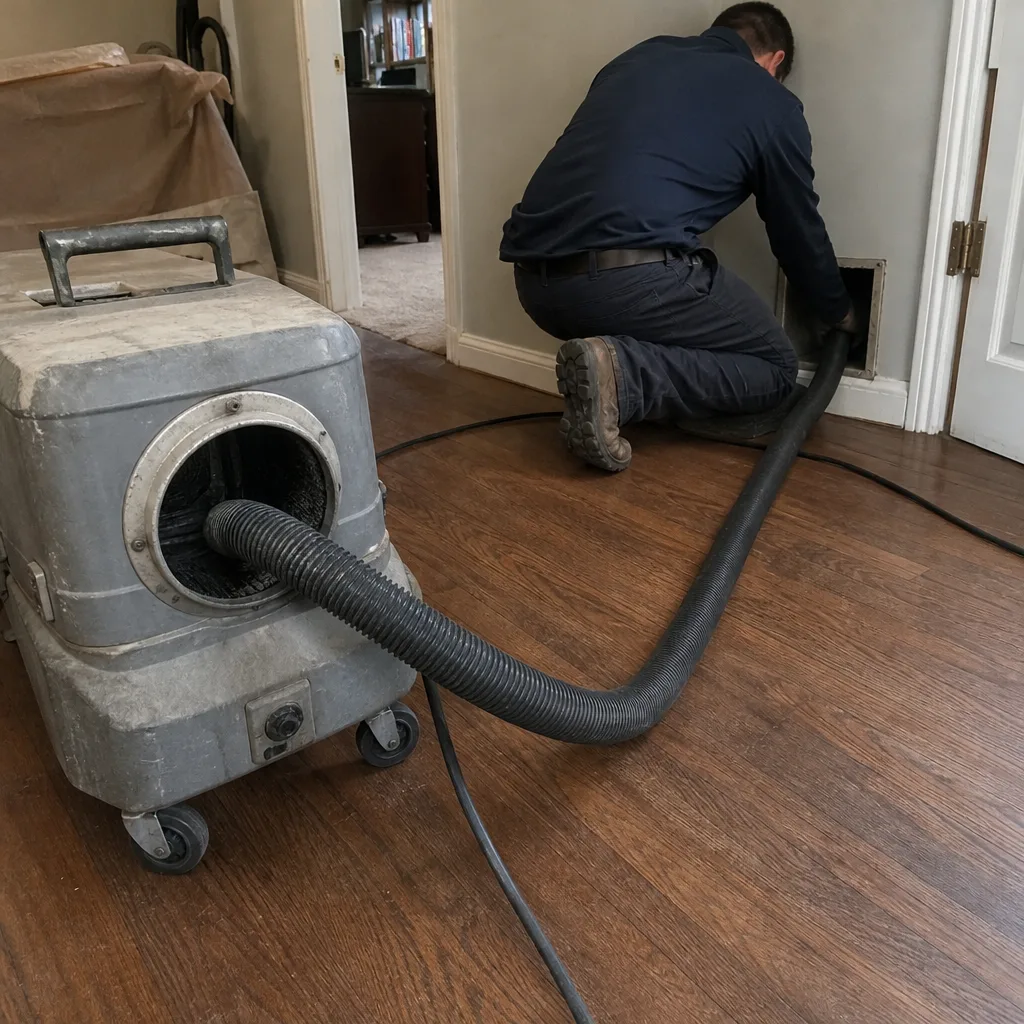
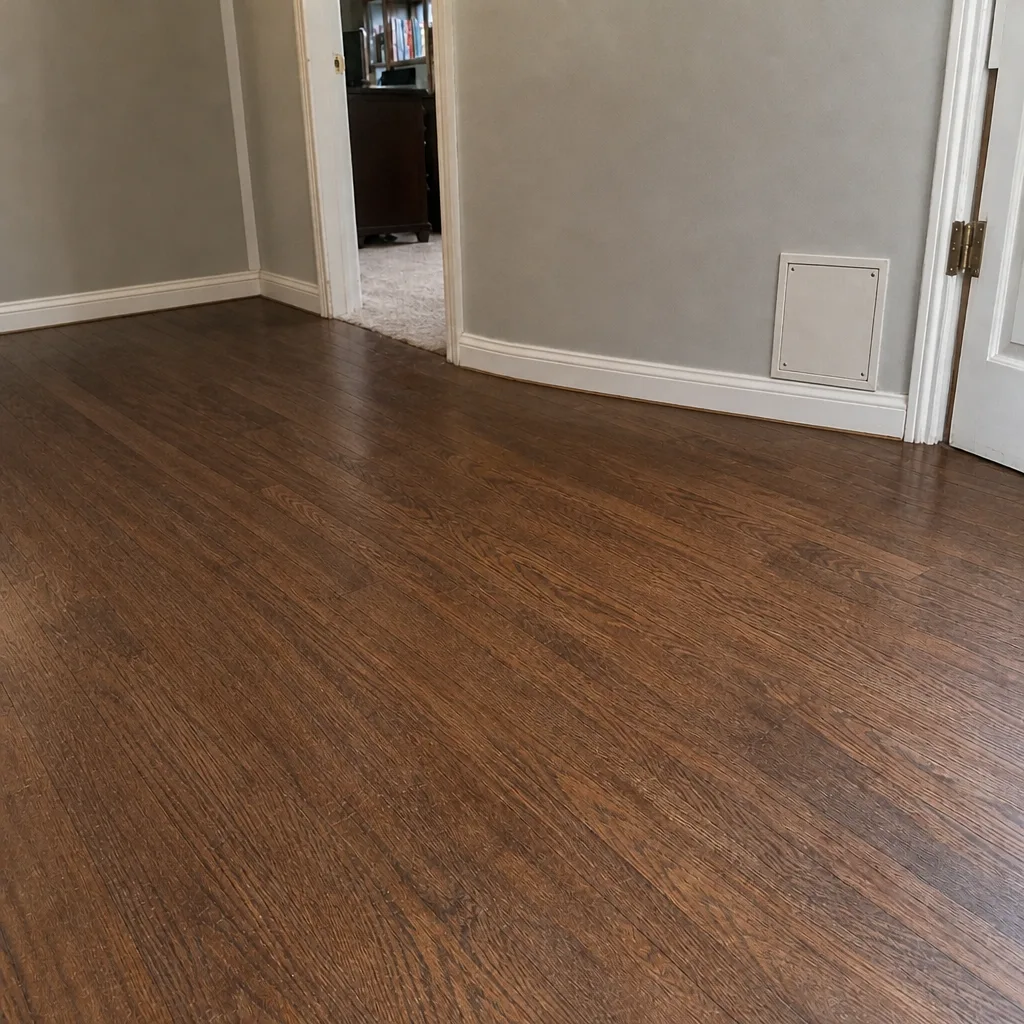
Whole-system duct and dryer vent check with before-and-after photos - you see exactly what came out of your vents
That "$99 whole-house special" is a bait ad - the real number appears once they are in your hallway, or the "clean" is a shop-vac at the register. We photograph the inside of your ducts before and after instead.
Air Duct Cleaning Maintenance Schedule: What to Do and When
The 3-to-5-year rule wasn’t handed down by engineers. It came from indoor air quality guidance meant as a floor, not a ceiling, and most homes either don’t need cleaning that often or need it sooner than the calendar says. What actually drives debris accumulation in a Centennial home is a short list of variables: pets, renovation dust, allergy-sensitive occupants, and the wildfire smoke seasons that roll through the Front Range. This guide builds a maintenance schedule around those inputs instead of a marketing interval, and shows you what to check, what to document, and when to call.
Quick Answer
Most homes need air duct cleaning every 3 to 5 years, but that interval shrinks to 18 to 24 months in homes with shedding pets, recent renovation, or occupants with allergies or asthma. Dryer vents run on a separate clock: every 1 to 2 years for most households, sooner with heavy laundry use. Filter changes every 1 to 3 months keep the whole schedule intact, and any home that sat through a heavy wildfire smoke season should be re-assessed rather than left on autopilot.
Styles & brands we work with
- Whole-home duct cleaning
- Dryer vent cleaning
- Camera inspection
- Sanitizing & deodorizing
Table of Contents
- Where the 3-to-5-Year Rule Actually Comes From
- The Four Variables That Set Your Real Interval
- A Decision-Tree Schedule for Your Household
- Filter Maintenance and Why It Defeats a Recent Cleaning
- Dryer Vent Cleaning Runs on Its Own Clock
- Post-Renovation Protocol: The Fastest Contaminator
- What to Document After Every Cleaning
- Signs You Waited Too Long
Where the 3-to-5-Year Rule Actually Comes From
That number you keep seeing has a specific origin. It traces to indoor air quality guidance from NADCA, the trade body for duct cleaners, and it was written as a baseline recommendation for typical households, not a hard engineering standard. The same guidance says to inspect and clean based on conditions, which is the part most people skip. A house with two golden retriefers and a recent kitchen remodel is a different system from a two-person home with no pets and no carpet.
We’ve made the same observation across Centennial. Homes vary enormously in how fast they load up. The high-ceiling ranch plans close to the Cherry Creek corridor tend to move more air and pull more particulate through the return side. Older homes off Arapahoe Road often have ductwork that hasn’t been opened in a decade and accumulates debris in the same low spots every time.
Two things are worth separating. Dust and debris accumulate at a rate that depends on your home. Contamination (microbial growth, pest debris, smoke residue) is a different question and a different assessment. If you’re choosing a maintenance interval, you’re answering the first question. The 3-to-5-year rule is a reasonable default for the first one and says nothing useful about the second.
Seasonal timing matters too. In Centennial, the safest time to schedule a cleaning is right after heating season winds down, or right before it starts. Between May and October the system is mostly idle, which makes the job easier on the equipment and gives you a full duct set to inspect before the furnace runs hard again.
The Four Variables That Set Your Real Interval
Interval is not a single date you write on a calendar. It’s the sum of four inputs. Most homeowners have never had any of them explained, which is why the same 3-to-5-year rule gets applied to wildly different houses.
Pets. A shedding dog or cat contributes dander, hair, and skin cells to the return air every day. In our experience, a home with one long-haired pet needs cleaning closer to the 2-year mark, and heavy-shedding households land at 18 months. Short-haired, low-shed pets stretch that back toward 3 years.
Renovation. Drywall dust is the fastest contaminator in the trade. Sanding releases gypsum particles fine enough to travel through return air and settle across the entire duct run. Any project larger than a paint refresh compresses the interval to a single cleaning six to eight weeks after the project ends.
Occupants with allergies or asthma. If someone in the house reacts to fine particulate, the schedule shifts from maintenance to management. That household should be cleaned every 18 to 24 months and documented at each visit so the next technician can compare.
Wildfire smoke seasons. Colorado’s summer smoke events push fine particulate into every return duct the moment windows are open and the system is running. A significant smoke season usually justifies an inspection even if the calendar suggests otherwise.
Put together, those four variables compress or stretch a schedule by a factor of two. A single pet plus a renovation year could pull the next cleaning forward by 18 months. A home with no pets, no recent work, no sensitive occupants, and the windows closed all summer can safely run on the longer end of the range.
One factor that doesn’t matter as much as people assume: house size. Square footage changes how long the job takes, not how often it needs to happen. The loaded air in a 2,000-square-foot ranch and a 4,000-square-foot two-story comes from the same sources.
A Decision-Tree Schedule for Your Household
Use the following sequence to set your interval. Walk through it once, write the result on the maintenance record, and revisit it whenever something in the household changes.
- Start at 5 years. This is the ceiling for a home with no pets, no recent renovation, no allergic occupants, and no significant smoke exposure.
- Subtract 1 year if anyone in the household has a diagnosed allergy or asthma.
- Subtract 1 year if there is a shedding pet in the home. Subtract 2 years if there are two or more, or one heavy shedder.
- Subtract 1 year if the home is in an active renovation year (see the post-renovation section below).
- Subtract 1 year if the home sat through a heavy local wildfire smoke season with windows open.
- Add 1 year only if the home is older but has been consistently filter-maintained and cleaned at least twice since purchase.
- Take the resulting number as your next cleaning due date. Anything below 18 months rounds up to 18 months; below 12 months is unusual and signals a specific problem worth inspecting.
Run that math on a typical Centennial household with one dog, one allergic occupant, and a 2024 kitchen renovation and you land near 12 to 18 months. That’s a real number, not a sales interval. Run it on a no-pet, no-renovation, no-allergy household and you’re back at the upper end of the range.
A note on new construction. If you bought a home built in the last two years, the first cleaning is usually worth doing sooner than the standard interval. Construction debris and drywall dust from the build itself frequently remain in the ducts, and the first year after move-in is the right time to clear it. After that, the standard schedule applies.
Filter Maintenance and Why It Defeats a Recent Cleaning
A clogged filter upstairs can undo a recent cleaning downstream, and this is the single most common reason a homeowner calls us back within a year. The filter is the barrier. Once it loads up, particulate that would have been captured starts bypassing it into the return plenum and recontaminating a filter that was just cleaned.
The cadence that works:
- Every 1 to 3 months for a standard 1-inch filter. Monthly in a home with pets, allergies, or a renovation in progress.
- Every 3 to 6 months for a 4-inch or 5-inch media cabinet filter.
- Every month during a renovation. Drywall dust loads a filter fast, and a cheap filter swapped frequently protects the system better than an expensive one left in place.
- Never more than 6 months regardless of filter type or claimed lifespan.
The right habit is to check the filter the same day you set the holiday decorations back up, take them down, and change the clocks. Pick three dates, tie them to something you already do, and the cadence stops slipping.
Airflow is the diagnostic. A filter that’s dark on the intake side and clean on the outlet side is doing its job. A filter with visible particulate on the clean side means bypass somewhere upstream, which we check during air duct cleaning because it changes the whole maintenance plan.
There’s a real return on getting this right. A filter that loads in a month is diagnostic: it tells you the system is pulling more particulate than the filter was designed for, which usually means the ducts are loaded and the next cleaning is overdue. A filter that lasts the full three months in a home that historically loaded in one is a sign the cleaning worked. Tracking filter life between cleanings is the cheapest gauge you have.
Dryer Vent Cleaning Runs on Its Own Clock
Dryer vent cleaning is measured in lint accumulation, not calendar date. Lint builds up at a rate that depends on the dryer, the load size, how often you run it, and the length and bends in the vent run. A household that does ten loads a week has a vent loading three times faster than one that does three.
The intervals worth knowing:
- Every 1 to 2 years for a typical household running normal laundry volume with a straight, short vent run.
- Every 12 months for households with heavy laundry volume, a family with young children, or a vent run with multiple 90-degree bends.
- Every 6 to 12 months for a laundry room with an upstairs dryer, a long vent run, or a rear-vent dryer pushing against a wall.
- Any time you notice a longer dry cycle than the dryer used to run, regardless of when the vent was last cleaned.
The dryer cycling longer is your first signal. Lint on the lint screen means the trap is doing its job; lint bypassing the screen means the surface area inside the vent is loading faster than you think. A crew with proper extraction equipment can tell you how much came out, which makes the next interval easier to set.
Dryer vent cleaning is one of only three things we do, and we treat it as a scheduled maintenance item rather than a repair. Regular dryer vent cleaning on that cadence keeps the vent from becoming the kind of job nobody wants. We use extraction rigs that reach into the run, not just a brush spun at the opening.
One last piece: the flexible transition hose between the dryer and the wall is the most common failure point. It should be smooth metal or a short semi-rigid duct, not the foil crinkle type that traps lint in its folds. Every time the dryer is pulled out for cleaning, check that hose and replace it if it’s the wrong type.
Post-Renovation Protocol: The Fastest Contaminator
Drywall dust moves faster through a residential duct system than almost anything else, and the moment it does, your maintenance schedule resets. Cutting, sanding, and taping release gypsum and fine particulate that floats through the home, gets pulled into the return air, and settles across the entire duct run. If you clean too early, you’re cleaning while dust is still being made. If you clean too late, the dust has already migrated into the air handler and the supply side.
The right sequence:
- Before demo starts, cover the returns with temporary filter media and seal the supply registers in the work zone with plastic and tape.
- During the project, keep the HVAC system off in the work area when possible. If it has to run, run the fan only on low and swap the filter weekly.
- The day the project ends, remove the temporary covers and change the main filter. Don’t schedule the duct cleaning yet.
- Wait 6 to 8 weeks. This gives residual dust in the room air time to settle and get pulled through the system at normal operating conditions.
- Book the cleaning. This is the point at which a professional cleaning actually removes the contamination, rather than cleaning contamination that’s still being produced.
- After cleaning, install a fresh filter and record the date. Your next interval now starts from this cleaning, not the one before it.
The two mistakes we see most often are cleaning the ducts mid-project and cleaning the same day the last coat of paint dries. Both leave residual dust behind because the containment and the timing during the job weren’t managed. The best post-renovation cleaning uses proper HEPA extraction, which is why we run Nikro HEPA-vacuum equipment on every job. A shop vac will stir the dust back into the air.
For a reader planning a project in Centennial, the takeaway is that renovation and duct cleaning are two projects that need to be sequenced, not run in parallel. The right order protects the cleaning you paid for.
What to Document After Every Cleaning
Nobody explains why documentation matters, which is why almost nobody keeps any. The point of documentation isn’t paperwork. It’s that the next technician needs data from the last cleaning to know whether your interval is working or needs adjustment. Without a record, every visit is a first visit.
What to document at each cleaning:
- The date of the cleaning and the date of the prior cleaning, so the interval is visible at a glance.
- Before-and-after photos of each duct run and the air handler. Any credible technician will take these and leave them with you.
- The filter type, size, and change date.
- Any findings: loose joints, damaged flex duct, rodent evidence, mold-like staining, disconnected runs.
- The equipment used. Ours is Rotobrush rotary brush systems paired with Nikro HEPA vacuum, which means the same rigs are used on every job and the record reflects it.
- The result of the job, in plain terms: volume of debris removed, condition of the system after, and any follow-up work recommended.
After two cleanings, patterns emerge. A home whose return ducts load heavily every 18 months needs a shorter interval. One that shows very little accumulation after three years can safely extend. That’s the difference between a maintenance schedule and a guess.
We leave before-and-after photos with every job. What you do with them is your choice, but we recommend keeping a folder in the same place as your HVAC service history and your appliance manuals. That folder is the data your next technician needs.
Signs You Waited Too Long
The most common complaint we hear in Centennial is that the system started behaving differently before the homeowner realized it needed attention. The signals usually show up in a specific order.
- Visible dust at the supply registers. Supply side contamination shows up as streaks of dust at every register, not just one. That’s a system that loaded uniformly and hasn’t been cleaned.
- A persistent musty smell. Usually indicates moisture or organic growth somewhere in the duct run. Different from dust, and worth inspecting rather than cleaning by default.
- An unexplained rise in allergy symptoms after someone has been fine indoors for years. The most reliable explanation is fine particulate being reintroduced each cycle.
- The dryer running long. A cycle that used to take 45 minutes now taking an hour and a half is lint loading the vent.
- Cold or hot spots that didn’t exist before. Sometimes airflow restriction, sometimes disconnected duct. An inspection tells you which.
- Filter changing earlier than usual in a home where the previous filter lasted its full scheduled window.
The inspection step matters here. We don’t clean by default. A proper assessment uses camera inspection, airflow measurement, and a look at the air handler before the technician recommends anything. If the answer is “wait another year,” that’s what you’ll hear from us.
For homes across Centennial and neighboring communities, the pattern is consistent enough that we can usually predict the state of the ducts based on the four variables and a short phone conversation. That doesn’t replace the inspection, but it does help a homeowner decide whether calling is worth it. It almost always is.
Common Mistakes to Avoid
- Applying the 3-to-5-year rule to every home. That interval is a ceiling, not a schedule. Homes with pets, allergies, or a recent renovation typically need cleaning at 18 to 24 months, and treating them the same as a low-traffic home is what leads to repeat calls.
- Cleaning ducts the day the renovation ends. The dust is still in the air. Waiting 6 to 8 weeks before the cleaning produces a far better result than cleaning on the final day of the project.
- Neglecting the filter after a cleaning. A clogged filter upstream recontaminates the ducts faster than almost any other cause. Filter changes every 1 to 3 months (monthly during renovations) are what keep the cleaning from being wasted.
- Assuming dryer vent cleaning follows the same calendar as duct cleaning. It doesn’t. Lint accumulation runs on laundry volume and vent layout, not on the 3-to-5-year interval that applies to the duct system.
- Cleaning too often as a marketing reflex. A household with no pets, no sensitive occupants, no renovation history, and no smoke exposure doesn’t need annual cleaning. Overscheduling is as much a mistake as waiting too long.
- Skipping documentation. Without before-and-after photos and a record of what was removed, no one can tell whether the interval you’re on is working. That’s the data the next cleaning needs.
- Using a shop vac for the job. Standard shop vacuums don’t contain fine particulate the way HEPA extraction does. They move dust back into the home. Professional-grade Rotobrush and Nikro equipment is the baseline, not an upgrade.
See the difference
 Before
 After
 Before
 After
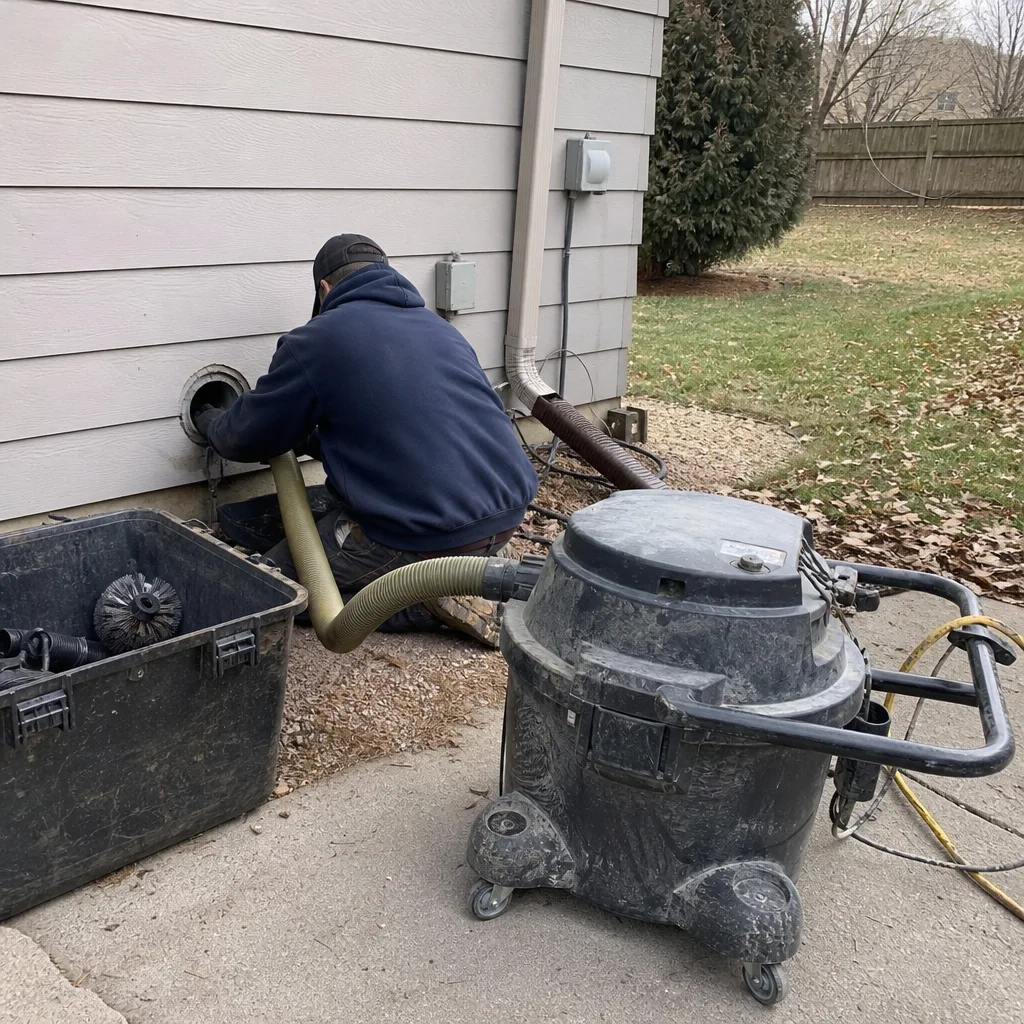 Before
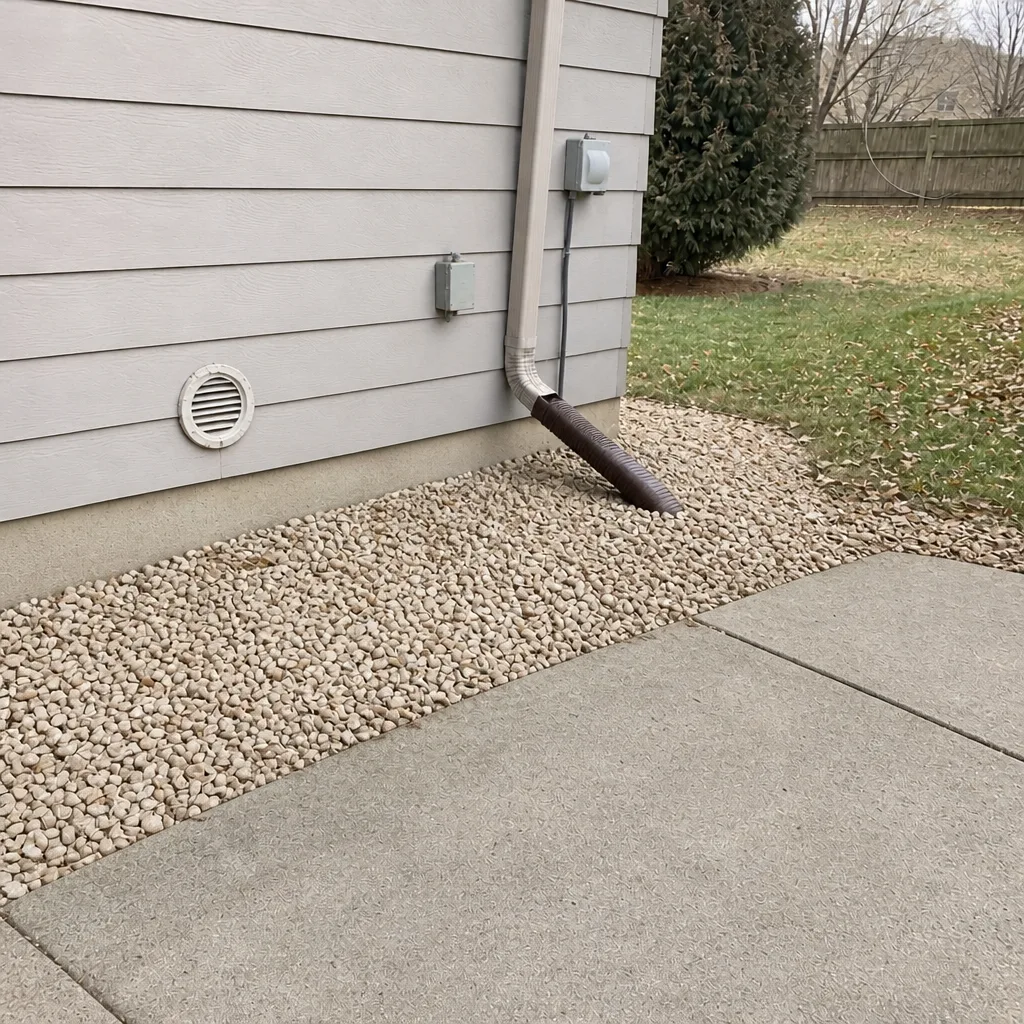 After
When to Call a Professional
Some conditions are a maintenance item; others are an inspection. Call us when you see visible dust at multiple supply registers, when the dryer cycle has lengthened without explanation, when musty smells persist after filter changes, when a renovation has just wrapped and you’re past the dust settling window, when someone in the home has developed allergy symptoms indoors, or when the ducts haven’t been opened in 5 years or more with pets or sensitive occupants in the home. Any of those are a good reason to have the system looked at rather than guessed about. Our Centennial estimates are free, and the inspection is done with equipment and process you can see. Duct Cleaning Centennial offers free estimates in Centennial – call (888) 597-0329. We answer 24/7. Fast dispatch from 7am to 7pm, Sunday through Friday.
Frequently Asked Questions
Every 3 to 5 years for a typical household, and 18 to 24 months if you have pets, an occupant with allergies, a recent renovation, or heavy wildfire smoke exposure. The variables matter more than the calendar, and the interval should be reassessed any time the household changes.
No, but it does reset the clock. The date of your last cleaning is the starting point for the next interval. What determines whether that interval is right is what’s found at the next visit, which is why documenting before-and-after conditions matters.
Every 1 to 3 months for standard 1-inch filters, every 3 to 6 months for a 4- or 5-inch media filter, and monthly during any renovation. A clogged filter recontaminates the return side faster than almost any other factor.
Yes. Colorado smoke events push fine particulate through return ducts while windows are open and the system runs. A heavy smoke season is a reason to inspect, even if the calendar suggests waiting another year.
No. Dryer vents run on lint accumulation, which depends on laundry volume and vent layout rather than a fixed interval. Most households need dryer vent cleaning every 1 to 2 years, and heavy laundry households need it every 12 months.
You should receive before-and-after photos of your own duct runs and air handler, plus a record of what was removed and the equipment used. Our technicians use professional Rotobrush rotary brush systems and Nikro HEPA vacuum rigs on every job, and we leave the photographic record with you. If a quote doesn’t include documentation, that’s the gap worth asking about. Call (888) 597-0329 for a free estimate in Centennial. We answer 24/7. Fast dispatch from 7am to 7pm, Sunday through Friday.
The Bottom Line
The 3-to-5-year rule is a starting point, not a universal schedule. What actually determines your interval is the combination of pets, renovation dust, allergic occupants, and smoke exposure, and that combination changes over a household’s life. Filter changes on a 1-to-3-month cadence keep the cleaning from being wasted, dryer vents run on their own clock at 1 to 2 years, and documentation after each cleaning is what makes the next interval a data point instead of a guess. For a Centennial home, the honest schedule is the one built from those variables, not from a marketing interval. If you’d like us to assess your system, Duct Cleaning Centennial offers free estimates – call (888) 597-0329. We answer 24/7. Fast dispatch from 7am to 7pm, Sunday through Friday.
If you’re mapping out where the ducts, dryer vent, and air handler all connect, start at Duct Cleaning Centennial for the full system view before you schedule anything.
Written by the team at Duct Cleaning Centennial.